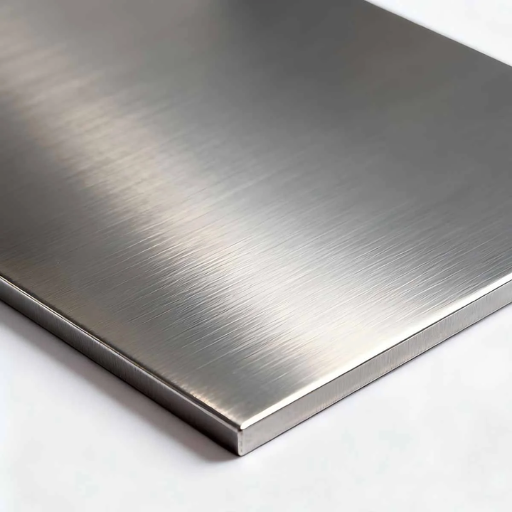
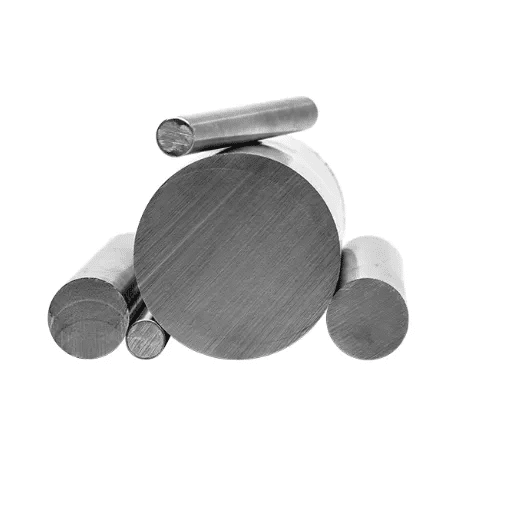
The 304 stainless steel cut to size can either be achieved through laser, shear or slitting methods, and within these methods, there are different working tolerances ranging from ±0.1 mm to as much as ±0.5 mm for different sheet thicknesses. There are also cost, surface, and feasibility factors which help in determining which of the cutting processes in the fabrication will be needed.
Facility fabricators generally come across the purchase costs of different components only after inspection registers non-conforming products. It is impossible to establish maintenance tolerances with a laser using a shearing edge. When using a fiber laser, standard protective film is higher than the focal point of the beam, so it burns and fails to limit the No. 4 brushed finish. Most drawings done in poor nesting may end up consuming 25% or more of the sheet purchased.
There are, however, no particular issues that cannot be avoided given proper specifications during the initial stages.
This guide will make clear which cutting methods work well on 304 sheets, what tolerances are practical to apply, how to get the drawings ready for quotation, and how to preserve the surface finish while cutting and thereafter, how to pack for export. Whether it’s a single prototype component or a batch of 10k components, the details that have been included here will improve the accuracy and positivity of the RFQ that will be submitted and received parts as well.
Key Takeaways
- Laser cutting holds ±0.1 mm tolerance on 304 sheet up to 6 mm thick and handles complex geometry; shearing is faster and cheaper for straight-line cuts but limited to ±0.3–0.5 mm.
- Standard PVC or PE protective film melts during laser cutting — specify laser-grade PE film or remove film before cutting to avoid surface damage.
- Submit DXF or DWG drawings with finished dimensions; the shop programs kerf compensation. Include material grade, finish, thickness, quantity, tolerance class, and edge requirements in every RFQ.
- Standard mill sheets (1219 × 2438 mm and 1500 × 3000 mm) nest most efficiently when part spacing accounts for kerf width and clamping margins.
- Heat number traceability can be maintained on cut pieces if requested before processing — critical for MTR documentation and quality audits.
304 Stainless Steel Cut to Size: Cutting Methods Compared

It is a fact that not all cutting techniques can be applied to every 304 stainless steel cut to size. In most cases, the form, thickness, tolerance and amount of material determine how the 304 stainless steel should be cut whenever custom cutting is required. Listed below is a theoretical overview to each of the four very popular methods of cutting 304 steel plates.
304 Stainless Steel Laser Cutting: Precision for Complex Geometry
Complex profiles, precision, and moderate production quantities are key factors that influence the decision to choose nitrogen as an assist gas for fiber cutting. A typical fiber laser of 3 kW–6 kW is capable of cutting 0.5 mm–12 mm thick 304 sheet at the speeds of 8 – 15 m/min on thin materials, thus reducing the speed to 2–4 m/min for the material of 3 mm. The cut width is usually 0.15-0.25mm and this is where nitrogen assists and keeps the cut face uncontaminated by oxidation.
The heat affected zone is minimal but scale can form on the bottom surface of the material as the thickness increases. Laser cut edges on weld or bendable parts are generally clean with little or no necessity for deburring. A fact quite often ignored by some customers: the edges of 304 work harden, and this additional work hardening brings about increased local hardness and a thin ring of magnetism around the edges. It is perfectly natural as it has nothing to do with the quality of the materials.
It should be mentioned that just plain 304 stainless steel cut to size is not the most efficient process for rectangular laser processing, and it facilitates the speedy changes in work setups for more complicated shapes, fine perforations, and sharp curves.
Shearing (Guillotine Cutting) — Speed for Straight Lines
Guillotine shearing uses a straight blade to punch through the sheet with a blade clearance set to 6–10% of material thickness for austenitic stainless steels. It is fast, economical, and ideal for cutting rectangles, strips, and square blanks from 0.3 mm to 6 mm thick 304 sheet.
Typically, this sliding scale tolerance is +/–0.3 mm all the way up to +/–0.5 mm, yet it is normally accepted because the edge of the cut is sharper at the top and softer at the bottom. This edge is perfectly alright for structural purposes or components that are going to be concealed in the end products. However, it is not very pleasing for doors or other equipment where the edges are specific and clean, which entails there is no room for removal, and shearing will require aftermarket removal or finishing for this purpose.
When Marco (working as a fabrication buyer in Rotterdam) ordered five hundred square or rectangular panels for some air conditioners, he specifically asked for bleeding cut sheets because it provided an assembly clearance which was within +/–0.5mm. Two days had passed now before the job was complete, which was far less than what a laser guy had quoted them i.e. five days and a specific part was almost 40% less.
Stainless Steel Slitting Services: Coil-to-Strip Processing
Slitting involves employing rotary knives to unroll a parent coil, and subsequently trimming the material lengthwise to produce smaller coils. When it comes to the 304 sheet that is offered in the form of coils, the smallest width of the slit strip is 10 mm, while the largest is the full width of the coil, and these are available from 0.3 mm through to 3 mm in thickness.
The permissible deviation in width is mostly 0.1 mm to 0.2 mm in either direction due to the state of the slitter head and the width of the strip. As a result, the edges are smooth without any of the thick and coarse burr created by the shearing process, making it ideal for roll-forming, stamping, and welding operations.
The minimum order for such 304 stainless steel cut-to-size slitting jobs is higher compared to cutting sheets because one needs an entire parent coil. In the event that your application requires a strip that is constant rather than fitted blanks, then cutting is rarely an option.
Waterjet and Plasma — Niche Applications
For abrasive waterjet cutting, components are cut by means of an abrasive jet without thermal action. Since there is no heat affected zone and distortion is eliminated, the process is slow and expensive compared to laser cutting. Waterjet is used for 304 sheet only when there is a need to avoid the heat-affected zone, for example, when the part is cut, and the annealed hardness near the edge is to be preserved precisely.
Meanwhile, plasma is an extremely fast and low-cost technology when working with thick sections, but when applied to 304 sheet below 6mm, it forms a voluminous HAZ, large amounts of dross and causes distortion. Only in cases where costs are paramount and edge quality is not important will plasma cutting be considered by most precision sheet metal fabricators on thin 304 stainless steel material.
Tolerance Guide: What to Expect from Each Method

Specifying the wrong tolerance for the wrong method is one of the most common mistakes in 304 stainless steel cut to size procurement. The table below summarizes realistic capabilities for 304 sheet.
| Method | Thickness Range | Linear Tolerance | Edge Condition | Best Application |
|---|---|---|---|---|
| Fiber laser | 0.5–12 mm | ±0.1 mm (≤3 mm) / ±0.2 mm (>3 mm) | Clean, slight dross underside | Complex shapes, tight fits, low-medium volume |
| Guillotine shear | 0.3–6 mm | ±0.3–0.5 mm | Rolled top, shear burr bottom | Rectangles, strips, high-volume blanks |
| Slitting | 0.3–3 mm (coil) | ±0.1–0.2 mm width | Slightly rounded, low burr | Continuous strip, roll-forming, stamping |
| Waterjet | 1–50 mm | ±0.1–0.2 mm | Satin finish, no HAZ | Heat-sensitive parts, thick material |
| Plasma | 3–50 mm | ±0.5–1.0 mm | Rough, heavy dross, wide HAZ | Thick plate where speed matters more than edge quality |
For general fabrication, ISO 2768-m (medium) is a practical default for laser-cut parts, while ISO 2768-c (coarse) is appropriate for sheared blanks. If your drawing references ASTM A480 dimensional tolerances, remember that those govern mill thickness and flatness — not cut-part geometry. Cut tolerances must be specified separately on your drawing or RFQ.
On a visit to Singapore’s fabricator, a quality inspector turned away a batch of sheared components as the cutting was inaccurate by ±0.1 mm. This taught the fabricator a hard lesson; it’s not that easy to shear and cut as accurately as laser cutting. The components were, however, fully serviceable at a ±0.5 mm tolerance, but their drawing claimed a nominal ±0.1 mm with no regard to the process. So the stock caution has been redesigned to be laser cut instead at twice the price of the previous estimation.
How to Submit Drawings for Cut-to-Size Quotation
A complete RFQ eliminates back-and-forth and reduces quoting time from days to hours. Here is what every 304 stainless steel cut to size request should include.
File Formats and Drawing Rules
Please save your vector file using either the DXF, DWG or STEP file extension. Ensure all drawings are full-sized completed profiles and do not take into account the kerf width in your drawings as this will not be necessary. The system accommodates the kerf width by automatically offsetting the nested parts to suit the nozzle and material thickness. If you take the decision to do it manually, then the parts that will arrive will be smaller in sheet metal parts.
Ensure the rules on minimum feature size for laser cutting are adhered to, for instance, the diameter of a drilled hole shall not be less than 0.5 × the thickness of the material, and the internal corner radius shall not be less than 0.5 × the thickness, to avoid melt and deformation. It is impossible to cut slots that are smaller than the width of the kerf.
What to Include in Your RFQ
- Material specification: Grade 304, finish (2B, BA, No. 4, No. 8), and exact thickness in mm or gauge
- Quantity: Per-order quantity and annual volume if applicable
- Tolerance class: Reference ISO 2768 or specify bilateral tolerances on the drawing
- Edge requirements: As-cut, deburred, edge-rounded (specify radius), or polished
- Protective film: Retain standard film, supply laser-grade film, or remove before cutting
- Packaging: Domestic pallet or export seaworthy packing with VCI and moisture barrier
- Documentation: Whether heat number traceability and MTR are required for each part or per batch
If you’re unsure which cutting method to specify, include a note about the end use. A competent processor will recommend laser, shear, or slit based on your tolerance, edge, and volume requirements.
Protective Film and Edge Finishing

304 sheet is frequently dispatched from the mill with a surface mark protecting polyethylene (PE) or PVC film adhered onto its surface to prevent scratches and damage during transport. If you request 304 stainless steel sheet cut by laser, and this film ends up being the wrong kind, it causes issues in the process of cutting.
Laser-Grade Polyolefin versus Normal Films
At proximity to a fiber laser, the ordinary PE film degrades while exposed to intense heat that has a melting point of polyvinyl chloride (PVC) in a similar manner, glue hovers formed on brushed or polished surfaces. The removal of solidified film sometimes causes more distress than the cutting of the No. 4 finish.
Laser-grade PE film is designed to cut and withstand high temperatures without melting or outgassing. If the look of the parts is to be preserved, either stipulate laser film coating on the raw material, or remove ordinary film and then re-treat post cutting.
Edge Finishing Options
- As-cut: The raw edge from laser or shear. Acceptable for hidden structural parts.
- Deburring: Mechanical brushing or tumbling removes sharp edges and loose dross. Recommended for handled parts and weld prep.
- Edge rounding: A controlled radius of 0.5–2 mm applied to all edges. Required for many food-grade and pharmaceutical applications to eliminate crevices where bacteria collect.
- Edge polishing: Mirror polishing on visible edges for architectural or high-end appliance panels.
For more guidance on surface finish selection and protection, see our 304 stainless steel surface finish guide, which explains the differences between 2B, BA, No. 4, and mirror finishes in detail.
Standard Sizes, Nesting, and Material Yield
Understanding standard mill sheet sizes helps you design custom cut 304 stainless steel parts that nest efficiently and minimize scrap.
Standard Mill Sheet Dimensions
The most common stock sizes for cold-rolled 304 sheet are:
- 1219 × 2438 mm (4 × 8 ft)
- 1219 × 3048 mm (4 × 10 ft)
- 1500 × 3000 mm
- 1500 × 6000 mm
Thickness ranges from 0.3 mm to 6.0 mm for cold-rolled coil, with hot-rolled plate extending thicker. If your drawing calls for a thickness or size outside standard stock, lead times extend because the mill must produce a custom rolling schedule.
For a full breakdown of gauge-to-millimeter conversions and standard thickness availability, refer to our 304 stainless steel sheet thickness chart.
Nesting Efficiency
The percentage of surface area of the material converted into the components is inside 75% to 85% for to gear, machining different geometric forms. Basic rectangular shapes could result in above 90% usage. Sometimes irregular shapes, open in the center regions, can cause the percentage of nesting effectiveness to be less than 70%.
Some time ago, a production manager from Germany, in charge of an appliance-related production line, was able to create a new nest for around twelve of the different brackets on a single 1500 × 3000 mm sheet. As the option to rotate six of the components was used, the filling ratio was increased from 68% up to 81%. Given an order for laser cutting of 200 sheets, the efficiency increase of 13% equated to the reduction of purchasing of the ordered 304 stainless steel cut to size lengths from two hundred sheets down to one hundred and eighty-two. Less material cost saved far more than programming the software.
Key nesting tips:
- Maintain part-to-part spacing of at least 1.5× kerf width to prevent heat distortion
- Leave a 10–15 mm clamping margin on sheet edges
- Group identical parts on the same sheet to reduce piercing time
- Specify grain direction if cosmetic appearance matters — 304 sheet has a rolling direction that affects reflectivity on polished finishes
304 Stainless Steel Cut to Size Pricing Guide

304 stainless steel cut to size pricing combines material cost, processing cost, and yield. Understanding the breakdown helps you optimize your specification before submitting an RFQ.
Method Cost Hierarchy
For the same thickness and geometry complexity, the typical cost ranking from lowest to highest is:
- Shearing — Lowest setup, fastest cycle time, minimal programming
- Slitting — Efficient for volume strip, but requires coil stock and higher MOQ
- Laser cutting — Moderate setup, versatile, cost-effective for complex parts at low-to-medium volume
- Waterjet — Slow cutting speed drives high hourly cost; justified only for specialty requirements
Volume Breaks
- Prototype (1–10 parts): Laser is usually the only practical method. Setup cost is amortized over a small quantity, so per-part cost is high.
- Small batch (11–100 parts): Laser or shear, depending on geometry. Setup is spread across more parts, bringing per-piece cost down.
- Production (100+ parts): Shearing wins for rectangles. Slitting wins for strip. Laser remains competitive for complex shapes at volume because programming cost becomes negligible.
Material Waste Factor
Scrap from skeletons, piercings, and clamp margins is typically 15–25% of sheet area. Buyers who optimize nesting before submitting a drawing can reduce this waste and receive lower quotations. For the current material pricing context, see our 304 stainless steel sheet pricing guide.
Lead Times, MOQ, and Packaging for Export
When you order 304 stainless steel cut to size, standard lead times vary by cutting method:
| Method | Typical Lead Time | Notes |
|---|---|---|
| Shearing | 1–3 days | Fastest; minimal setup |
| Laser cutting | 3–7 days | Depends on nesting queue and complexity |
| Slitting | 5–10 days | Requires coil preparation and setup |
Expedited turnaround is often available for prototype quantities at a premium.
Minimum Order Quantities
- Shearing: One sheet minimum. Practical for any quantity.
- Laser cutting: One piece minimum. Ideal for prototypes and short runs.
- Slitting: One to two tons minimum, depending on coil width and gauge.
Export Packaging
For ocean freight, 304 sheet requires protection against salt-air exposure and condensation. Standard export packing includes:
- PE protective film retained on the surface
- VCI (volatile corrosion inhibitor) paper interleaved between sheets
- Wooden pallet with ISPM-15 certification for international customs
- Steel strapping and edge protectors
- Moisture-barrier wrapping or desiccant for long transits
Heat number traceability can be maintained on cut pieces if requested before processing. Each pallet or bundle is labeled with the original heat number, allowing your quality team to link every part back to its mill test report. This is essential for ASME-code projects and aerospace supply chains.
The choice between cold-rolled and hot-rolled 304 also affects cut quality and flatness. For a detailed comparison of processing characteristics, see our cold rolled vs hot rolled 304 guide.
Frequently Asked Questions
How precise can I ‘demand’ in case of laser cutting a 304 stainless steel sheet?
We can state ±0,1 mm for sections thin at the thickness 3 mm and 304 thin stainless steel cut-to-size machines provide ±0,2 mm when thickened to 3 to 6 mm. These figures may slightly increase for these portions or for the high cut-rate portions. By all means, include the interpreting tolerance in the context of your sketch so that the stores can blend and cut the material as it is required efficiently.
Can I keep the plastic layer covering my drawing, and cut it with the laser?
Yes, only if it is PE film specially made for lasers. Any other kind of PE film such as the standard PVC or PE which is of low temperature, will melt and stick to the surface which has either been polished or brushed and such residue will be hard to remove. If you cannot figure out the type of film by yourself, ask your vendor to remove it before starting the cutting process.
Is it more effective to shear or laser cut for the straight lines?
Almost every rectangle and strip shearing routine is more cost-effective. With the addition of fixed blade adjustment facilities, the shear’s cycle ดีรวดเร็ว, and no associated programming costs. Shearing becomes more efficient than the laser when the geometry of the part begins to employ some angles, bends, and internally creased elements.
Do your cut pieces possess a heat number?
There are possibilities where it can be done; it is clearly specified before processing. Because the mill supplied raw material – sheet/coil with related heat numbers will be provided. This eliminates any issue of the finished part cutting up, due to every single bundle/part being marked with a proper number.
When is the least volume of a 304 size cut required?
However, for 304 stainless steel cut to size, it is effective from one sheet up to the next. In the case of coil-based stainless steel slitting services, there are basic minimums in terms of one to two tons. Please provide your requirements to our team and we will resurrect a cost-saving model for you.
Are laser-cut surfaces more likely to rust?
Provided there is a correct nitrogen gas utilization around the 304 edges, the chromium oxide film will still form to protect the material against corrosion without alteration in use. Where exposure of the cut edge to high levels of chlorides is expected, or some form of long-term wet service is prevalent, such an edge can be restored through passivation or electropolishing after cutting to increase corrosion resistance.
What is the appropriate file format to submit for quotation purposes?
Generally, the preferred file format is either DXF or DWG, although STEP files can also be provided. Provide the final dimensions, as the concern for kerf is factored in at the shop. Be sure to attach a PDF drawing along with the tolerance and relevant notes in case your DXF does not support annotation.
They are a white or light gray material, very stiff, but quite brittle. Polystyrenes soften at low temperatures.
They are often avoided due to health and environmental concerns associated with their use. PVC material can be stamped with paper designs or patterns. Moldings may be made from any material which can be reliably cut, without danger of splintering, cracking or producing of dust that will be excessively dispersed.
Conclusion
Finding the most suitable method of cutting 304 stainless steel to size is dependent on three factors: tolerance requirement, geometry of the part, and order volume. Precision and flexibility are achieved when using lasers for cutting, especially where intricate pieces are involved. When it comes to cutting straight-line blanks, shearing is a cheap and quick process. A slit in the working surface is advisable when continuous production of strips is desirable.
Make use of whatever method fits your outlines, and every piece of order will make its way into the quality control sys q u i t e, free of any unexpected production errors and additional corrections in the work.
In fact, this is the precise reason why, before you send another RFQ, you must rethink how your drawing is handled – in terms of nest efficiency, whether the protective foil is suitable for the cutting technique you have chosen, and explicitly state the tolerance and edge requirements. Getting these in the documents takes a few moments. On the contrary, repairs take hours or sometimes even days when these aspects are not catered to.
In case you are looking for sourcing 304 stainless steel cut to size, send your architectural drawing to the relevant department. We shall do a detailed check of your provided details, suggest the best way to cut out the shape, and get back to you within a day with the heat number and material certification, inclusive of export boxes to match your needs.
For a broader view of 304 sheet specifications, grades, and sourcing guidance, see our complete 304 stainless steel sheet guide.