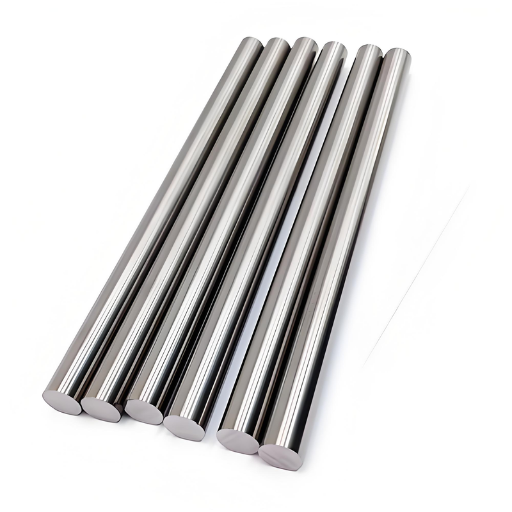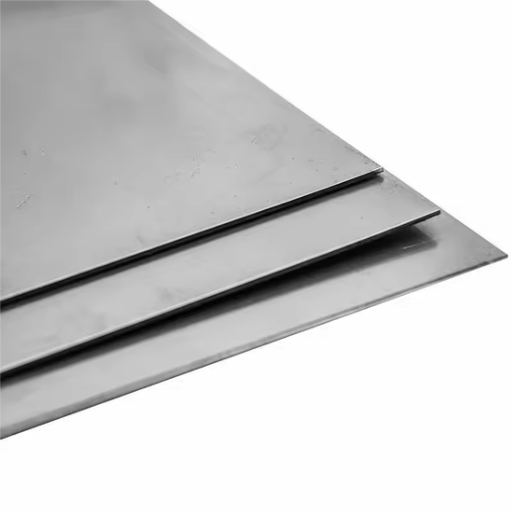
Inconel 600 is used where a nickel-chromium alloy has to hold oxidation resistance, chloride stress-corrosion resistance and tolerance for hot caustic at the same time. That combination put it into furnace retorts, muffles, thermocouple sheaths, fatty-acid and sodium-sulfide process equipment, and, for two decades, nuclear steam generators. Those are the Inconel 600 applications that survive a check against the mill bulletin. The industry lists are easy to copy. The conditions that make each application safe are not, and that is where most 600 specifications go wrong.
Picture a maintenance engineer at a European heat-treat shop. Call her Ana. She replaces a set of 600 radiant-tube hangers every 14 months, while a plant two towns over runs the same alloy for four years. The grade is identical. The furnace atmosphere is not: hers carries sulfur from a residual fuel oil, and alloy 600 is subject to sulfidation in high-temperature sulfur-bearing gases. The alloy was correct. The application was not.
This guide takes each documented application, states the service condition, names the property that carries it, and then gives the limit that the mill bulletin writes down. Every temperature and corrosion statement traces to Special Metals SMC-027, to the U.S. Nuclear Regulatory Commission, or to a named hardware source. Where a popular claim has no evidence behind it, the claim is left out and the gap is named.
If you are matching a 600 grade to a furnace or chemical duty and want the condition written onto the certificate, our technical team reviews the drawing and the service condition before quoting. The Inconel 600 tube page shows the form and specification combinations we supply, and the properties page carries the full composition and the room-temperature baseline.
Key Takeaways
- Inconel 600 earns its place where high nickel, moderate chromium and no molybdenum meet: chloride stress-corrosion immunity, oxidation resistance to about 1,095°C (2,000°F), and tolerance for alkaline media. It is not a seawater or general acid alloy.
- SMC-027 names the applications directly: fatty-acid and sodium-sulfide chemical equipment, furnace retorts, boxes, muffles, belts and trays, nitriding containers, lockwire, exhaust liners, turbine seals, CRT spiders, thyratron grids, tube support members and springs.
- Hot caustic is a real 600 application only with full stress relief at 900°C (1,650°F) for 1 hour or 790°C (1,450°F) for 4 hours, with operating stress kept low.
- Nuclear steam generators are the alloy’s cautionary history. Mill-annealed 600 tubing cracked, thermally treated 600 cracked less, and new generators moved to 690.
- “Inconel 600” on a purchase order is an incomplete line. Form, condition, specification and certificate decide whether the part survives.
What Inconel 600 Is Actually Good At
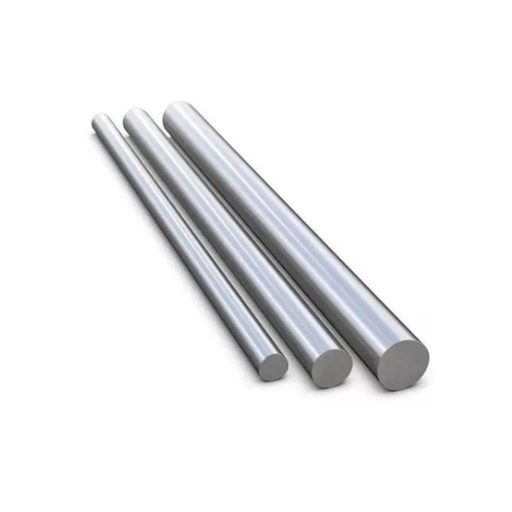
Inconel 600 is a solid-solution nickel-chromium-iron alloy with 72% minimum nickel plus cobalt, 14-17% chromium and 6-10% iron. Its UNS number is N06600 and its Werkstoff number is 2.4816. It has no deliberate aluminum, titanium or niobium addition, so it cannot be aged, and it is not precipitation-hardenable.
Three properties explain almost every application on the list.
Nickel at 72% minimum. SMC-027 states that at this nickel level the alloy is virtually immune to chloride-ion stress-corrosion cracking. That is the property that separates 600 from the 300-series stainless steels in wet chloride service, and it is why the alloy appears in pulp liquor, chemical process equipment and instrument hardware.
Chromium at 14-17%. Enough chromium to form a protective oxide at temperature without the higher content that would make the alloy harder to weld and form. SMC-027 demonstrates the oxidation resistance in a cyclic air test at 1,800°F (980°C), with 15 minutes of heating and 5 minutes of cooling per cycle.
No molybdenum. The absence that keeps 600 weldable and affordable also removes its pitting and crevice resistance in chlorides. Alloy 600 resists chloride stress-corrosion cracking. It does not resist chloride pitting. That single distinction is behind most of the bad 600 advice published online.
Strength works differently from most nickel superalloys. Cold work is the only strengthening mechanism. SMC-027 gives the range: annealed yield of 172-345 MPa (25,000-50,000 psi), and heavily cold-worked tensile strength up to 1,517 MPa (220,000 psi). A 600 spring is a cold-worked spring, never an aged one.
The three properties that decide the application
| Property | Documented value | Application it enables |
|---|---|---|
| Chloride-ion SCC immunity | 72% minimum nickel | Pulp and paper liquor equipment, chemical vessels, instrument sheaths |
| Oxidation resistance | Demonstrated at 980°C (1,800°F), cyclic | Retorts, muffles, belts, radiant hardware, thermocouple sheaths |
| Alkaline tolerance | High nickel content | Caustic handling, with the stress-relief condition attached |
| Cold-work strengthening | Up to 1,517 MPa (220,000 psi) tensile | Springs, wire, fasteners, lockwire |
What the alloy does not do
SMC-027 is unusually direct about the negatives, and they matter more than the positives when you are choosing.
The alloy has only “fair resistance to strongly oxidizing acid solutions.” Dissolved air alone does not passivate it against air-saturated mineral acids or some concentrated organic acids. It resists sulfur compounds at moderate temperatures and is subject to sulfidation above that. And it carries very little load at the top of its oxidation range: 1,095°C (2,000°F) is a statement about oxide stability, not about creep strength.
Those three sentences remove marine service, general acid service and high-temperature structural service from the application list. Several supplier pages claim all three anyway. They are wrong, and the failure shows up in the field.
Inconel 600 Applications in Furnace and Heat-Treating Hardware
This is the largest verified application family, and the one where the alloy’s limits bite hardest. SMC-027 lists retorts, boxes, muffles, wire belts and roller hearths, plus heat-treating baskets and trays.
The duty is cyclic oxidation with a mechanical load. A muffle sees furnace atmosphere on both faces and holds a workload. A wire belt sees thermal cycling every few minutes and tension all the time. A tray sees quench cycles and the weight of the parts stacked on it.
Retorts, muffles, belts and trays
Why 600 works here: the chromium oxide scale survives thermal cycling, the austenitic structure does not embrittle through a phase change, and the alloy has enough creep strength at 800-1,000°C (1,470-1,830°F) to hold a modest load.
Why it fails: most furnace failures are not oxidation. They are sulfur attack, thermal fatigue at a weld, or a load the designer took from the oxidation temperature.
Two fabrication rules come straight out of SMC-027 and rarely appear on supplier pages. First, molybdenum disulfide assembly lubricant must not be used on parts that will exceed 427°C (800°F), because the sulfur attacks the alloy. Second, welding procedure and filler selection matter as much as the base metal once the part is hot. The Inconel 600 welding guide covers filler and procedure, and the heat treatment of nickel-based alloys covers the conditions to specify after welding.
Nitriding containers: the one application SMC-027 calls standard
Among all the uses in the bulletin, one is called out as the standard choice. SMC-027 says alloy 600 is the standard material for nitriding containers because of its resistance to nitrogen at high temperatures.
That is a narrow, specific, defensible claim, and it is worth more to a buyer than a list of fifteen industries. If you make nitriding fixtures, baskets or retort liners, 600 is the reference material. The question is not which alloy. It is which form, which thickness and which condition.
The sulfidation wall and the MoS2 rule
SMC-027 states that 600 resists sulfur compounds at moderate temperatures but is subject to sulfidation in high-temperature sulfur-bearing environments. A furnace fired on fuel with residual sulfur, or a process atmosphere containing hydrogen sulfide, sits on the wrong side of that line.
This is the wall Ana hit in the opening. The alloy was right for the temperature and wrong for the sulfur. When a furnace atmosphere carries sulfur, the correct move is to drop the temperature, change the atmosphere, or change the alloy. Choosing a higher-nickel grade does not solve it, because the mechanism is not chloride stress corrosion.
Where the furnace runs hotter than 600’s creep strength allows, the usual move is 601, which carries more chromium and a deliberate aluminum addition for oxidation and creep. The Inconel 600 vs 601 comparison sets out the crossover point.
Inconel 600 Thermocouple Sheaths and Instrumentation
Inconel 600 is one of the standard sheath materials for mineral-insulated thermocouples, resistance thermometers and heating elements. It is the sheath you find on Type J and Type K probes in furnaces, in ovens, and in washdown areas where a stainless sheath would crack.
The reasons are practical. The alloy oxidizes slowly at temperature. It is ductile enough to be drawn and swaged into thin-wall tube and to be bent without cracking. And it is immune to chloride stress-corrosion cracking in the wet environments where 304 and 316 sheaths fail.
The evidence here is commercial hardware rather than a mill bulletin. SMC-027 does not mention thermocouple sheaths, and no ASTM specification mandates a 600 sheath. What exists is a catalog convention: a Type J probe with an Inconel 600 sheath listed by ITM Instruments is rated to 1,300°F (720°C), and mineral-insulated cable makers list 600-sheathed cable for the 0-1,100°C range. Those are assembly ratings from instrument suppliers, and they should be read that way.
What the rating depends on
Four things set the life of a 600-sheathed thermocouple, and the alloy is only one of them.
The thermocouple type. A Type K junction starts drifting well below the sheath limit. The wire pair usually expires first.
Sheath diameter and wall. A thin wall responds faster and lasts less. A 6 mm sheath with a 0.5 mm wall is a different product from a 3 mm sheath with a 0.3 mm wall, even at the same grade.
The atmosphere. This is where the alloy’s limits return. A 600 sheath in a clean oxidizing furnace runs for years. The same sheath in a reducing, sulfur-bearing atmosphere fails in months, and the post-mortem looks like a thermocouple failure rather than a materials failure.
The junction design. Grounded, ungrounded and exposed junctions change the response time and the corrosion exposure. None of them change the alloy limit.
The relevant product form is Inconel 600 tube in the sheath dimension, and the relevant purchase instruction is the wall thickness plus the test, since a pinhole in a sheath ends the sensor’s life regardless of grade.
Springs and instrument parts
SMC-027 groups springs with tube support members, thyratron grids and cathode-ray tube spiders under electronic applications. The CRT spiders are history. The springs are not.
Cold-drawn 600 in spring temper is a standard instrument and high-temperature spring material. The cold work is the strength mechanism, so the specification that matters is temper, not grade alone. A spring ordered as “Inconel 600, annealed” is a soft spring, and it will not hold its load.
Inconel 600 Applications in Chemical Processing: Fatty Acids, Sodium Sulfide and Pulp
SMC-027 names the chemical duties precisely, which is rare in a mill bulletin. Three groups appear: heaters, stills, bubble towers and condensers for fatty acids; evaporator tubes, tube sheets and flaking trays for sodium sulfide; and equipment handling abietic acid in paper pulp manufacture.
The equipment the bulletin names
Fatty acid processing runs at 200-300°C with organic acids that attack stainless steel, in a stream that carries chlorides from the feedstock and the process water. High nickel resists the organic acid and the chloride stress-corrosion immunity handles the chlorides. That combination is why 600 appears in stills and condensers rather than a 316L shell.
Sodium sulfide is alkaline and sulfur-bearing. Evaporator tubes, tube sheets and flaking trays in 600 work because the alloy tolerates the alkali, and because the process temperature stays inside the sulfidation window. Push the same equipment hotter and the sulfur chemistry changes sides.
Abietic acid is the rosin acid family in pulp and paper. Mills run 600 in digesters and liquor handling because stainless cracks in the chloride-bearing, mildly acidic liquor, and the failure is stress corrosion rather than uniform corrosion.
Titanium dioxide, the chloride route
The chloride process makes titanium dioxide by chlorinating rutile or slag and then oxidizing titanium tetrachloride. The chlorinator and the aluminum chloride generator sit in hot chlorine and hydrogen chloride, which is hostile to almost every stainless grade.
One published supplier case describes an AlCl3 generator built from 12 mm ASTM B168 plate, ASTM B167 pipe and B564 flanges in alloy 600 for a Thai pigment producer. That case is worth reading for the material logic: nickel handles the reducing chloride environment that destroys stainless, and the chromium content gives 600 enough oxidation resistance for the parts of the train that see air ingress.
Read it as an industry example, not as a standard. One plant’s materials selection is evidence that 600 can work in chloride-route TiO2 equipment. It is not evidence that 600 is the specified choice across the process, and it should not be quoted that way.
Where 600 is the wrong chemical alloy
The negative list is shorter than the positive one and more useful.
- Wet chlorine or hypochlorite with pitting risk. Alloy 625 or C-276. The molybdenum in those grades is the reason.
- Seawater or brackish cooling. 625 or a 6Mo superaustenitic. Alloy 600 has no molybdenum, so pitting and crevice attack start at the waterline.
- Strongly oxidizing acids. SMC-027 gives 600 only fair resistance. For nitric acid service, look at the low-carbon austenitic grades; for sulfuric, at the 200-series nickel alloys.
- High-temperature sulfur. The sulfidation limit applies to chemical equipment exactly as it applies to furnaces.
The pattern: 600 is a chloride-SCC and alkaline alloy, not a general corrosion alloy. Get that wrong and the failure is pitting or acid attack, not the stress corrosion the alloy was bought to prevent.
Inconel 600 in Caustic and Chlor-Alkali Service
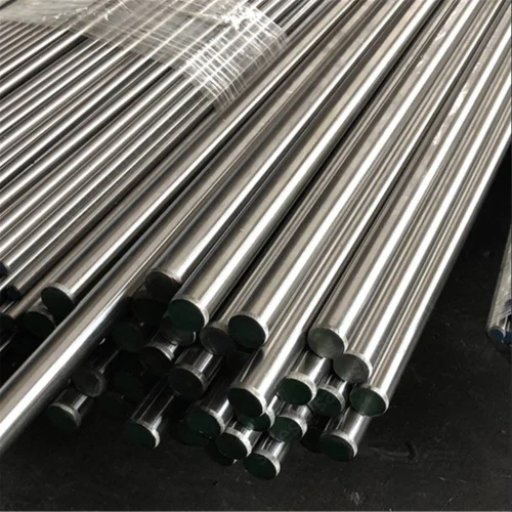
SMC-027 is explicit: alloy 600 is subject to stress-corrosion cracking in high-temperature, high-strength caustic alkalies.
That sentence is not a prohibition. It is an instruction. The bulletin continues: material for such service should be fully stress-relieved at 1,650°F for 1 hour or 1,450°F for 4 hours (900°C for 1 hour or 790°C for 4 hours) before use, and operating stresses should be kept to a minimum.
Nickel is what makes 600 broadly resistant to alkaline solutions in the first place. Caustic SCC is the failure mode that survives that resistance, because concentrated caustic at temperature attacks grain boundaries in a stressed structure. The stress relief removes the residual stress that drives the crack, and the low operating stress keeps the service stress below the threshold.
The 900°C and 790°C cycles
Both cycles work. The choice depends on section size and on what the part can tolerate in distortion.
- 900°C (1,650°F) for 1 hour, then slow cool.
- 790°C (1,450°F) for 4 hours, then slow cool.
Neither is an anneal in the metallurgical sense, although both are hot enough to soften cold-worked 600. The Inconel 600 heat treatment article covers the carbide window between 540°C and 760°C (1,000°F and 1,400°F) and explains why a generic stress relief in that band is the wrong cycle for caustic service.
The procurement consequence is the part that gets missed. “Annealed” on a mill certificate does not satisfy this requirement. The certificate has to show the stress-relief cycle, the hold time and the cooling. A caustic line built from mill-annealed stock is the most common version of this mistake, and it is invisible until the first inspection.
If your caustic duty needs the stress-relief cycle on the certificate, send the specification and we will confirm what the mill test report will show before the heat is rolled.
Mercury, the hidden second condition
SMC-027 adds a second warning in the same passage. In the presence of mercury at elevated temperature, stress-corrosion cracking may occur, and the caustic recommendations apply.
Mercury shows up in chlor-alkali cells that still use the mercury process, in some gas processing, and in recycled scrap contamination that nobody ordered. If mercury is anywhere in the process stream, the full stress relief is mandatory and the operating stress rule matters more, not less.
Inconel 600 in Nuclear Service: Why It Was the Standard and Then Wasn’t
SMC-027 describes 600 as a standard material of construction for nuclear reactors, notes its excellent resistance to high-purity water, and gives the 600T designation for the thermally treated nuclear grade. The alloy is covered by ASME Section III for nuclear vessels and by Section VIII for pressure vessels, with allowable stresses in Section II Part D and Section I coverage through Code Case 1827.
That is the mill’s framing, and it was accurate for the generation of plants built in the 1960s and 1970s.
Steam generator cracking and the move to 690
The U.S. Nuclear Regulatory Commission’s steam generator fact sheet states the other half. “Some tubes, mostly mill-annealed Alloy 600, have cracked from a combination of stress and corrosion.” It adds that a small percentage of thermally treated 600 tubes also cracked. Replacement steam generators built after 1989 have primarily used thermally treated alloy 690, and the same fact sheet puts 690 tubing in 73% of U.S. pressurized water reactors.
The mechanism was primary-water stress-corrosion cracking, driven by the combination of residual stress, a corrosive primary-side environment and a susceptible grain-boundary microstructure. Thermal treatment at about 704°C (1,300°F) for 15 hours precipitates grain-boundary carbides and improves resistance, which is why 600T replaced mill-annealed 600. It improves resistance. It does not eliminate the mechanism, which is why the industry moved to 690 and its roughly 30% chromium.
What non-nuclear buyers should take from it
Three lessons transfer to every other application on this page.
- Condition is part of the specification. Mill-annealed and thermally treated 600 are the same grade and behave differently in aggressive service. A grade name alone does not define what you bought.
- A standard material is a snapshot, not a permanent answer. 600 was the standard nuclear steam generator alloy. It is not today. Specifications that were correct for a 1970 plant are not automatically correct for a new one.
- When the mechanism is specific and aggressive, chromium is the lever. If a service looks like primary-water SCC, the answer is a higher-chromium alloy, not a different heat treatment of 600.
None of this makes 600 a bad alloy in nuclear-adjacent work. It makes 600 a grade whose nuclear reputation has to be stated accurately, with the history attached.
Inconel 600 in Aerospace, Electronics and Springs
SMC-027 lists lockwire, exhaust liners and turbine seals under aeronautical applications, and cathode-ray tube spiders, thyratron grids, tube support members and springs under electronic applications.
Lockwire, exhaust liners, turbine seals
The property behind all three is oxidation resistance plus thermal fatigue resistance at moderate stress, in a form the shop can make: wire, sheet and strip. Modern engines use 625, 718 and X-750 where strength at temperature is the driver. Alloy 600 survives in lower-stress hot parts and in lockwire, where ductility, oxidation resistance and consistent temper are the actual requirements.
CRT spiders, thyratron grids, tube supports, springs
The electronics list is mostly history. Cathode-ray tubes are gone, and thyratrons are a niche. What survives is the part of the list that was always about mechanical function in a hot, clean environment: tube support members, instrument springs and small formed parts.
For those, the purchase specification is temper and surface finish. A spring temper strip and an annealed strip are the same alloy and different products.
Where Inconel 600 Applications Change: 601, 625 and 690
The application list only makes sense next to the alloys that displace 600 at its limits.
| Grade | What it adds | Choose it when |
|---|---|---|
| 601 | About 23% chromium plus aluminum | Furnace parts hotter than 600’s creep strength allows; oxidation-driven failures |
| 625 | Molybdenum and niobium | Wet chlorine, hypochlorite, seawater, pitting risk, higher strength at temperature |
| 690 | About 30% chromium | Nuclear steam generator tubing, primary-water SCC, nitric acid service |
601 is the furnace answer. The aluminum addition builds a more tenacious oxide, and the higher chromium raises the ceiling for cyclic oxidation and creep. If a 600 retort failed from oxidation rather than sulfur, 601 is the first thing to evaluate.
625 is the chloride answer. Molybdenum gives it the pitting and crevice resistance that 600 lacks, and niobium adds strength through a different mechanism. If the service involves seawater, wet chlorine or chloride pitting, 625 is the grade and 600 is the mistake.
690 is the high-chromium answer, and specifically the nuclear answer. Its chromium content is what makes it resistant to primary-water SCC where 600 was not. Outside nuclear service, it also appears in nitric acid and other strongly oxidizing environments where 600’s “fair” resistance is not enough.
Specifying Inconel 600 for an Application
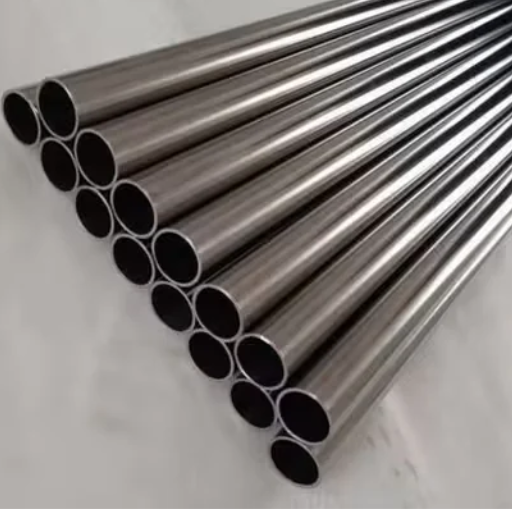
The grade name is not a specification. SMC-027 lists the standard coverage by product form, and the list is the fastest way to find out whether your purchase order is complete.
| Form | Standards |
|---|---|
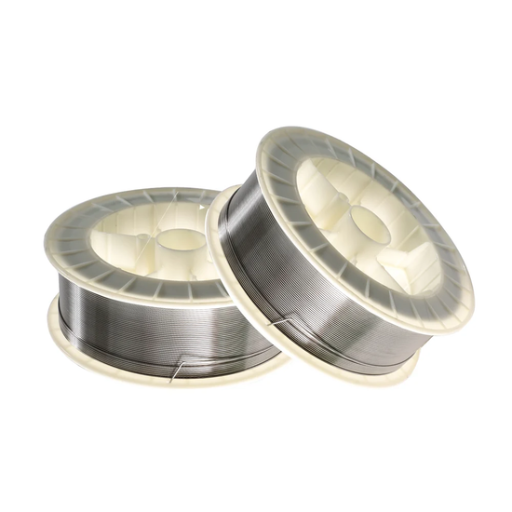
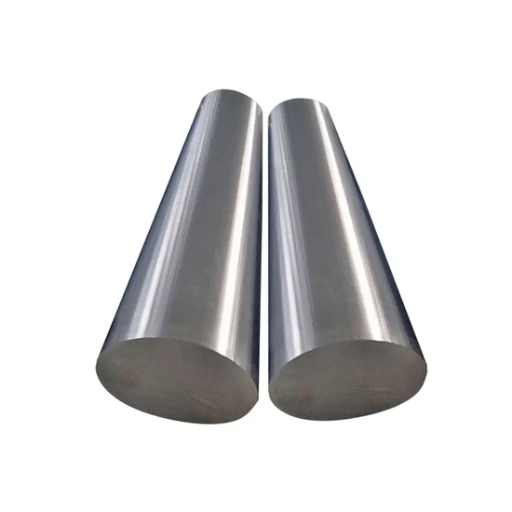
| Rod, bar, wire, forging stock | ASTM B166 / ASME SB166; AMS 5665; AMS 5687 |
| Forgings | ASTM B564 / ASME SB564 |
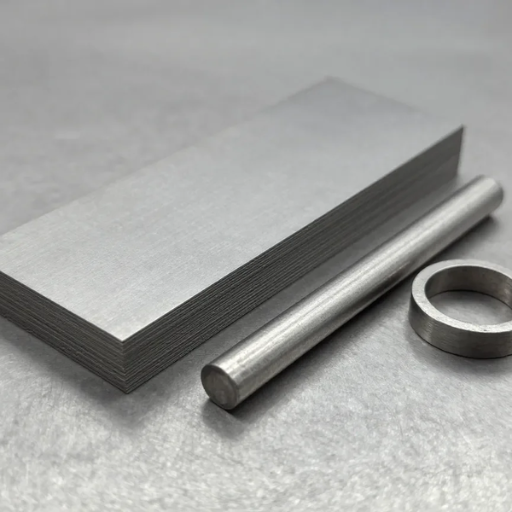
| Plate, sheet, strip | ASTM B168 / ASME SB168; ASTM B906; AMS 5540 |
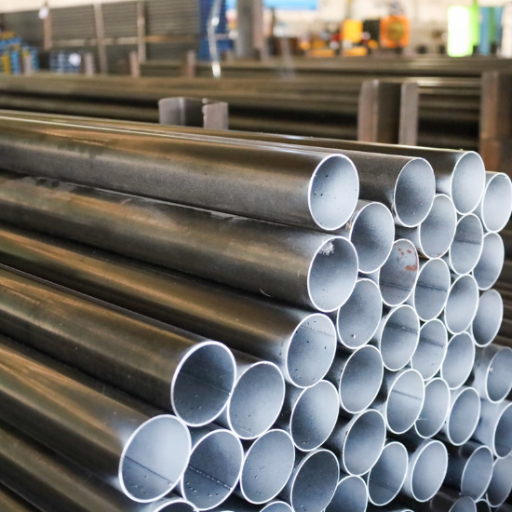
| Pipe and tube | ASTM B167; ASTM B163; ASTM B516; ASTM B517; ASTM B751; ASTM B775; ASTM B829; AMS 5580 |
| Fittings | ASTM B366 |
Four fields turn that table into an order that can be inspected.
Form and standard. A 3 mm sheet is ASTM B168. A 25 mm bar is ASTM B166. A seamless heat-exchanger tube is ASTM B163 or B167, depending on the application and the purchaser’s specification. Quoting the wrong product standard is the most common documentation error in 600 purchasing.
Condition. Annealed, stress-relieved, or cold-worked to a temper. This is where the caustic stress relief, the spring temper and the nitriding-container requirement all enter the order.
Test and certificate. Tensile and hardness at minimum, plus hydrostatic or eddy-current testing for tube, and a mill test report traceable to the heat number. The mill test report guide explains what a 3.1 certificate actually contains.
Surface. Pickled, bright annealed, or descaled, because the surface condition sets the corrosion starting point and the fabrication behavior.
A complete line reads like this: Inconel 600 (UNS N06600), ASTM B168, annealed, 3 mm, pickled, EN 10204 3.1 with stress-relief record. A line that says only “Inconel 600” leaves the mill to choose everything after the grade name.
For the product forms behind these specifications, the nickel alloy pipe category covers tube and pipe, the nickel alloy plate category covers plate and sheet, and the nickel alloy bar category covers bar and rod.
Conclusion
The Inconel 600 applications on this page hold up because the alloy solves a specific combination: chloride stress-corrosion immunity from its nickel, oxidation resistance from its chromium, and alkaline tolerance from both. Every verified use draws on one of those three properties, and every one carries a condition that the mill bulletin states and the supplier pages leave out.
The conditions are the valuable part. Nitriding containers work because the alloy resists nitrogen at temperature. Furnace hardware works until the atmosphere carries sulfur. Caustic service works with 900°C (1,650°F) for 1 hour or 790°C (1,450°F) for 4 hours of stress relief and low operating stress. Thermocouple sheaths work within an assembly rating set by the instrument maker. Chemical equipment works in fatty acids, sodium sulfide and pulp liquor, and fails in seawater, wet chlorine and hot sulfur.
If you know the duty, the form and the condition, the alloy choice is straightforward. If you know only the grade name, the specification is not finished. Send the drawing, the service condition and the certificate requirement, and we will confirm the form, standard and condition before the heat is rolled.
FAQ: Inconel 600 Applications
What is Inconel 600 used for?
Inconel 600 is used for furnace retorts, boxes, muffles, wire belts, roller hearths, baskets and trays; nitriding containers; thermocouple sheaths and instrument springs; and fatty-acid, sodium-sulfide and pulp-processing equipment. It also appears in caustic service with stress relief, and, historically, in nuclear reactor components including steam generator tubing. The common thread is oxidation resistance plus chloride stress-corrosion immunity in a high-nickel alloy.
Can Inconel 600 be used for hot caustic?
Yes, but only in the stress-relieved condition. SMC-027 warns that the alloy is subject to stress-corrosion cracking in high-temperature, high-strength caustic alkalies, and requires full stress relief at 900°C (1,650°F) for 1 hour or 790°C (1,450°F) for 4 hours before use, with operating stresses kept low. The same rule applies where mercury is present at temperature.
Is Inconel 600 the same as Inconel 625?
No. Both are nickel-chromium alloys, but 625 adds molybdenum and niobium, which give it pitting and crevice resistance in chlorides and higher strength. Alloy 600 has no molybdenum, so it resists chloride stress-corrosion cracking but not chloride pitting. For seawater or wet chlorine, 625 is the correct grade. The Inconel 600 vs 625 comparison covers the crossover.
Is Inconel 600 magnetic?
Essentially not. It is an austenitic alloy with a relative permeability of about 1.010 at 200 oersted, which is close enough to non-magnetic for most instrument and electrical work. Cold work can raise permeability slightly, so a heavily cold-drawn spring is worth checking if the application is sensitive.
Can Inconel 600 be used in seawater?
No. Alloy 600 has no molybdenum, so it has poor resistance to pitting and crevice corrosion in chloride-containing water. It resists chloride stress-corrosion cracking, which is a different mechanism. For seawater and brackish cooling, use 625, 690 or a 6Mo super-austenitic stainless steel.