Last updated:
Incoloy 825 is a nickel-iron-chromium alloy containing molybdenum, copper and titanium, identified as UNS N08825. It may suit corrosive process duties. The grade name alone can’t tell you whether it suits your equipment.
Are you choosing material for an acid line or heat exchanger? The phrase “corrosion resistant” leaves too much unanswered. What damage could occur?
In what condition will the metal arrive? Which records support the choice?
This guide links the alloy’s chemistry to those choices. It then shows how to prepare a clear inquiry.
Key Takeaways
- Match the alloy to the actual medium, temperature and exposure; an application list is only a starting point.
- Read property values with their product form, condition and test temperature.
- Treat welding consumables and procedure qualification as separate decisions from base-metal identity.
- Specify the product standard, dimensions, condition and inspection scope before comparing quotations.
- Use producer data for screening and the agreed project requirements for acceptance.
What Is Incoloy 825?
Composition and the Role of Each Addition
Nickel, chromium, molybdenum and copper work together to resist corrosion. Nickel contributes resistance to chloride-ion stress corrosion cracking. Chromium helps in oxidizing media. Nickel, molybdenum and copper help in reducing media, such as sulfuric and phosphoric acids.
Molybdenum also contributes to resistance against pitting and crevice attack. Titanium works with suitable heat treatment to limit sensitization. This helps resist attack along grain boundaries. These roles explain why the grade is worth considering; they do not predict a service life.
The following values come from Table 1 of the Special Metals alloy 825 bulletin, publication SMC-030, September 2004. They are limits in weight percent. They aren’t test results for a delivered heat.
| Element | Producer’s listed composition, wt% | What to check when buying |
|---|---|---|
| Nickel | 38.0-46.0 | Compare the heat analysis with the ordered specification |
| Chromium | 19.5-23.5 | Keep the same specification basis throughout the order |
| Molybdenum | 2.5-3.5 | Do not use nominal chemistry to predict a corrosion rate |
| Copper | 1.5-3.0 | Confirm the recorded analysis and heat identity |
| Titanium | 0.6-1.2 | Review delivery condition as well as composition |
| Iron | 22.0 minimum | Do not relabel this source’s minimum as a balance value |
| Carbon | 0.05 maximum | Use the applicable order limits, not a blended datasheet table |
Producer tables can follow different specification bases. A value copied from another sheet should not silently replace a limit in this table. Does your order name a different standard? Check its agreed limits on their own basis.
Alloy Identity Versus Order Requirements
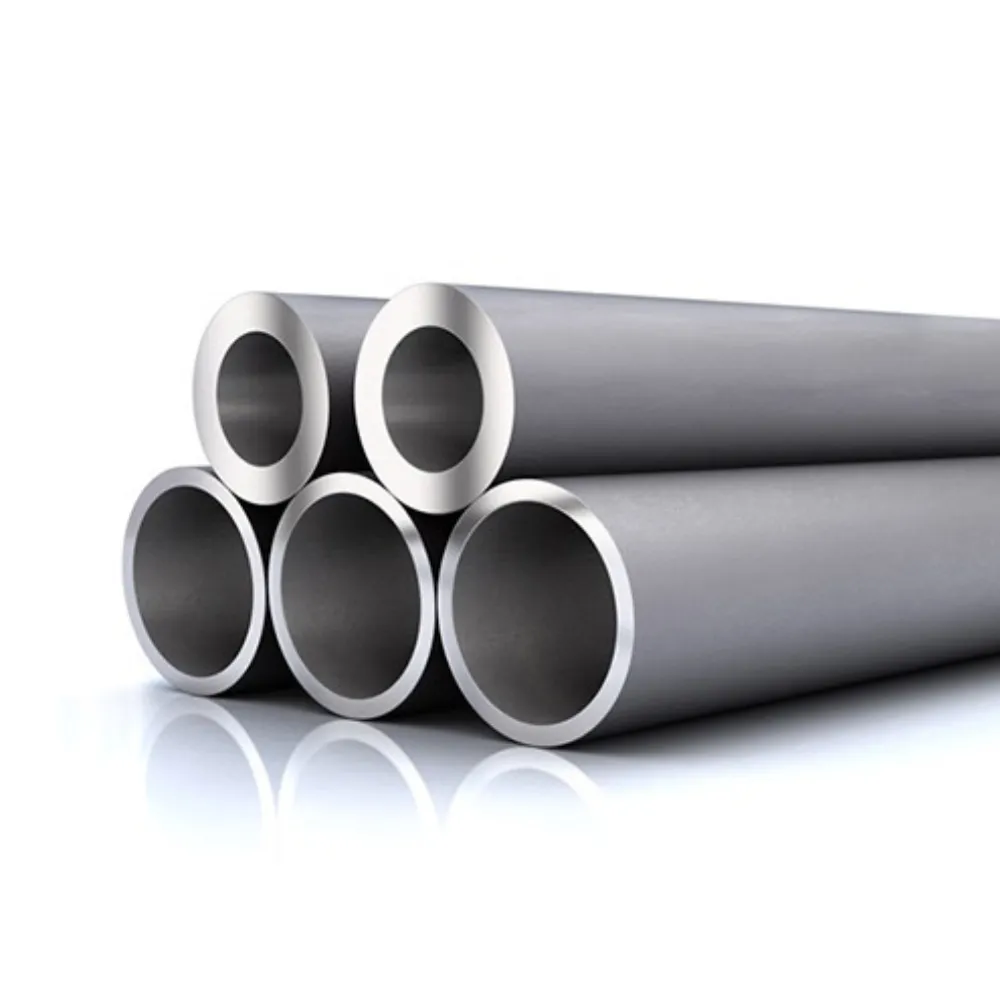
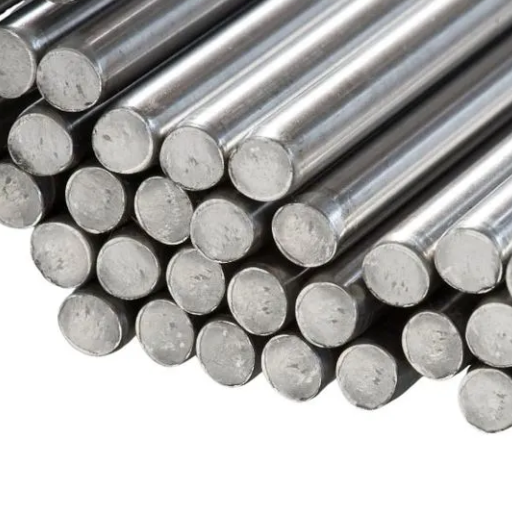
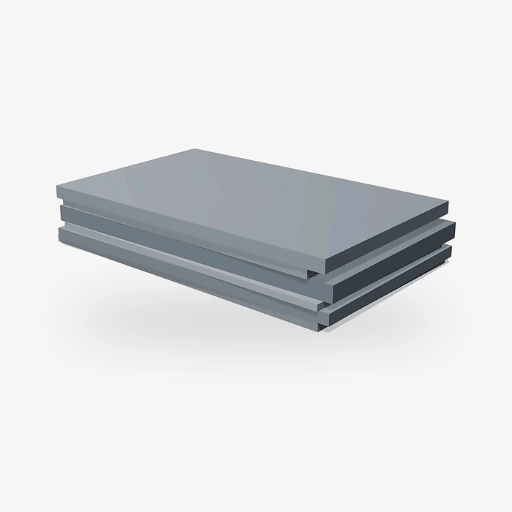
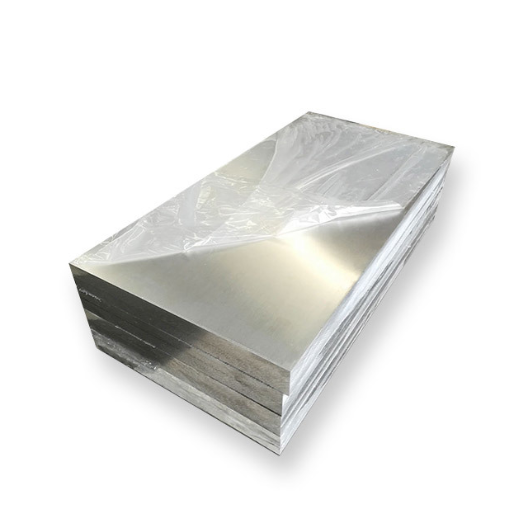
UNS N08825 and Werkstoff number 2.4858 identify the alloy in the cited producer literature. Do you need plate, seamless tube, bar or a forging? The alloy name doesn’t say. It doesn’t define size, supplied condition or test records either.
Illustrative scenario: A buyer receives a quotation headed “825 material.” The drawing calls for a pressure-containing component, but the quote gives no product specification or condition. Ask for those details next. The grade name is only part of the match. No customer outcome or service result is implied by this example.
Before you shortlist a grade, note the fluid, working range and product form you need. Use those fields to frame your material inquiry; they are more useful than asking for “the best nickel alloy.”
Incoloy 825 Properties and Temperature Context
Read Values With Their Conditions
Two sound datasheets can show different strengths. They may describe different forms or conditions. Cold work changes strength. Don’t put annealed and cold-worked products in one strength row without labels.
A test temperature also belongs beside the result.
The Special Metals bulletin separates typical room-temperature tensile properties by product form and condition. Its typical values are a guide. They don’t promise the same result in every shipment. Use the limits in your purchase specification for acceptance.
| Reference value | Source and scope | What it does not establish |
|---|---|---|
| Density: 8.14 g/cm3 | Special Metals, Table 2, physical constant | Finished-item weight without dimensions and quantity |
| Melting range: 1370-1400 degrees C | Special Metals, Table 2 | Allowable operating or welding temperature |
| Strength and elongation | Use the producer’s form- and condition-specific table | A universal minimum for every product form |
| Design allowable stress | Obtain from the applicable design basis | The same thing as a typical tensile-test result |
For an early mass estimate, use density with the proposed geometry. For acceptance, ask which test, specimen and limits apply to the ordered form. For design, use the governing code calculation. A datasheet answers a different question.
Return to the buyer’s incomplete quote. Suppose the seller sends a typical plate value for a forging order. The evidence still concerns the wrong form.
Resolve the form and test basis before judging the numbers. A higher number is not automatically more relevant evidence.
Thermal Exposure Is a Separate Question
Special Metals warns about exposure above about 540 degrees C. Changes in the metal structure can reduce ductility and impact strength. This warning is not permission to operate an acid system below that temperature. It isn’t a safe-use limit for all fluids either.
Keep three reviews distinct. How does heat affect the metal? What do the design rules require? How does the actual fluid affect it?
The working range must meet all applicable rules. A number taken from any one review cannot stand in for the other two.
The VDM Alloy 825 datasheet, revision 01, November 2020, provides further property and fabrication context. Keep its date and product limits with the data. An old approval doesn’t prove that today’s project rules are met.
Corrosion Resistance and Service Selection
Acid Applications Need More Than an Acid Name
Producers list uses in chemical plants, acid production and pickling. Sulfuric and phosphoric acids are relevant screening environments because of the alloying combination described above. The use name alone doesn’t define acid strength, impurities, heat or equipment details.
Illustrative scenario: An inquiry states “phosphoric acid exchanger” but leaves the impurity content and cleaning cycle blank. The acid name leaves those exposures unchecked. Ask for the fluid analysis, temperatures and cleaning fluids first. Then compare evidence for that duty.
This is an example of a decision, not a plant case history.
Record normal use and credible upsets on separate lines. Include the hottest exposed location, startup, shutdown and cleaning where relevant. Does acid strength change through the cycle? Record the range, not just one value.
For each corrosion result, check the test basis. What sample, surface, exposure time and test fluid were used? Check whether the report concerns base metal or a welded assembly.
Data for a different mixture may help frame questions. It doesn’t prove the proposed use is sound.
Chlorides: Separate Cracking, Pitting and Crevices
The alloy’s resistance to chloride-ion stress corrosion cracking is a reason to consider it. That resistance does not mean it is immune to pitting or crevice corrosion. These are distinct types of damage. A good result for one does not settle the others.
Review chloride content alongside temperature, deposits, crevices, flow and periods of stagnation. Check joints and gasket details too. Their exposure may differ from an open, clean surface. Avoid converting a single corrosion test into a blanket statement about seawater suitability.
The Alleima Sanicro 41 billet datasheet adds a useful product-form caution. It warns about applying tube corrosion data to thicker sections. Use the source for its stated form and condition rather than assuming every N08825 item behaves identically.
For a closer look at how to read such evidence, continue to the site’s Incoloy 825 corrosion-resistance guide. Keep primary-source test conditions beside any result you use for a material decision.
Sour Service Needs Its Own Review
The Special Metals bulletin lists the alloy in the context of NACE MR0175 oil and gas service. That dated statement doesn’t approve every sour environment. This overview does not supply a current numerical acceptance envelope.
For a sour-service inquiry, identify the applicable standard and edition, material condition and environment. Provide the relevant temperature, hydrogen sulfide exposure, pH and chloride information for the responsible review. Ask which clause or written review supports the proposed condition. An unexplained “NACE compliant” label is not enough.
Compare Alternatives on the Same Basis
Comparisons with 316L, 904L or Alloy 625 should begin with the damage mechanism and exposure data. A grade ranking can hide the exposure that controls your choice. Chemistry alone can’t tell you which grade suits the duty or offers better value.
Use a short comparison worksheet: candidate grade, delivered condition, relevant corrosion evidence, design requirements and fabrication needs. Mark missing evidence as missing. Do not translate that gap into a claim of either failure or suitability.
Prepare the service information before requesting a material recommendation. Include the medium analysis, temperature range, pressure, exposed geometry and inspection expectations so the discussion can focus on the actual duty.
Welding & Fabrication
Base Metal, Filler and Procedure Are Separate Choices
Producers describe alloy 825 as weldable by common processes. That is a useful starting point, but a plate certificate is not a welding procedure. Define the joint, metal condition and service. State the basis for procedure qualification too.
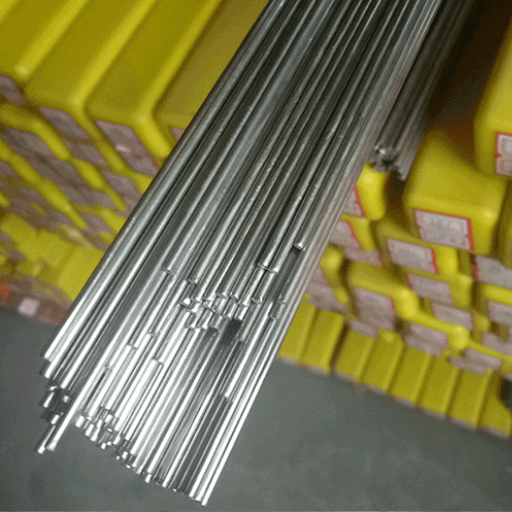
Special Metals names 625-type consumables for many uses. It names other fillers for greater corrosion resistance. Other producer guidance gives its own recommendations. Do not merge recommendations from different documents into one universal shop recipe.
Illustrative scenario: Two fabrication bids propose different filler families for the same component. Ask each bidder why it chose that filler. Request the classification and basis for procedure qualification. Confirm how the proposed weld will be assessed for the specified service.
This example does not assert that either bid will pass or fail.
An over-alloyed filler is not the same as a matching filler. Name the actual consumable and use those terms with care. Nickel fillers aren’t all the same. A producer recommendation should remain tied to its application and process context.
Cleanliness, Heat History and Fabrication Records
VDM’s sheet covers preparation, welding and treatment as related fabrication tasks. Clean surfaces, appropriate protection and control of the thermal cycle belong in the fabrication plan. Put exact root gaps, interpass limits and heat-input settings in the selected procedure. An overview table cannot set them for every joint.
For received material, establish whether it is in the specified delivery condition or has already seen service. Record later forming, heat treatment and welding where the job requires it. The grade designation alone does not describe that history.
Special Metals gives subsequent-annealing guidance of 930-980 degrees C with cooling considerations. VDM gives its own soft- or stabilizing-anneal guidance. Its treatment details depend on the section.
Use each producer’s guidance in a controlled review. Don’t merge them into a furnace cycle or hold-time rule.
Before work starts, assign the decisions. Who selects the filler? Who approves the procedure? Which records must accompany the part?
If heat treatment is proposed, ask why. Request the producer or project basis. Do not assume a treatment is required, or unnecessary, solely because the base alloy contains titanium.
Use the dedicated Incoloy 825 welding guide for the next level of questions about filler choice, material condition and qualification. It helps you frame the welding questions. The job still needs its own qualified procedure.
Standards & Product Forms
Match the Specification to the Supplied Form
A UNS number is not a complete purchase specification. Product standards cover specific forms. The drawing and order add size and acceptance requirements. Keep those layers visible when building an inquiry.
The following is a reference map from the Special Metals bulletin, not a claim to reproduce the full current standards. Check the edition, scope and alloy before you order.
| Product form | Reference specification | Buyer check |
|---|---|---|
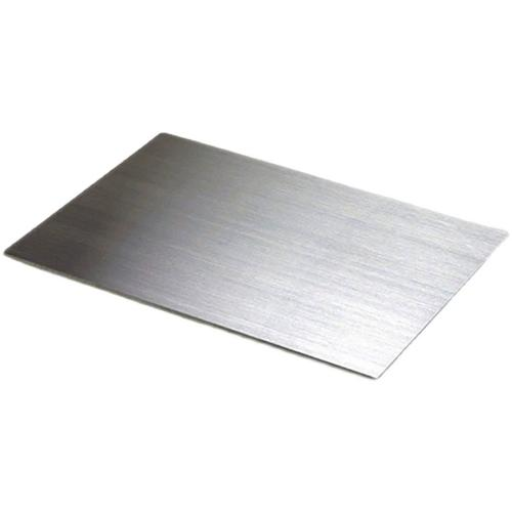
| Plate, sheet and strip | ASTM B424 | Dimensions, condition, tolerances and required tests |
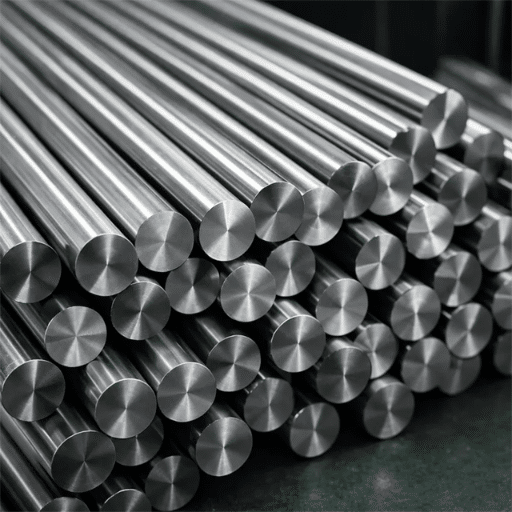
| Rod and bar | ASTM B425 | Supplied form, size and mechanical-test basis |
| Forgings | ASTM B564 | Forging requirements and agreed test/document scope |
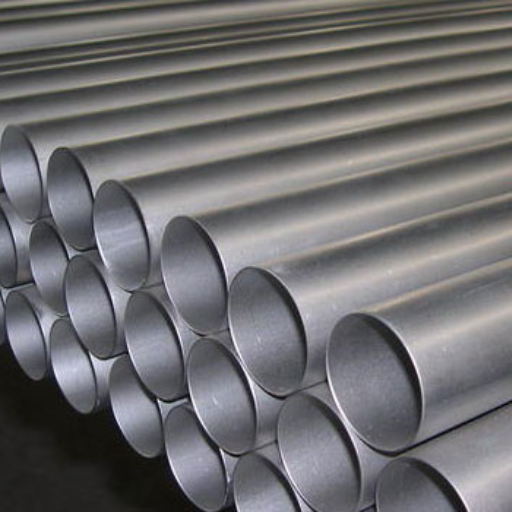
| Seamless pipe and tube | ASTM B423 | Pipe/tube dimensions, condition and inspection requirements |
Do not substitute a nearby standard number because the title sounds similar. Check that the standard covers both the intended product and the alloy. Meeting one product standard doesn’t mean the material meets another.
For a structured continuation, use the Incoloy 825 specifications guide. Pipe inquiries also benefit from the 825 pipe and tube specification guide when the dimensional and manufacturing route needs closer review.
Complete the Order and Documentation Scope
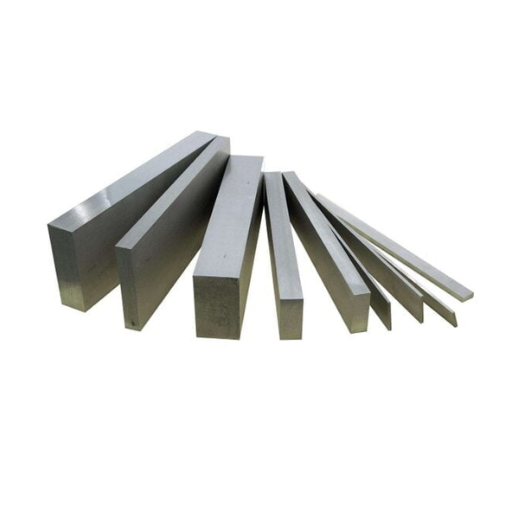
List diameter or thickness, width, length, quantity and units clearly. State the required condition and any drawing revision. Does the job need extra tests? Agree on the method and acceptance limits before pricing.
Set the document type in the project rules and purchase agreement. Each job may need a different certificate, witness or extra test. A promise of “full certification” still needs a list of records.
Specify how the heat identity must connect the material, markings and documents. Agree what will be checked on receipt and who will resolve a discrepancy. Tie the certificate to the delivered item. Then check its contents against the order.
The buyer who started with “825 material” can now issue a clearer request. It names the form and specification, gives dimensions and quantity, states condition and lists the required documents. That change makes bids easier to compare without assuming anything about price or supplier performance.
Sourcing Incoloy 825: Quote and Certificate Checks
Build a Comparable Quotation Basis
Two prices per kilogram can describe different deliveries. One may cover a different condition, size, test scope or delivery basis. Compare the scope before judging value.
Use the same requested quantity, units and dimensions in each inquiry. Separate material price from any quoted cutting, testing, packing and transport charges. Record currency, quote validity and delivery terms. These help explain a price gap.
Does the price use ordered mass, supplied mass or another basis? Ask. If bids use different units, normalize them before comparison. Do not compare a price per piece with a price per kilogram until the dimensions and mass basis are clear.
This guide does not publish a market price band, brand premium or volume discount. Use a dated quote against the agreed specification. A generic range without evidence is less useful. Ask the supplier to state exclusions and unresolved requirements explicitly.
Check Designations and Heat Identity
Other grade names can help you find material. Still check the specification. Use the site’s Incoloy 825 designation cross-check as an introduction to that task. Then compare the proposed standard, composition, condition and tests against the purchase requirement.
On receipt, match the grade and heat markings to the records. Check dimensions and the agreed test results. If a marking or report doesn’t match, flag it. Resolve the gap before accepting the material for use.
Positive material identification may be part of an agreed inspection plan. Choose a method that answers the question at hand. The test name alone doesn’t prove compliance. It does not replace every mechanical, condition or documentation requirement in the order.
Apply the same checks to a purchase in China or elsewhere. A country label or producer name can’t replace the required product and traceable records. Prepare the order scope first, then ask what the supplier can confirm against it.
Incoloy 825 FAQ and Next Step
What Is Incoloy 825 Used For?
Producer literature lists chemical processing, acid production, pickling, pollution control and oil and gas applications. These are candidate uses, not a guarantee for every fluid or component. Screen the actual exposure and supplied condition before specifying the grade.
Is It Always Better Than 316L or Alloy 625?
No universal ranking answers that question. Compare corrosion evidence, design requirements, fabrication and delivered scope for the same duty. A more highly alloyed or more expensive material is not automatically the right choice for every requirement.
Can It Be Welded?
Yes, the cited producer literature describes conventional welding processes. Filler selection and procedure qualification still depend on the joint and application. Use the specialist welding guide to prepare those questions, then obtain the required procedure evidence for your project.
What Sets the Maximum Service Temperature?
Material stability, applicable design rules and the corrosion environment all matter. Neither the melting range nor a thermal-exposure warning supplies a universal operating limit. Review the proposed temperature with the relevant fluid and component requirements.
What Should Accompany a Material Inquiry?
Start with the fluid and working range. Add form, size, quantity, standard and edition. State the supplied condition and records you need.
Add the drawing revision and fabrication needs where relevant. Flag any requirement that still needs engineering review.
For your Incoloy 825 inquiry, use the fields below. Compare each response against the same scope.
- Service medium, normal range and upset conditions
- Product form, dimensions, quantity and drawing revision
- Standard, edition and supplied condition
- Test methods, acceptance limits and required records
- Open engineering questions and stated quote exclusions
List open questions. Resolve them before accepting a grade, weld procedure or quote. Use that same basis for the first inquiry and the checks on receipt.