Inconel 718 vs Inconel X-750 is a comparison that every high-temperature alloy buyer eventually faces. Both are precipitation-hardening nickel superalloys from the same Inconel family. Both resist oxidation and corrosion at temperatures that destroy stainless steel. Both are specified in aerospace, power generation, and oil-and-gas projects. But they are not interchangeable.
The difference is not just in the numbers on a chemistry table. It is in the fundamental metallurgical mechanism that gives each alloy its strength. Inconel 718 hardens through γ″ precipitates that deliver exceptional strength up to about 700°C. Inconel X-750 hardens through γ′ precipitates that remain stable at higher temperatures, making it the better choice above 700°C where creep resistance dominates. Choosing the wrong alloy for your temperature and stress regime can mean premature failure, unplanned downtime, or a rejected qualification test.
This guide explains the metallurgical differences between Inconel 718 and Inconel X-750, compares their chemistry, mechanical properties, temperature limits, and applications, and shows how to source both grades from a qualified Chinese mill. For a broader technical overview of Inconel 718, see our complete Inconel 718 technical guide.
Key Takeaways
- Inconel 718 vs Inconel X-750 comes down to strengthening mechanism: 718 uses γ″ (Ni₃Nb) for strength below 700°C; X-750 uses γ′ (Ni₃(Ti,Al)) for stability above 700°C.
- Aged Inconel 718 reaches higher room-temperature strength (~1,240 MPa tensile) than aged X-750 (~1,100 MPa).
- Inconel X-750 offers superior creep resistance and is preferred for high-temperature springs, fasteners, and gas turbine blades.
- Inconel 718 is more weldable, more available, and typically 20–40% less expensive than X-750.
- The Chinese equivalents are GH4169 (718) and GH4145 (X-750); both can be sourced from Wuxi with full certification.
- Zhonggongte supplies both grades with in-house spectral verification, MTRs, and EN 10204 3.1/3.2 certification.
What Is Inconel 718?

Grade Designation and Equivalent Standards
Inconel 718 is the most widely used precipitation-hardening nickel superalloy. Its standard designations are:
| System | Designation |
|---|---|
| UNS | N07718 |
| Werkstoff | 2.4668 |
| Trade name | Inconel 718, Alloy 718 |
| Chinese equivalent | GH4169 |
For buyers sourcing from Chinese mills, GH4169 is the direct metallurgical equivalent. It can be certified to GB/T 14992, GJB 2611A, or ASTM B637 / AMS 5662–5664 when produced for export. For the original alloy datasheet, see the Special Metals Inconel 718 technical bulletin. For a detailed comparison of the Chinese and Western grades, see our GH4169 equivalent Inconel 718 guide.
Key Properties
Inconel 718 contains 50–55% nickel, 17–21% chromium, and 4.75–5.50% niobium. The niobium is critical. It combines with nickel to form γ″ (gamma double prime) precipitates during aging, producing an exceptional increase in tensile and yield strength.
- Service temperature: cryogenic to approximately 650–700°C
- Aged tensile strength: 1,240–1,370 MPa
- Aged yield strength: 1,030–1,170 MPa
- Elongation (aged): ≥ 12%
- Hardness (aged): 36–44 HRC
The alloy also contains 2.80–3.30% molybdenum for solid-solution strengthening and 0.65–1.15% titanium plus 0.20–0.80% aluminum, which form secondary γ′ precipitates. This dual-precipitate system gives 718 its balanced combination of strength, weldability, and fatigue resistance.
What Is Inconel X-750?
Grade Designation and Equivalent Standards
Inconel X-750 is a higher-nickel, lower-iron precipitation-hardening alloy designed for elevated-temperature stability. Its standard designations are:
| System | Designation |
|---|---|
| UNS | N07750 |
| Werkstoff | 2.4669 |
| Trade name | Inconel X-750, Alloy X-750 |
| Chinese equivalent | GH4145 |
GH4145 is the Chinese national standard designation under GB/T 14992. It follows the same chemistry and strengthening mechanism as Inconel X-750 and can be certified to ASTM B637 or AMS 5667/5668 for export applications. For the full standard text, see ASTM B637.
Key Properties
Inconel X-750 contains approximately 70% nickel, 14–17% chromium, and 5–9% iron. Unlike 718, it does not rely on niobium-driven γ″ precipitation. Instead, it uses higher titanium (2.25–2.75%) and aluminum (0.40–1.00%) to form a stable γ′ (gamma prime) Ni₃(Al, Ti) precipitate structure.
- Service temperature: cryogenic to approximately 700–800°C
- Aged tensile strength: 1,100–1,200 MPa
- Aged yield strength: 700–800 MPa
- Elongation (aged): 15–25%
- Hardness (aged): 30–37 HRC
The γ′ precipitates in X-750 coarsen more slowly at high temperature than the γ″ precipitates in 718. This gives X-750 superior long-term creep-rupture life above 700°C, which is why it remains the preferred alloy for high-temperature springs, fasteners, and rotating parts in gas turbines.
Inconel 718 vs Inconel X-750: Chemical Composition
The side-by-side comparison reveals why these two alloys behave differently at temperature.
| Element | Inconel 718 (UNS N07718) | Inconel X-750 (UNS N07750) |
|---|---|---|
| Nickel (Ni) | 50.0 – 55.0 | ~70 |
| Chromium (Cr) | 17.0 – 21.0 | 14.0 – 17.0 |
| Iron (Fe) | Balance (~18–20) | 5.0 – 9.0 |
| Niobium + Tantalum (Nb+Ta) | 4.75 – 5.50 | 0.70 – 1.20 |
| Molybdenum (Mo) | 2.80 – 3.30 | — |
| Titanium (Ti) | 0.65 – 1.15 | 2.25 – 2.75 |
| Aluminum (Al) | 0.20 – 0.80 | 0.40 – 1.00 |
| Carbon (C) | ≤ 0.08 | ≤ 0.08 |
| Silicon (Si) | ≤ 0.35 | ≤ 0.50 |
| Manganese (Mn) | ≤ 0.35 | ≤ 1.00 |
The critical difference is the niobium-to-titanium ratio. Inconel 718 uses 4.75–5.50% niobium to drive γ″ precipitation, which produces higher strength but less thermal stability. Inconel X-750 uses 2.25–2.75% titanium and 0.40–1.00% aluminum to drive γ′ precipitation, which produces slightly lower room-temperature strength but far better stability above 700°C.
Mechanical Properties Comparison

Room Temperature Properties
| Property | Inconel 718 (Aged) | Inconel X-750 (Aged) |
|---|---|---|
| Tensile strength | 1,240 – 1,370 MPa | 1,100 – 1,200 MPa |
| Yield strength | 1,030 – 1,170 MPa | 700 – 800 MPa |
| Elongation | ≥ 12% | 15 – 25% |
| Hardness | 36 – 44 HRC | 30 – 37 HRC |
| Density | ~8.19 g/cm³ | ~8.25 g/cm³ |
At room temperature, Inconel 718 is clearly the stronger alloy. Its yield strength after aging is roughly 40–50% higher than X-750. This is why 718 dominates in applications where high static strength, fatigue resistance, and toughness at moderate temperatures are required. For a deeper look at how these values change with heat treatment conditions, see our Inconel 718 mechanical properties reference.
Elevated Temperature Performance
The crossover happens around 650–700°C. Below this range, aged 718 maintains superior tensile and yield strength. Above this range, the γ″ precipitates in 718 begin to coarsen rapidly, losing their strengthening effect. The γ′ precipitates in X-750 remain stable at higher temperatures, giving X-750 a decisive advantage in creep-rupture life.
For a gas turbine disc operating at 650°C, 718 is usually the correct choice. For a high-temperature spring or fastener operating at 750°C, X-750 is the correct choice. The wrong selection at these temperature boundaries leads to either over-engineering (using X-750 where 718 would suffice) or premature creep failure (using 718 where X-750 is required).
Creep-Rupture and Fatigue
Creep-rupture testing illustrates the difference most clearly. At 700°C under a sustained stress of 400 MPa, aged X-750 typically shows a rupture life 2–5 times longer than aged 718. At 650°C and below, 718 has the longer rupture life because its γ″ structure remains coherent and effective.
Fatigue performance follows a similar pattern. Inconel 718 excels in high-cycle fatigue below 650°C, particularly in notched components. Inconel X-750 performs better in thermal-fatigue regimes above 700°C where precipitate stability matters more than raw strength.
Inconel 718 vs Inconel X-750: Applications
When to Choose Inconel 718
Choose Inconel 718 when your application requires:
- High tensile and yield strength at room temperature up to 650°C
- Excellent weldability and fabricability
- High-cycle fatigue resistance in rotating components
- A balance of strength, toughness, and corrosion resistance
- Lower material cost and better availability
Typical 718 applications include:
- Gas turbine discs, shafts, and compressor blades
- Rocket motor cases and turbopump components
- Oil & gas downhole tools, wellhead components, and subsea valves
- High-strength fasteners and structural components
- Cryogenic storage tanks and pressure vessels
When to Choose Inconel X-750
Choose Inconel X-750 when your application requires:
- Long-term creep resistance above 700°C
- Precipitate stability in thermal cycling environments
- High-temperature spring performance
- Resistance to stress relaxation in fasteners
- Service in oxidizing atmospheres up to 800°C
Typical X-750 applications include:
- High-temperature springs and spring fasteners
- Gas turbine blades and vanes
- Nuclear reactor core components
- Aerospace structural fasteners and retaining rings
- Heat-treatment fixtures and furnace components
Fabrication and Weldability
Weldability
Inconel 718 is one of the most weldable precipitation-hardening superalloys. It is readily welded in the solution-treated condition using GTAW, GMAW, and plasma-arc processes. Post-weld heat treatment restores full strength with minimal risk of strain-age cracking.
Inconel X-750 is weldable but requires more careful procedure control. The alloy is more susceptible to strain-age cracking during post-weld aging, especially in restrained joints or thick sections. Welding should be performed in the solution-treated condition, and the aging cycle must be carefully controlled to avoid cracking.
Machining
Both alloys work-harden rapidly and are classified as difficult to machine. Inconel 718, particularly in the aged condition, is extremely abrasive and requires rigid setups, slow cutting speeds, high-pressure coolant, and carbide or ceramic tooling. Inconel X-750 is similarly challenging but marginally less abrasive in the solution-treated condition.
For machining-intensive components, many fabricators order 718 in the solution-treated condition, machine to near-net shape, and then age to full strength. This approach reduces tool wear and improves surface finish.
Heat Treatment
The standard heat treatments differ slightly:
- Inconel 718: Solution anneal at 940–1,050°C, then age at 720°C for 8 hours, furnace cool to 620°C, hold 8 hours, air cool.
- Inconel X-750: Solution anneal at 1,040–1,080°C, then age at 730°C for 16 hours, air cool.
For detailed cycle parameters and how they affect final properties, see our Inconel 718 heat treatment cycles guide.
Cost and Availability Comparison
Inconel 718 is the higher-volume alloy. Global demand for 718 is roughly 5–10 times greater than for X-750, driven by its use in oil & gas, power generation, and general aerospace. Higher production volume means more mill capacity, shorter lead times, and lower prices.
Inconel X-750 commands a premium. Typical price differentials are 20–40% above 718 for equivalent product forms and certifications. The premium reflects lower production volume, more specialized melt practice, and the alloy’s use in critical high-temperature applications where buyers are less price-sensitive.
For context on pricing across all Inconel 718 product forms, see our Inconel 718 price per kg guide. X-750 pricing follows similar market dynamics but at a higher baseline.
Sourcing Inconel 718 and X-750 from China

What to Specify in Your RFQ
Whether you are ordering GH4169 (718) or GH4145 (X-750), the GH4169 vs GH4145 decision starts with a complete RFQ that should include:
- Alloy and standard: Inconel 718 / UNS N07718 or Inconel X-750 / UNS N07750, plus ASTM B637, AMS 5662/5663 (718), AMS 5667/5668 (X-750), or GB/T 14992
- Condition: Solution-treated, aged, or solution-treated for machining
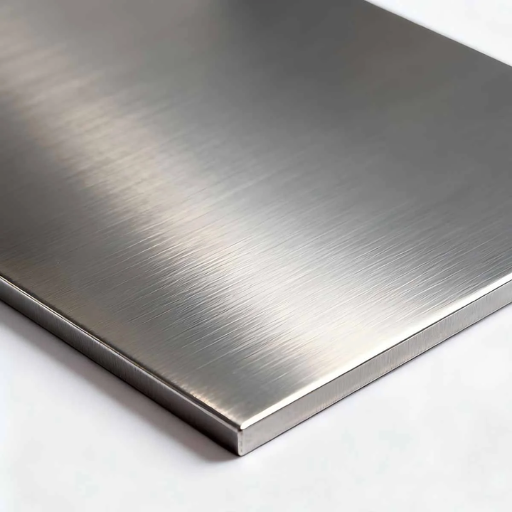
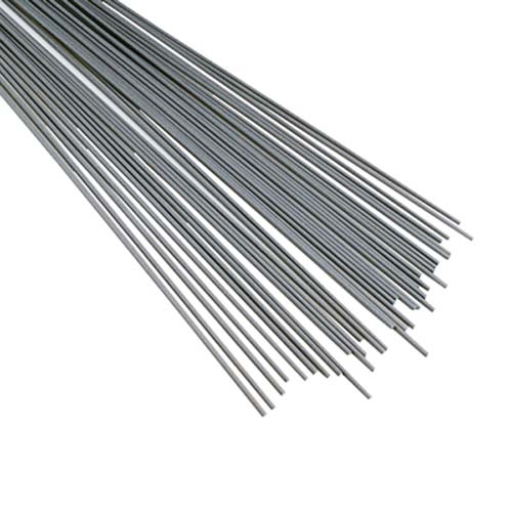
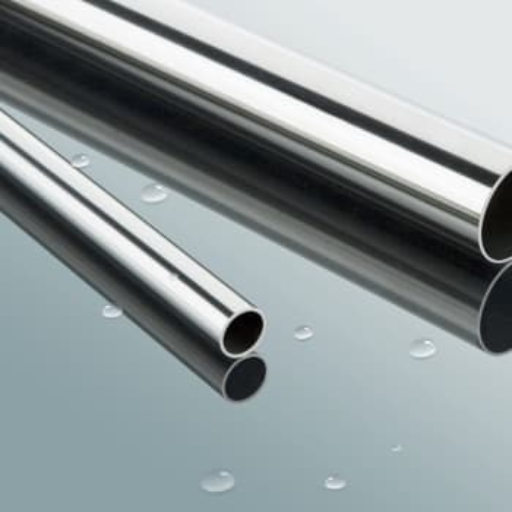
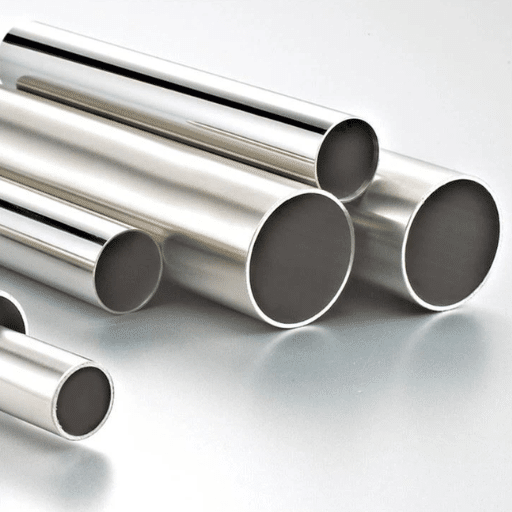
- Product form: Bar, plate, sheet, pipe, tube, wire, spring, or forging
- Dimensions: Diameter, thickness, width, length, and tolerance
- Quantity: Weight or number of pieces
- Certification: MTR, EN 10204 3.1/3.2, third-party inspection, NDT
- End use or application: Helps the supplier confirm grade selection
- Delivery terms: Incoterm, destination, and required delivery date
Quality Verification Checklist
Before accepting either grade, verify:
- Heat number and full chemical analysis
- Mechanical test report for the ordered condition
- Heat treatment chart
- Melt practice statement (air melt, VIM+ESR, VIM+VAR)
- EN 10204 3.1 or 3.2 certificate as required
- NDT reports if specified
Zhonggongte Capability for Both Grades
Jiangsu Zhonggongte Metallurgical Technology Co., Ltd. supplies both Inconel 718 (GH4169) and Inconel X-750 (GH4145) from Wuxi in bar, plate, pipe, tube, wire, and forged forms. Our production routes include vacuum induction melting and electroslag remelting, supported by in-house direct-reading spectrometers, tensile testing, hardness testing, and ultrasonic NDT.
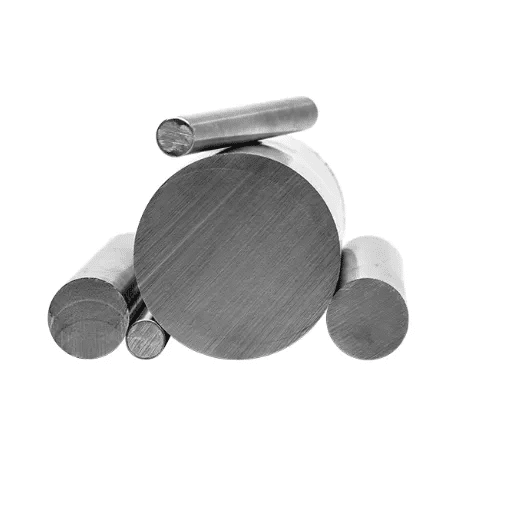
We also supply related product forms, including Inconel 718 round bar and other nickel alloy bar products. Every order ships with a material test report, and we can provide EN 10204 3.1/3.2 certification and third-party inspection on request.
Our metallurgical engineers review each RFQ to confirm that the proposed grade, condition, melt practice, and certification match the application. Submit your specification and we will respond within 24 hours with availability, pricing, and a clear certification pathway.
FAQ: Inconel 718 vs Inconel X-750
What is the difference between Inconel 718 and Inconel X-750?
Inconel 718 uses niobium-driven γ″ precipitation for high strength below 700°C, while Inconel X-750 uses titanium- and aluminum-driven γ′ precipitation for superior creep resistance above 700°C. Aged 718 is stronger at room temperature; aged X-750 lasts longer at high temperatures.
Which is stronger, Inconel 718 or Inconel X-750?
Aged Inconel 718 is stronger at room temperature and up to about 650°C, with tensile strengths of 1,240–1,370 MPa versus 1,100–1,200 MPa for X-750. Above 700°C, X-750 retains its strength better and offers superior creep-rupture life.
What temperature can Inconel X-750 withstand?
Inconel X-750 is suitable for continuous service up to approximately 700–800°C, depending on load and environment. Its γ′ precipitates remain stable at higher temperatures than the γ″ precipitates in Inconel 718.
Is Inconel 718 weldable?
Yes. Inconel 718 is one of the most weldable precipitation-hardening superalloys. It can be welded in the solution-treated condition using GTAW, GMAW, or plasma-arc processes, and post-weld heat treatment restores full strength with low risk of strain-age cracking.
What is GH4145?
GH4145 is the Chinese GB/T 14992 designation for Inconel X-750. It is metallurgically equivalent to UNS N07750 and can be certified to ASTM B637 or AMS 5667/5668 for export applications.
How much more expensive is Inconel X-750 than Inconel 718?
Inconel X-750 typically costs 20–40% more than Inconel 718 for equivalent product forms and certifications. The premium reflects lower production volume, more specialized melt practice, and its use in critical high-temperature applications.
Conclusion
Inconel 718 vs Inconel X-750 is not a question of which alloy is “better.” It is a question of which alloy is better for your temperature, stress, and fabrication requirements. Inconel 718 delivers superior strength and weldability up to 650–700°C, making it the default choice for turbine discs, shafts, and high-strength structural components. Inconel X-750 delivers superior creep resistance and precipitate stability above 700°C, making it the safer choice for high-temperature springs, fasteners, and gas turbine blades.
Both grades are available from Chinese mills as GH4169 and GH4145. Whether you are evaluating Inconel 718 vs Inconel X-750 or the reverse, Inconel X-750 vs Inconel 718, the selection should be driven by engineering requirements, not by brand familiarity or price alone.
Zhonggongte manufactures and supplies certified Inconel 718 and Inconel X-750 from Wuxi with VIM/ESR capability, in-house spectral verification, and full export documentation. Whether your drawing calls out UNS N07718 or UNS N07750, our team will confirm the certification pathway and deliver a quote within 24 hours.