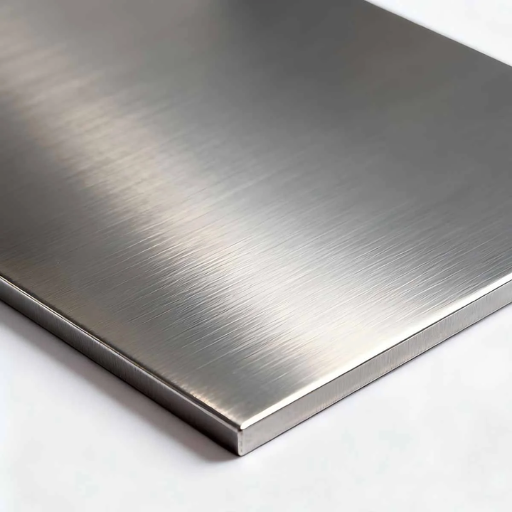
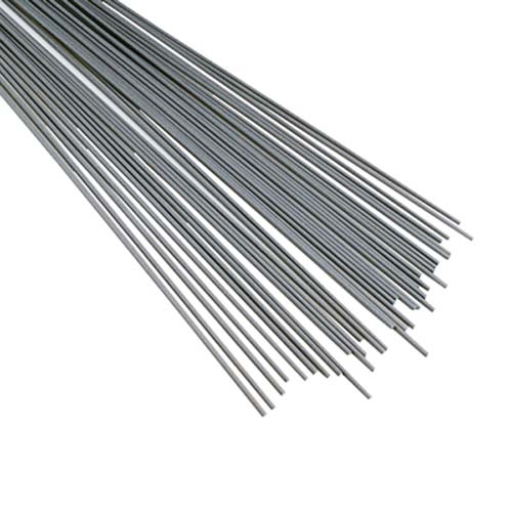
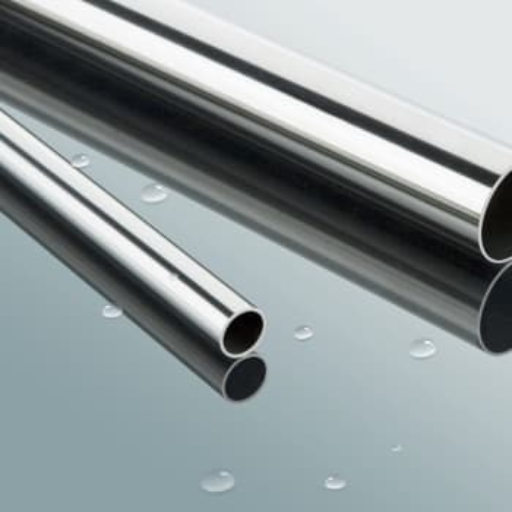
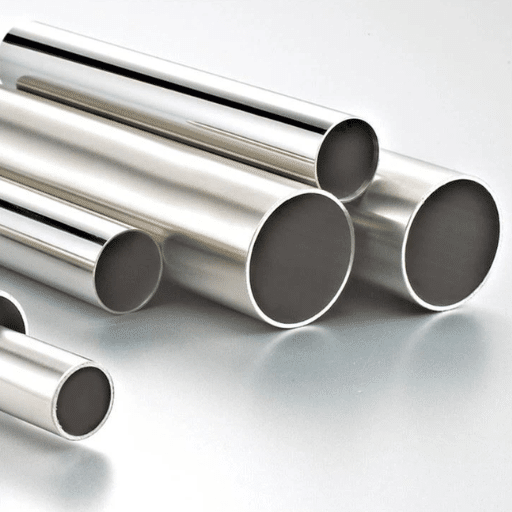
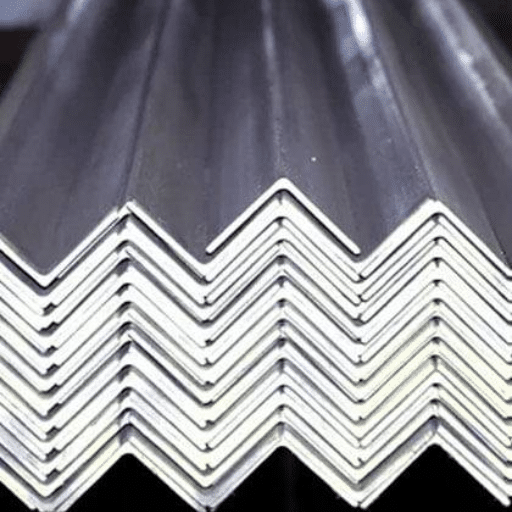
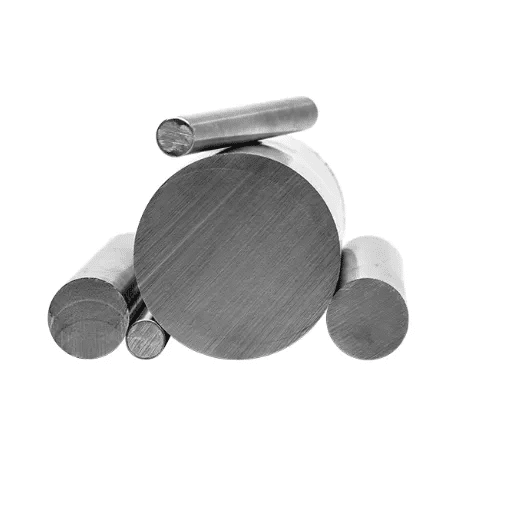
Pharmaceutical-grade stainless steel is a performance category dominated by 316L (UNS S31603) for product-contact surfaces, while 304 is limited to non-contact structural components. The critical distinction is not just alloy chemistry but surface finish, documentation traceability, and compliance with ASME BPE, FDA cGMP, and EU GMP standards.
In 2023, a mid-sized biotech firm in Boston ordered 304 stainless steel for a new WFI storage tank to cut costs by 18%. Six months later, chloride pitting from the aggressive cleaning regimen forced a complete tank replacement. The project delay cost $340,000 in lost batch revenue and a corrective action report that took eight weeks to close. Grade selection errors in pharmaceutical equipment are not theoretical. They are expensive, time-consuming, and entirely preventable.
This guide walks through exactly what pharmaceutical-grade stainless steel means, how to choose between 304 and 316L, what ASME BPE surface finish you actually need, and what documentation your supplier must deliver. You will leave with a checklist you can use on your next purchase order.
Key Takeaways
- 316L is the gold standard for product-contact surfaces; 304 is acceptable for non-contact structural components only
- ASME BPE SF4 electropolish (Ra ≤0.4 μm) is required for bioprocessing equipment per current standards
- Every pharmaceutical order must include an MTR with full chemical composition, heat number traceability, and surface finish verification
- Passivation per ASTM A967 is mandatory after fabrication, even on electropolished surfaces
- Supplier cGMP audit history and validation support capability are non-negotiable for regulated manufacturers
What Is Pharmaceutical Grade Stainless Steel?

“Pharmaceutical grade stainless steel” is not an official ASTM or EN grade name. It is a procurement category. It describes alloys, surface conditions, and documentation packages that meet the hygienic and regulatory demands of drug manufacturing. For a broader foundation on stainless steel alloys and specifications, see our complete materials overview.
The dominant material specification is UNS S31603, commonly called 316L. The “L” denotes low carbon (≤0.03%), which prevents chromium carbide precipitation during welding. This matters because pharmaceutical equipment is welded extensively, and sensitization would create corrosion sites where bacteria colonize. The 2-3% molybdenum in 316L provides resistance to chlorides in Water for Injection (WFI) systems, CIP/SIP cycles, and acidic cleaning agents.
International equivalents include EN 1.4404, JIS SUS316L, and DIN 1.4404. These are chemically interchangeable for most pharmaceutical applications, though your quality system may require the specific designation your national regulator recognizes.
Food-grade and pharmaceutical-grade stainless steel are not the same thing. Food-grade 304 stainless steel meets FDA food contact requirements, but pharmaceutical applications demand tighter surface finish controls, full heat number traceability, and often electropolishing. A food-grade mill finish (2B or No. 4) is unacceptable for product-contact pharmaceutical surfaces. The documentation gap alone, missing EN 10204 3.1 certificates or USP Class VI testing, disqualifies food-grade material from cGMP environments.
304 vs 316L vs 316Ti: Pharmaceutical Grade Stainless Steel Selection Guide
Choosing the wrong grade is the most common specification error we see in pharmaceutical procurement. The table below provides a direct comparison.
| Property | 304/304L (UNS S30403) | 316L (UNS S31603) | 316Ti (UNS S31635) |
|---|---|---|---|
| Chromium | 18-20% | 16-18% | 16-18% |
| Nickel | 8-10.5% | 10-14% | 10-14% |
| Molybdenum | None | 2-3% | 2-3% |
| Carbon (max) | 0.03% | 0.03% | 0.08% |
| Chloride Resistance | Moderate | Excellent | Excellent |
| Relative Cost | 1.0x (baseline) | 1.3-1.5x | 1.4-1.6x |
| Typical Pharma Use | Non-contact panels, frames, guards | Product-contact tanks, piping, valves | High-temp welded assemblies |
When to specify 304 or 304L: Use these grades for structural supports, equipment enclosures, handrails, and any surface that will never contact the drug product, cleaning solution, or WFI. 304 is perfectly adequate for dry powder handling where moisture and chlorides are absent. Do not use 304 for CIP/SIP distribution loops, bioreactor vessels, or any surface exposed to sterile product.
When to specify 316L: This is your default for 316L pharmaceutical stainless steel applications. Tanks, piping, heat exchangers, filling needles, and isolator chambers all require this grade. The molybdenum content resists pitting from halides in cleaning chemistry. The low carbon prevents sensitization during orbital welding, which is standard practice in pharmaceutical fabrication.
When to specify 316Ti: 316Ti contains titanium stabilization (≥5 x %C). Specify it when your equipment will operate continuously above 450 °C or undergo repeated thermal cycling above that threshold. Most pharmaceutical processes run at ambient to 150 °C, so 316Ti is overkill for standard bioprocessing. It becomes relevant in steam-sterilizable lyophilizer shelves and certain high-temperature drying equipment.
When to specify 904L or AL-6XN: These super-austenitic grades handle extreme acid environments. Specify 904L (UNS N08904) for tanks processing strong sulfuric or phosphoric acid intermediates. AL-6XN (UNS N08367) resists chloride stress corrosion cracking in aggressive coastal environments or where seawater-cooled processes contact pharmaceutical equipment. Both grades cost 3-4x 316L and require specialized welding procedures.
A Cautionary Tale: When 304 Is Sold as 316L
Last year, a quality manager in a generic injectables facility in India noticed unusual rust spots on a new buffer tank after only four months of service. The tank was specified as 316L electropolished. She pulled a retained sample and ran it through the lab’s portable OES spectrometer.
The molybdenum reading came back at 0.04%. The material was 304, not 316L. The fabricator had substituted the grade to win the bid by 12%. The tank had to be scrapped. The batch records for the two months prior came under regulatory scrutiny. The total cost exceeded $180,000. That 12% savings became a 400% loss.
For a deeper dive on the base alloys, see our complete 304 vs 316 comparison.
ASME BPE Stainless Steel Surface Finish Requirements
Surface finish is where pharmaceutical stainless steel diverges sharply from industrial grades. Bacteria adhere to surface imperfections. The rougher the surface, the more difficult it is to sanitize.
ASME BPE (Bioprocessing Equipment) defines six standard surface finish classes, SF1 through SF6. The table below summarizes the requirements.
| Finish Class | Description | Ra (μin) | Ra (μm) | Typical Application |
|---|---|---|---|---|
| SF1 | As-welded, unpolished | ≤60 | ≤1.6 | Non-product contact structural |
| SF2 | Mechanically polished | ≤30 | ≤0.8 | Non-product contact, cosmetic |
| SF3 | Mechanically polished | ≤20 | ≤0.5 | Utility piping, non-sterile |
| SF4 | Mechanically polished + electropolished | ≤15 | ≤0.4 | Product-contact bioprocessing |
| SF5 | Mechanically polished + electropolished | ≤20 | ≤0.5 | High-purity gas, select applications |
| SF6 | Mechanically polished + electropolished | ≤25 | ≤0.63 | Less critical product contact |
SF4 is the pharmaceutical workhorse. It requires an initial mechanical polish to Ra ≤0.8 μm, followed by electropolishing to Ra ≤0.4 μm. Electropolishing dissolves surface asperities through electrolytic deplating.
The result is not just smoother. It is passivated and chromium-enriched at the surface. Studies demonstrate that electropolished 316L reduces microbial adhesion by up to 99% compared to mill-finish surfaces. Surface Ra values above 0.8 μm increase bacterial adhesion risk by 3-5x compared to properly electropolished surfaces.
The electropolishing process also removes embedded iron particles from machining and fabrication. These particles would otherwise rust, creating both contamination and visual inspection failures. This is why electropolishing is specified even when mechanical polishing alone could theoretically achieve the Ra target.
Passivation: The Step Everyone Forgets
Electropolishing does not replace passivation. Passivation per ASTM A967 rebuilds the chromium oxide layer that gives stainless steel its corrosion resistance. Fabrication, welding, and even aggressive cleaning can deplete this layer.
The two common methods are nitric acid passivation (Type II, 20-25% HNO3) and citric acid passivation (Type VIII, 4-10% citric). Citric acid is increasingly preferred in pharmaceutical environments because it avoids the hazardous waste and regulatory burdens of nitric acid disposal. Both methods meet ASTM A967 when performed correctly. Specify the method on your purchase order, and demand a passivation certificate with lot traceability.
Regulatory Standards & Documentation

Pharmaceutical-grade stainless steel does not exist in a vacuum. It operates inside a web of regulatory expectations. The table below maps the key standards to their scope.
| Standard / Regulation | Scope | Relevance to Material |
|---|---|---|
| FDA cGMP 21 CFR Part 211 | US drug manufacturing | Requires equipment surfaces that do not react with or contaminate product |
| EU GMP Annex 1 | Sterile manufacturing in Europe | Mandates smooth, cleanable surfaces; 316L is implied for product contact |
| ASME BPE | Bioprocessing equipment design | Defines surface finishes, materials, and fabrication for bio-pharma |
| ASTM A270 | Sanitary tubing | Dimensional and surface finish specs for tubing used in pharma |
| ASTM A967 | Passivation | Chemical passivation treatments for stainless steel parts |
| ASTM A240 / A276 | Plate and bar specifications | Base material chemistry and mechanical property requirements |
| USP Class VI | Biological reactivity testing | Confirms material does not leach harmful substances |
| EN 10204 3.1 | Mill test certificate | Independent mill verification of chemical and mechanical properties |
The documentation package is what separates a true pharmaceutical-grade supplier from a commodity distributor. Every shipment should include:
- Mill Test Report (MTR) with full chemical composition verified by optical emission spectrometry (OES). Verify Cr, Ni, Mo, and C independently if you have any doubt.
- Heat number traceability linking your material back to the original melt.
- Surface finish verification report with profilometer Ra measurements at multiple points.
- Passivation certificate per ASTM A967, with process parameters recorded.
- ASME BPE compliance declaration stating which finish class was applied.
- EN 10204 3.1 certificate or 3.2 if your quality system requires third-party inspection.
If your supplier cannot produce these six documents within 24 hours of request, you are not buying pharmaceutical-grade material. You are buying hope.
Pharmaceutical Applications by Equipment Type
Different pharmaceutical-grade stainless steel equipment types impose different demands. Use the table below as a quick reference.
| Equipment Type | Recommended Grade | Required Finish | Key Standard |
|---|---|---|---|
| Bioreactors / Fermenters | 316L | SF4 (Ra ≤0.4 μm) | ASME BPE |
| WFI Storage & Distribution | 316L | SF4 (Ra ≤0.4 μm) | ASME BPE, USP |
| CIP/SIP Piping | 316L | SF4 (Ra ≤0.4 μm) | ASME BPE, ASTM A270 |
We supply pharmaceutical-grade stainless steel pipe in ASME BPE SF4 finish with full ASTM A270 compliance and MTR documentation.
| Mixing Tanks (product contact) | 316L | SF4 (Ra ≤0.4 μm) | ASME BPE |
| Mixing Tanks (non-contact) | 304 | SF1 or mill finish | ASTM A240 |
| Sterile Fill Lines | 316L | SF4 (Ra ≤0.4 μm) | EU GMP Annex 1 |
| Isolators / Restricted Access Barriers | 316L | SF4 or SF6 | ISO 14644 |
| Heat Exchangers (product side) | 316L | SF4 (Ra ≤0.4 μm) | ASME BPE, TEMA |
| Heat Exchangers (utility side) | 304 / 316L | SF2 or SF3 | TEMA |
| Lyophilizer Shelves (high temp) | 316Ti | SF4 (Ra ≤0.4 μm) | ASME BPE |
WFI systems are particularly demanding. Water for Injection is stored hot (70-80 °C) to prevent microbial growth. This temperature accelerates corrosion on improperly passivated surfaces. Specify 316L with SF4 finish and full passivation documentation for every WFI tank, pump, and valve body.
Bioreactors add another layer of complexity. The fermentation environment produces organic acids and chlorides. A single pit on an impeller shaft can harbor bacteria that contaminate a $2 million batch. This is why bioreactor specifications are unforgiving on material and finish.
For structural components in sanitary stainless steel pharmaceutical equipment, such as tank skirts, platforms, and handrails, 304 stainless steel bar is fully adequate. Keep the expensive electropolished 316L where it belongs: on surfaces that touch the product.
Welding & Fabrication for Pharmaceutical Equipment
Even the best material fails if the welding is sloppy. Pharmaceutical fabrication demands orbital welding for process piping, with 99.998% argon purging on both ID and OD. Any oxidation on the interior weld surface creates a crevice where bacteria accumulate.
TIG welding with ER316L filler wire is standard for 316L assemblies. The filler must match or exceed the base metal’s alloy content. Do not use 308L filler on 316L base metal; you sacrifice molybdenum content at the weld and create a galvanic corrosion cell.
Post-weld grinding is required on all external weld beads for aesthetic and cleanability reasons. Internal welds on tubing must be smooth enough to pass a ball test. Post-weld heat treatment is generally avoided in pharmaceutical fabrication because it risks sensitization and is difficult to validate. This is another reason 316L, not 316, is specified. The lower carbon content provides a safety margin against chromium carbide formation.
The global pharmaceutical stainless steel market is projected to grow at 5.8% CAGR through 2028, driven by biologics manufacturing expansion. Biologics require single-use hybrid systems and stainless steel infrastructure in equal measure. Both demand the same surface finish discipline.
What to Demand from Your Pharmaceutical Grade Stainless Steel Supplier

This is where most buyers stumble. They focus on price per kilogram and ignore the documentation that regulators will audit. Here is a supplier qualification checklist you can use immediately.
| Requirement | Why It Matters | Red Flag |
|---|---|---|
| MTR with full chemistry (OES) | Confirms alloy grade, prevents substitution | Vague “stainless steel” description |
| Heat number traceability to mill | Enables recall management and root cause analysis | Heat number missing or not cross-referenced |
| Surface finish report (Ra) | Verifies ASME BPE compliance | Visual inspection only, no profilometer data |
| Passivation certificate (ASTM A967) | Confirms corrosion resistance restoration | No certificate, or “self-passivated” claim |
| ASME BPE compliance declaration | Legal and regulatory defensibility | Reference to the outdated BPE edition |
| ISO 9001 certification | Baseline quality management | Expired certificate or missing scope |
| cGMP audit history | Demonstrates pharma-specific competence | No pharma customers, only industrial |
| Validation support capability | Ability to provide IQ/OQ/PQ documentation | Blank stare when you mention validation |
Price alone is a terrible selector. Grade substitution incidents, where 304 is sold as 316L, cost pharmaceutical manufacturers an average of 50,000−50,000−500,000 in rework and regulatory exposure per incident. A spectrometer check takes five minutes and costs nothing if you have the instrument. If you do not, demand that your supplier provide third-party verification.
Another quality manager we know, this time at a CDMO in Germany, now requires independent spectrometer verification on every heat of 316L before it enters her warehouse. The policy added two days to receiving but eliminated two grade-mixing incidents in twelve months. The peace of mind alone justified the delay.
China-specific regulatory context matters here too. NMPA (National Medical Products Administration) adopts many ICH and FDA principles but adds local documentation requirements. A supplier with experience serving both FDA-inspected and NMPA-registered facilities understands the dual compliance burden. A supplier who only knows industrial ISO norms does not.
For a broader view of stainless steel processing that affects pharmaceutical surface quality, see our guide on cold-rolled vs. hot-rolled stainless steel.
Why Zhonggongte for Pharmaceutical Grade Stainless Steel Supply
Zhonggongte is not a trading company repackaging mill certificates. We operate VIM and ESR remelting furnaces that produce ultra-clean chemistry with tight sulfur and phosphorus control. This matters in pharmaceutical applications because inclusions become pitting initiation sites.
Our direct-reading spectrometers verify every heat for Cr, Ni, Mo, Mn, Si, C, S, and P. We can provide EN 10204 3.1 certificates with heat number traceability to the original melt. Our electropolishing and citric acid passivation services meet ASTM A967 and ASME BPE SF4 requirements. We measure Ra with calibrated profilometers and include the data in your certification package.
As an authorized distributor for Taiyuan Iron & Steel, Outokumpu, and other major mills, we maintain a buffer stock of 316L stainless steel bar, plate, and tubing in common pharmaceutical dimensions. Browse our full stainless steel bar stock range for round, square, and hexagonal profiles. Our 24-hour logistics capability covers critical MRO scenarios where a failed valve or pump cannot wait three weeks for overseas material.
Our metallurgical engineering team supports pharmaceutical-grade stainless steel grade selection, weld procedure review, and failure analysis. If you are unsure whether 316L, 316Ti, or 904L is appropriate for your specific process chemistry, we provide technical consultation before you place the order. That is the difference between a vendor and a partner.
Frequently Asked Questions
Is 316L FDA-approved?
The FDA does not approve specific stainless steel grades. It approves processes and facilities. 316L meets the material requirements of FDA cGMP 21 CFR Part 211 because it is non-reactive, non-absorptive, and corrosion-resistant. Your responsibility is to verify that the specific heat you receive matches the chemistry requirements of ASTM A240 or A276.
Can 304 be used in pharmaceutical equipment?
Yes, but only for non-contact surfaces. Tank skirts, platforms, equipment frames, and guards can use 304 or 304L. Any surface that contacts product, WFI, cleaning agents, or steam must be 316L with the appropriate finish. Do not let a fabricator talk you into 304 for product-contact surfaces to save money. If your project also involves food-contact equipment, see our food-grade 304 stainless steel standards guide for FDA and NSF compliance requirements.
What is the difference between SF4 and SF6 finishes?
SF4 requires Ra ≤0.4 μm with electropolishing. SF6 allows Ra ≤0.63 μm with electropolishing. SF4 is the standard for product-contact bioprocessing equipment. SF6 may be acceptable for less critical applications such as certain utility systems or non-sterile holding tanks. Always confirm the finish class in your user requirements specification (URS).
How often must pharmaceutical equipment be repassivated?
There is no universal schedule. Repassivation is event-driven. Perform it after any weld repair, mechanical damage, or if surface discoloration indicates oxide layer depletion. Many facilities repassivate during scheduled maintenance shutdowns, typically every 1-3 years, as a preventive measure. Document the rationale in your maintenance SOP.
What is the cost difference between 304 and 316L electropolished?
316L base material costs 30-50% more than 304. Electropolishing adds roughly 15-25% on top of the base material cost, depending on surface area and geometry. For a typical pharmaceutical tank, the total cost premium of 316L electropolished over 304 mill finish is 50-80%. That premium is trivial compared to the cost of a single batch failure or regulatory citation.
Does Zhonggongte provide EN 10204 3.1 certificates?
Yes. Every pharmaceutical-grade shipment includes EN 10204 3.1 material certificates with full chemical composition and mechanical properties. We can also arrange EN 10204 3.2 certificates with third-party inspection if your quality system or project specification requires it.
What is the lead time for electropolished 316L tubing?
Standard ASME BPE SF4 316L tubing in common sizes (1/2″ to 4″ OD) is typically available from stock with 3-5 day lead time for cutting and documentation. Custom sizes or large fabrication orders require 4-6 weeks, depending on the electropolishing queue and passivation scheduling. Critical MRO orders can be expedited to 24-48 hours.
What does cGMP require for stainless steel equipment validation?
cGMP requires documented evidence that equipment surfaces do not adulterate the drug product. This includes material certificates, surface finish reports, passivation records, weld logs, and installation qualification (IQ) documentation. Your supplier should be able to support these documents. If they cannot, they are not a pharmaceutical-grade supplier.
Conclusion
Pharmaceutical-grade stainless steel is not a single grade. It is a system of material selection, surface finishing, documentation, and supplier qualification.
316L with ASME BPE SF4 electropolish is the default for product-contact surfaces. 304 has a legitimate but limited role in non-contact structures. The surface finish, verified by profilometer, matters as much as the alloy designation. Passivation per ASTM A967 is mandatory. Your supplier must deliver traceable documentation that stands up to FDA, EU, or NMPA inspection.
The cheapest quote is rarely the lowest total cost. A single grade substitution, a missing MTR, or an unverified surface finish can trigger rework, batch loss, and regulatory exposure. That exposure dwarfs the original material savings.
Buy the alloy your process demands. Demand the documentation your regulator requires. Partner with a supplier who understands the difference between industrial stainless steel and pharmaceutical-grade stainless steel.