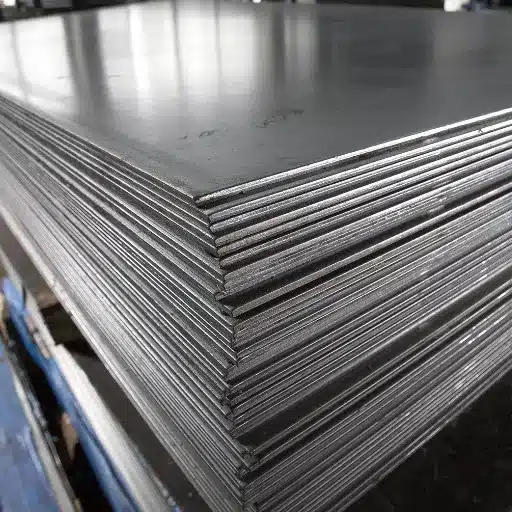
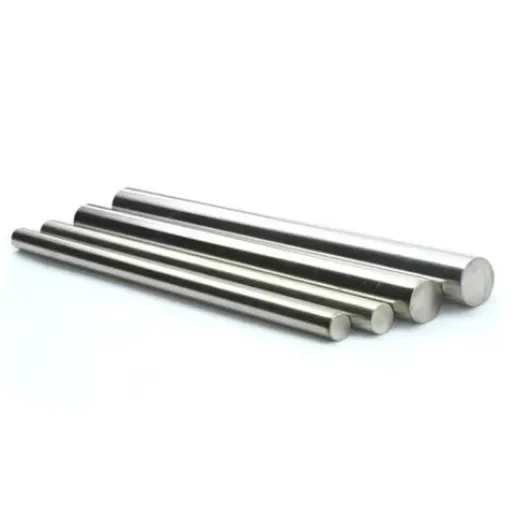
The study of stainless steel material characteristics becomes complicated because people need to learn about the 18/0 stainless steel designation. To understand stainless steel grades, customers need to learn the meaning of each numeric designation, which applies to their flatware and cookware purchases. The article will provide necessary information about stainless steel while explaining the term 18/0 and showing its comparison with common material compositions. The materials you learn about will help you make product choices because they determine how long products last, how they resist corrosion, and how they look.
Introduction to Stainless Steels
Definition of Stainless Steel
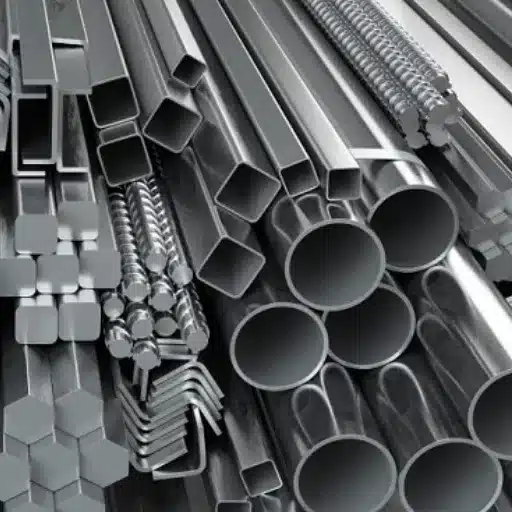
Stainless steel exists as an alloy that contains iron and chromium together with nickel, carbon, and manganese. The material provides outstanding protection against both corrosion and staining. The essential property of stainless steel requires a minimum chromium content of 10.5%, which creates a protective chromium oxide film that covers the material. The ultra-thin protective layer prevents stainless steel from developing rust or corrosion because it blocks access to oxygen and moisture. The property of stainless steel makes it appropriate for use in environments that experience both water exposure and air contact and strong chemical exposure.
The classification system for stainless steel consists of various grades, which use material composition and mechanical and chemical properties as their special identification methods. The 300 series of stainless steels contains Type 304, which includes chromium at 18% to 20% and nickel at 8% to 10.5% to achieve strong resistance against corrosion with broad usability. The 400 series, which includes 18/0 stainless steel, uses a higher chromium content at 18% without nickel to become cheaper while offering slightly lower protection against corrosion.
The toughness of stainless steel extends beyond its use in flatware and cookware. The material serves as an essential component across multiple industries, including construction, automotive, medical, and aerospace sectors. The production of stainless steel reached 56 million metric tons worldwide during 2022 because the material forms an essential foundation of current engineering and manufacturing practices. The material supports sustainability because more than 80% of stainless steel gets reused after its operational period ends.
The details help consumers make suitable choices according to their preferred product qualities, which include quality, durability, and cost when they choose stainless steel items.
Overview of Different Grades of Stainless Steels
Organizations use different grades of stainless steel, which engineers developed to provide specific performance characteristics for particular industrial uses. The primary classification of stainless steel is divided into four main types:
- Austenitic Stainless Steel
The most common stainless steel grade exists as austenitic stainless steel, which demonstrates both exceptional resistance to corrosion and high flexibility. The 304 grade serves as the most common material for kitchen products, whereas the 316 grade provides extra protection against chloride environments, which makes it suitable for marine use. - Ferritic Stainless Steel
Ferritic stainless steel exhibits strong protection against corrosion and oxidation, yet it does not match the power of austenitic stainless steel. The grade 430 serves decorative purposes and functions as automotive trim in multiple applications. - Martensitic Stainless Steel
This category exhibits strong structural integrity combined with substantial hardness capacity, yet it shows reduced protection against corrosion attacks. The 410 and 420 grades exist as important examples of this category, which people use to manufacture cutlery and surgical instruments, and various industrial tools. - Duplex Stainless Steel
Duplex stainless steels combine the strength of ferritic steel with the corrosion resistance of austenitic steel. The 2205 grade provides superior protection against stress corrosion cracking, which makes it suitable for use in both chemical processing and petroleum extraction operations.
Each grade serves specific industries and purposes, and understanding their properties helps in selecting the right material for diverse applications. The 2023 industrial market insights report, which uses current search data, shows that demand for high-performance grades, such as 316 and duplex options, has risen because of new renewable energy projects and infrastructure growth.
Importance of Understanding Stainless Steel Types
Industrial sectors, which include construction and renewable energy, need to understand all types of stainless steel. The stainless steel grades austenitic, ferritic, martensitic, and duplex display distinct material characteristics that make them suitable for different industrial uses. The 316 material grade protects against corrosion through its use in marine environments and chemical processing facilities. The oil and gas industry depends on duplex stainless steels, which include 2205, because these materials deliver both high strength and effective protection against corrosion.
According to updated 2023 online global market research, 316 stainless steel saw a 15% demand increase because offshore wind farms, desalination plants, and green hydrogen production facilities required corrosion-resistant materials. The energy infrastructure expansion, together with the increasing need for strong materials in extreme conditions, has resulted in a 10% growth in the usage of duplex grades. The current industrial development patterns show that businesses must choose the correct stainless steel type that meets their operational and financial needs.
Organizations develop sustainable solutions that operate efficiently through their equipment development process, which includes understanding material differences. The selection of appropriate stainless steel grades determines both the success and innovative capacity of businesses across all sectors, from renewable energy to heavy industry.
What is 18/0 Stainless Steel?
Elemental Composition of 18/0 Stainless Steel
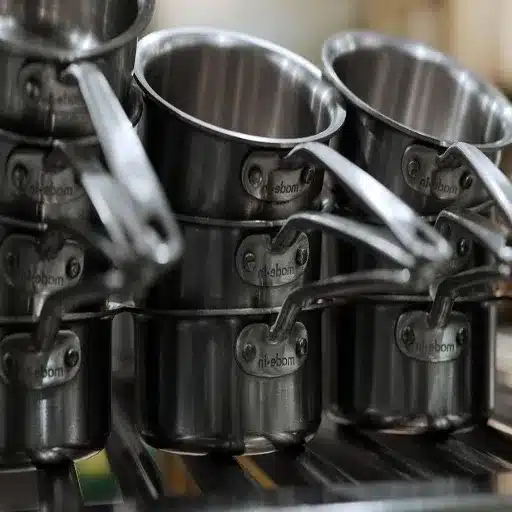
18/0 stainless steel exists as a ferritic stainless steel composed primarily of iron with an 18% chromium content and no nickel presence. The material possesses unique characteristics because it does not contain nickel, which allows for lower production costs while maintaining its ability to resist corrosion through its high chromium content.
Key elements which exist in 18/0 stainless steel include:
- Chromium (Cr): Approximately 18%
The main alloying element in 18/0 stainless steel exists as chromium because it creates a passive oxide layer, which protects the steel from corrosion when the material contacts air and moisture. - Carbon (C): Less than 0.12%
Low carbon levels maintain product quality because they increase material flexibility while reducing carbide formation, which would harm corrosion protection. - Manganese (Mn): Up to 1%
Steel production uses manganese as a small component because it strengthens the material and improves toughness while keeping its ability to resist corrosion. - Iron (Fe): Remainder
Iron serves as the main element in the material because it provides the essential structural properties that define the steel’s composition. - Additional Trace Elements:
Steelmaking processes introduce small quantities of silicon (Si) and phosphorus (P) elements, which do not significantly affect the properties of the final product.
The composition of 18/0 stainless steel enables its use in applications that require moderate corrosion resistance, which need lower cost alternatives than nickel-containing stainless steel grades. The material serves multiple purposes in kitchenware production, which includes flatware and cookware, as well as decorative elements and interior design materials. The absence of nickel in this grade creates a hypoallergenic material that protects people who are sensitive to nickel.
Comparison of 18/0 with Other Grades: 18/8 and 18/10
The stainless steel grades 18/8 and 18/10 display distinct properties because their nickel and chromium content affects their material characteristics and industrial uses. The grade description specifies the chromium content and nickel content, which constitute the material makeup. The alloy 18/8 contains 18% chromium and 8% nickel, while the alloy 18/10 includes 18% chromium and 10% nickel. The two alloys 18/8 and 18/10 belong to the austenitic stainless steel category, which exhibits exceptional anti-corrosion properties together with its durable nature and reflective appearance. The qualities of the material make it ideal for the production of premium kitchen items, which include cutlery and cookware, and food storage containers.
The absence of nickel in 18/0 stainless steel creates different properties when you compare it to the properties of 18/8 and 18/10. The material provides basic corrosion protection while being affordable because it contains no nickel but it becomes less sturdy and develops rust when exposed to extreme weather conditions. 18/0 provides the best value for money, which makes it the most common choice for products that need hypoallergenic materials or for users who are sensitive to nickel.
The research indicates that 18/8 and 18/10 grades cost approximately 50% to 100% more than 18/0 because they contain nickel, which has experienced substantial price changes in worldwide markets throughout the past few years. The cost difference between 18/0 and its competitors makes 18/0 an appealing option for people who want to save money and for manufacturing companies. 18/8 and 18/10 grades show superior performance against pitting and staining damage that occurs in humid environments and when they come into contact with acidic foods, yet 18/0 serves as a practical choice for standard usage in situations that demand less.
Applications of 18/0 Stainless Steel in Flatware
The restaurant industry prefers 18/0 stainless steel flatware because its affordable price and essential performance attributes match their operational requirements. This material serves dining needs in restaurants, cafeterias, and homes that require inexpensive yet functional dining tools. The alloy exhibits magnetic properties because it contains 18% chromium and no nickel, which allows its use with induction equipment that commercial kitchens use.
Current market research demonstrates that 18/0 stainless steel flatware has become more popular among budget-conscious consumers who live in areas that focus on affordable products. In 2023, the world produced about 58 million metric tons of stainless steel, which included a substantial amount dedicated to 18/0 stainless steel that manufacturers used to create both flatware and kitchenware products. Catering businesses and fast dining establishments use 18/0 as their reliable solution because it provides them with dependable service despite having lower durability and shine than 18/10, which contains nickel.
The material offers an environmentally friendly solution because its recyclability supports the growing international trend towards sustainable material usage. Reports show that stainless steel ranks as one of the most recycled materials worldwide, with its recycling rate exceeding 80%, which highlights the eco-friendly benefits of selecting 18/0 flatware while maintaining environmental responsibility.
Key Physical Properties of 18/0 Stainless Steel
Durability and Strength
The outstanding physical properties and toughness of 18/0 stainless steel make it a preferred material for manufacturing cookware used in restaurants and food service establishments. The composition contains 18% chromium and 0% nickel, which provides effective hardness and corrosion protection while remaining cheaper than 18/10 stainless steel, which contains higher nickel content.
Current research demonstrates that chromium content creates a protective oxide layer that protects the steel surface from rust and staining under standard operating conditions. The material shows decreased protection against intense corrosion because it does not contain nickel, which results in lower defense than materials that contain nickel, such as marine-grade and high-moisture-grade materials. The material provides sufficient strength to withstand daily wear and tear, which kitchen utensils and flatware experience during regular use.
The latest reports show that 18/0 stainless steel maintains its structural integrity until it reaches a temperature of 1500°F 815°C which makes it appropriate for use in heat-resistant products, including oven-safe cookware. The stainless steel model achieves a performance balance with environmental impact and cost efficiency because its recyclability exceeds 80%, and manufacturers and consumers prefer this option.
Corrosion Resistance
The composition of 18/0 stainless steel, which contains no nickel, provides only basic defense against corrosion. The material protects against corrosion in low-humidity environments that lack contact with acidic or salty substances. The recent study found that 18/0 stainless steel develops tensile strength that reaches 200 to 250 MPa, making it suitable for use in flatware, kitchen utensils, and decorative applications.
The grade of stainless steel used in this product lacks effectiveness for use in both marine environments and locations with extreme chemical corrosion. Manufacturers apply protective coatings to increase product lifespan, while they advise users to clean and dry products regularly to stop moisture and extreme conditions from damaging them. The material’s magnetic properties, combined with its low cost, make it the most beneficial option for applications that do not require top-level protection against corrosion.
Magnetism of 18/0 Stainless Steel
The ferritic structure of 18/0 stainless steel establishes its magnetic properties, which create its magnetic characteristics. The composition of 18/0 stainless steel contains chromium as its main element, which makes up all of its content without any nickel included. The material becomes more suitable for magnetic uses because it implements a nickel-free design, which enables its use in induction cooking systems, magnetic boards, and appliance parts that need magnetic properties.
The industry data shows that 18/0 stainless steel contains approximately 16-18% chromium, which provides moderate corrosion resistance, and it also contains carbon and other elements in trace amounts to protect its structural integrity. The material shows weaker resistance to corrosion compared to 304 or 316 stainless steel because it contains no nickel. The 18/0 stainless steel shows better performance in dry environments because it exists without corrosive elements, whereas 304 stainless steel protects against corrosion in multiple environmental conditions.
The magnetic permeability of 18/0 stainless steel, which shows how it reacts to magnetic fields, exceeds the magnetic permeability of 304 and 316 stainless steel, which exist mostly as non-magnetic materials. The material develops strong magnetic response characteristics, which make it suitable for use in magnetic cookware bases that work with induction heating systems.
The combination of low cost and strong magnetic capabilities in 18/0 stainless steel provides multiple industrial applications, but the material fails to protect against extreme corrosion conditions.
Pros and Cons of Using 18/0 Stainless Steel

Advantages of 18/0 Stainless Steel Flatware
- Affordability
The primary benefit of 18/0 stainless steel flatware lies in its ability to provide affordable dining solutions. Compared to higher-grade stainless steel options like 18/10 or 18/8, 18/0 contains no nickel, which is a more expensive alloying element. The durability of 18/0 stainless steel flatware makes it an economic solution for households and businesses that require dining utensils in large quantities while maintaining a budget-friendly price. - Durability
The absence of nickel in 18/0 stainless steel flatware does not affect its ability to withstand daily usage. The chromium content (18%) ensures good resistance to rust and stains under standard conditions, making it a practical and long-lasting option for families and commercial settings, such as catering services. - Magnetic Properties
The magnetic properties of 18/0 stainless steel enhance its functionality in certain applications. The material demonstrates magnetic properties that allow it to work with magnetic cutlery catching systems that commercial dishwashers and sorting systems use to reduce product losses while increasing efficiency for restaurants and institutional dining services. - Low-Maintenance
The appearance of 18/0 stainless steel flatware remains intact with minimal required upkeep. The material resists most stains while remaining suitable for washing in dishwashers, which helps to decrease cleaning time. Although it lacks the shiny surface found in nickel-containing flatware, its polished surface maintains an attractive appearance suitable for both casual and formal dining situations. - Health Safety
The absence of nickel in 18/0 stainless steel flatware can benefit individuals with nickel allergies. 18/0 flatware provides a safe option for those who develop skin irritation from nickel-containing stainless steel while maintaining functional capabilities. - Eco-Friendly and Recyclable
Using flatware made from 18/0 stainless steel contributes to sustainability efforts because the material can be completely recycled. The use of 18/0 flatware by consumers and businesses helps to decrease metal waste while supporting environmental protection efforts.
Disadvantages and Limitations
The stainless steel 18/0 material shows both benefits and drawbacks, which users need to evaluate before using this material. The main disadvantage of this material comes from its decreased resistance to corrosion, which it has when compared to other stainless steel materials. The absence of nickel in 18/0 stainless steel leads to higher rusting and staining risks because this material cannot resist moisture and acidic conditions, which occur over extended periods. The research results show that 18/10 and 18/8 flatware, which includes nickel, exhibits better protection against pitting and corrosion than 18/10 flatware, making it more appropriate for extended use.
The 18/0 stainless steel material shows lower durability through its surface abrasion resistance when compared to more expensive alloy materials. The tensile strength of 18/0 stainless steel shows lower values when compared to 18/8 and 18/10 stainless steel, which makes the material more vulnerable to permanent deformation through scratching during intense operational demands. The 18/0 products require more upkeep and product changes to maintain their shiny appearance, which customers seek in premium flatware products that have a polished look.
The 18/0 flatware lacks the weight and balance that premium grades provide, which results in an unsatisfactory experience for users. The fine dining industry, together with professional hospitality spaces, needs to pay attention to this matter because people form judgments about quality through visual elements. Users should evaluate the strengths and weaknesses of 18/0 stainless steel material, which provides an affordable and environmentally friendly option in conjunction with their particular requirements and actual use situations.
Cost Considerations vs. Other Grades
The cost difference between 18/0 stainless steel and 18/8 or 18/10 stainless steel grades becomes essential for making a comparison between these two materials. The production cost for 18/0 stainless steel manufacturing requires 20 to 30 percent less expense than 18/8 and 18/10 stainless steel grades because of its lower nickel content, which meets current industry standards. The nickel content in stainless steel functions as a basic component that creates materials that resist corrosion, thereby increasing manufacturing costs. The market price of nickel has maintained a consistent range between $20,000 and $22,000 per metric ton since 2023, which establishes a direct link between nickel content and production expenses for higher nickel content grades.
The budget-conscious customers and institutions that require bulk purchasing both find 18/0 stainless steel to be an ideal solution for their dining requirements in cafeterias and casual dining restaurants. The 18/8 and 18/10 stainless steel options provide better protection against corrosion and enhanced durability, which makes them suitable for high-end restaurants and luxury kitchenware, thus justifying their increased costs.
The maintenance costs plus the operation period of different material choices require buyers to assess how initial savings from 18/0 stainless steel compare with those expenses. The 18/0 stainless steel grade works for preparing low-acid food, while the 18/8 and 18/10 stainless steel grades offer improved durability that decreases replacement needs and maintenance costs for demanding work environments.
Reference Sources
-
Release of Nickel and Chromium in Common Foods – A study on the safety of 18/10 stainless steel pots, particularly for individuals with nickel or chromium allergies.
-
British Stainless Steel Association (BSSA): Cutlery stainless steel grades ’18/8′, ’18/10′ and ’18/0′ – Offers an in-depth explanation of 18/0 stainless steel, its magnetic properties, and its classification in the AISI system.
Frequently Asked Questions (FAQs)
What Does 18/0 Stainless Steel Mean?
The stainless steel grade known as 18/0 stainless steel contains 18 percent chromium along with 0 percent nickel. The material shows protection against corrosion because it contains chromium, yet lacks nickel, which makes it cheaper to produce while giving the material magnetic properties. The grade is commonly used for making flatware because it provides enough strength at a price that most households can afford. The material offers lower protection against rust and discoloration when compared to more expensive stainless steel grades.
How Do Stainless Steel Grades Differ?
The chemical composition of stainless steel grades, together with their chromium and nickel content and carbon amount, determines their performance abilities and durability traits of their material properties. The 18/0, 18/8, and 18/10 grades contain 18% chromium, which provides their corrosion protection. The two products differ because 18/8 contains 8% nickel while 18/10 contains 10% nickel. The material becomes more resistant to rust when its nickel content increases, while its luster improves, which makes the material suitable for manufacturing high-end products such as luxury flatware and cookware.
Why is Nickel Important in Stainless Steel?
The stainless steel material achieves both aesthetic appeal and long-lasting performance because nickel provides corrosion protection and enhances its shiny appearance. The flatware made from 18/8 and 18/10 stainless steel maintains its strength because nickel protects the steel from damage caused by acids, salts and moisture. Nickel creates a shiny mirror finish, which makes kitchenware more visually appealing.
Is 18/0 Stainless Steel Safe for Food?
The 18/0 stainless steel material exists as an approved safe option for food contact applications. The material functions as the primary substance that manufacturers use to create cutlery and cooking instruments. The chromium content of the material delivers basic kitchen safety through its ability to prevent moderate rusting. The material becomes more susceptible to rusting in highly humid environments because its nickel content remains lower than that of other stainless steel grades.
What Are the Maintenance Requirements for 18/0 Stainless Steel?
The maintenance of 18/0 stainless steel requires constant cleaning and drying procedures. The material in this grade experiences increased rust and stain vulnerability when it encounters extended humidity exposure and strong acid contact. The preferred cleaning method requires users to avoid abrasive cleaners and instead use mild soap with warm water. The practice of drying items and performing periodic polishing will assist in sustaining their visual appeal and operational capabilities throughout the years.
Which Stainless Steel is Best for Flatware?
The best stainless steel for flatware depends on the intended use and budget. 18/0 stainless steel is a cost-effective option for lightweight and casual dining, which provides acceptable performance at an economical price. The 18/8 and 18/10 stainless steel grades provide superior quality for everyday use because they offer better durability and corrosion resistance and their polished finish remains suitable for formal occasions.