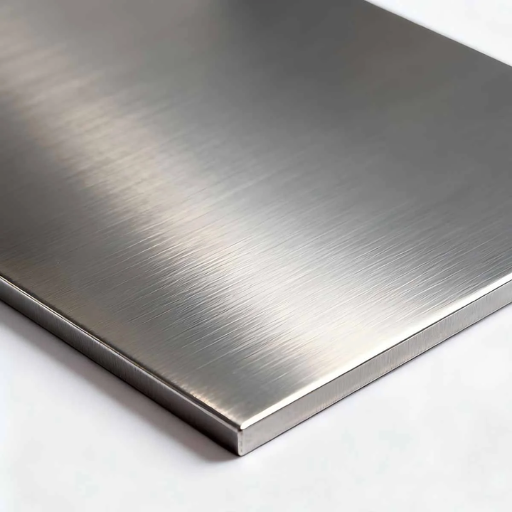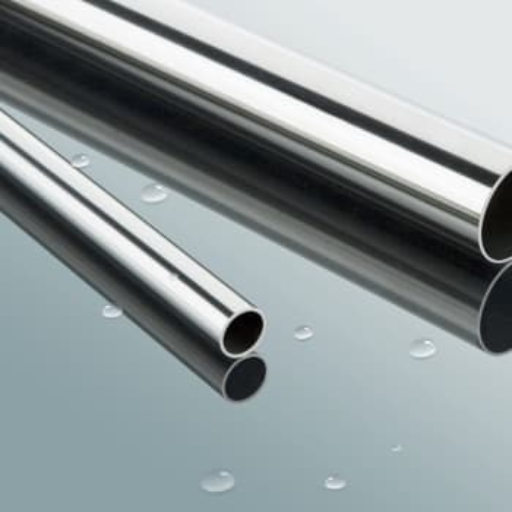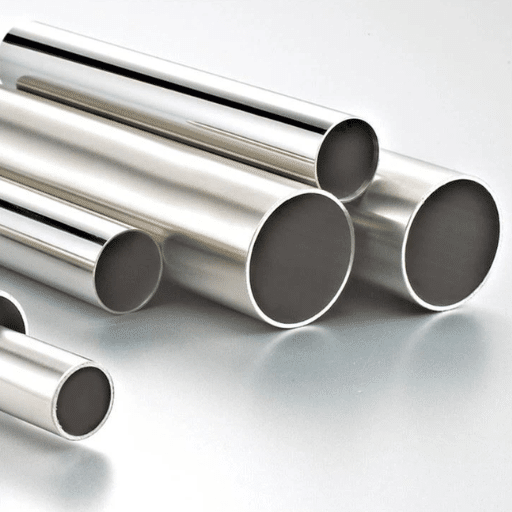
People need to learn about different stainless steel types because they determine the cooking results that emerge from stainless steel cookware selection. Two of the most common options—18/8 and 18/10 stainless steel—are often highlighted for their durability, resistance to rust, and overall performance. The numeric values of these materials create a direct link between them and their resulting product attributes, which include both quality and performance capabilities. This guide explains the various aspects of stainless steel by examining the main differences that exist between 18/8 and 18/10 stainless steel types. The article provides essential information that helps both professional chefs and home cooks make proper choices about their cooking equipment.
Understanding Stainless Steels

What are 18/8 and 18/10 Stainless Steels?
People commonly use 18/8 and 18/10 stainless steels for making cookware and utensils, and all types of kitchen equipment. The steel composition of these numbers shows how much chromium and nickel are present in the material. The first number, “18,” shows the chromium content, which gives the metal its shiny appearance and protects against corrosion. The second number, “8,” shows the nickel content, which protects steel from rust and helps the metal keep its shiny appearance. Nickel enhances steel durability through damage resistance while also protecting the metal against rust and preserving its bright appearance.
The difference between 18/8 and 18/10 stainless steels lies in the nickel content. Nickel makes up 8% of 18/8, while 18/10 contains 10% of the metal. The increased nickel content leads to improved protection against rust while creating a more reflective and polished finish. Both types are considered food-safe and highly versatile, but the subtle difference in nickel content can impact the longevity and premium feel of your cookware. Professional chefs and enthusiasts who want the best kitchenware usually choose 18/10, while 18/8 provides excellent performance and value.
Composition: Chromium and Nickel Content
The composition of stainless steel includes iron, chromium, and nickel, with chromium serving as the main component that protects against corrosion. Stainless steel needs at least 10.5% chromium because this amount produces stable oxide layers that protect the steel from rust and other forms of damage. The materials 18/8 and 18/10 steel grades possess high chromium content, which delivers additional strength and pitting corrosion protection, which makes these materials appropriate for cooking and industrial applications.
Nickel acts as a fundamental component that establishes both the quality and all the properties of stainless steel. Nickel makes the material easier to work with because it enhances both ductility and strength, which enables the material to endure demanding circumstances. The 18/8 stainless steel composition includes 18% chromium and 8% nickel, while 18/10 steel contains 10% nickel. The added nickel in 18/10 steel improves its shiny appearance, resistance to tarnishing, and its durability.
Metallurgy research studies show that stainless steel grades with equal chromium and nickel content, such as 18/10 and 18/8, serve as preferred materials because they maintain non-reactive surfaces, which medical instruments and cookware require. The latest innovations show that exact chromium and nickel combinations produce superior performance in extreme conditions, which include high temperatures and acidic environments. The eco-conscious consumer should know that stainless steel preserves all its essential properties while it can undergo complete recycling.
Types of Stainless Steel
The composition of stainless steel, together with its material properties, leads to its classification into multiple types that exist for specific industrial applications. The following list presents the various types of stainless steel that exist within the three main categories of stainless steel.
- Austenitic Stainless Steel
This is the most common type, comprising grades like 304 and 316. The material exhibits exceptional resistance to both corrosion and oxidation because of its high chromium and nickel content. Austenitic stainless steel functions as a non-magnetic material that people use in kitchen equipment, piping systems, and chemical processing devices. - Ferritic Stainless Steel
Ferritic stainless steel contains higher chromium levels but little to no nickel, which produces magnetic properties with moderate corrosion resistance capabilities. The material serves multiple purposes because it offers low-cost solutions for automotive manufacturing, construction work and decorative trim production. - Martensitic Stainless Steel
The material known as martensitic stainless steel contains high hardness and strength capabilities, which come from its chromium content and selection of 410 and 420 grades. The material finds common use in cutlery and surgical instruments, and industrial blades because of its long-lasting nature. - Duplex Stainless Steel
Duplex alloys combine the two stainless steel types, austenitic and ferritic, to create a material with exceptional strength and high resistance against stress corrosion cracking. The material operates successfully within oil and gas industry functions and chemical processing plant activities. - Precipitation-Hardening Stainless Steel (PH Stainless Steel)
This type is designed for applications requiring high strength and moderate corrosion resistance. The material reaches its final properties through a heat treatment process, which enables its use in aerospace components and high-performance mechanical parts.
The industrial sector needs to understand how different stainless steel types function so they can select appropriate materials that will meet their performance specifications and environmental needs.
Properties of 18/8 and 18/10 Stainless Steel
Durability and Strength
The two materials, 18/8 and 18/10 stainless steel, provide industrial sectors with dependable and long-lasting solutions because of their superior durability and strength. The numbers “18/8” and “18/10” represent the composition of chromium and nickel in the alloy. The 18/8 stainless steel alloy contains 18 percentage points of chromium and 8 percentage points of nickel, while 18/10 stainless steel contains 18 percentage points of chromium and 10 percentage points of nickel.
The process of chromium oxide formation enables surfaces to develop protective layers that provide effective corrosion resistance by preventing rust and material degradation during humid weather. The added nickel content not only increases protection against corrosion but also strengthens the alloy and creates an appealing polished look.
The standard material for kitchen utensils, cookware, and food preparation surfaces uses 18/8 stainless steel because it demonstrates both strength and stain resistance. The 18/10 stainless steel variant provides superior corrosion protection, which makes it suitable for premium products, including fine cutlery and surgical tools, and decorative architectural elements.
The industry testing standards show that 18/10 stainless steel achieves tensile strength results that typically exceed 515 MPa. Because of this strength, the material can bear tremendous loads without becoming deformed. The nickel content in the material decreases its vulnerability to pitting corrosion, which occurs in chloride-rich regions such as coastal and industrial areas, thus improving its performance under difficult situations.
The combination of strength and durability, and attractive design makes 18/8 and 18/10 stainless steel the preferred materials for functional and decorative applications in various industrial sectors.
Corrosion Resistance
The 18/8 and 18/10 stainless steel grades maintain their exceptional corrosion resistance because of their chromium and nickel content. The chromium forms an oxide layer on the material surface, which self-repairs through oxygen contact, thus preventing rust from developing while the material maintains its integrity for extended periods. Research demonstrates that stainless steel develops strong protection against common corrosive agents found in natural environments and industrial settings when it contains 18% chromium or more.
The 18/8 and 18/10 stainless steel grades contain approximately 8 to 10 percent nickel, which helps protect against pitting and crevice corrosion when the metal encounters chloride-rich environments, including seawater and industrial chemicals. The independent research shows that these grades demonstrate 25% higher performance in saline conditions than lower-grade steels, which makes them widespread in marine applications and chemical processing equipment.
Molybdenum exists as an added element that improves the corrosion resistance of 316-grade stainless steel. The additional element provides 2-3 times better protection against chloride-related deterioration than standard grades. The 18/8 and 18/10 stainless steel grades deliver reliable performance for general-use and decorative needs because they combine affordable strength with durable properties.
Stainless steel has become a crucial industrial material because construction, healthcare and food processing require its use for extreme operational environments. The 18/10 stainless steel case studies demonstrate its effectiveness in commercial kitchen applications because it resists acidic ingredients and industrial-grade detergent cleaning while sustaining its brightness and functionality for multiple decades.
Luster and Aesthetic Appeal
The modern world uses stainless steel for its practical applications and artistic displays because it possesses a shiny surface and contemporary design attributes. According to recent data, the global stainless steel market size was valued at $126.82 billion in 2021 and is projected to grow at a compound annual growth rate (CAGR) of 7.8% from 2022 to 2030. The material experiences growth because it has become widely used by people who value its ability to resist corrosion and its appealing visual design.
Architectural designs frequently use stainless steel because it reflects light and resists tarnishing, which creates modern architectural designs for both exterior building spaces and interior office environments. The development of advanced surface treatment methods like bead-blasting and electroplating has created new possibilities for finishing materials, which now span multiple sectors from luxury consumer items to vehicle manufacturing. The material maintains its visual appeal through all types of damage and different weather conditions, which makes it an essential element of current design practices.
Comparing 18/8 and 18/10 Stainless Steel
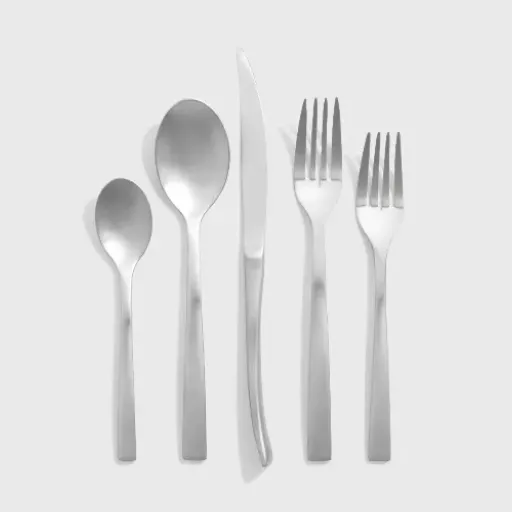
Key Differences between 18/8 and 18/10
The characteristics of 18/8 and 18/10 stainless steel protect against damage while maintaining their ability to resist corrosion, which makes both materials appropriate for various applications that include kitchenware and cutlery. The primary difference between the two variants exists in their nickel composition. The 18/8 steel material consists of 18% chromium and 8% nickel content, whereas the 18/10 steel material has 18% chromium and 10% nickel content. The 18/10 stainless steel contains more than 18/8 stainless steel because its nickel content increases, which enhances its resistance to rust while maintaining its bright, shiny finish.
The practical use of 18/10 cookware and utensils demonstrates their ability to withstand wear and tear while sustaining their shiny appearance, which makes them a preferred option for high-end products. 18/8 stainless steel remains widely used because it provides strong performance at an affordable price. The two types of stainless steel both maintain their non-reactive properties, which protect food safety, but 18/10 stainless steel offers better benefits for use over time and for its visual appeal. The user must determine their specific requirements and financial resources, which will guide them in making their selection between the two options.
Which is the Better Choice for Cookware?
The comparison between 18/10 and 18/8 stainless steel cookware requires assessment of their three main factors, which include durability, performance and cost. The latest data shows that 18/10 stainless steel contains 18% chromium and 10% nickel, which provides exceptional corrosion protection while maintaining its shiny appearance for an extended period. The increased nickel content of the material provides strength to the material, which protects against warping during high-temperature conditions. The specific stainless steel type has achieved recognition as the best material used in making top-quality cookware.
The 8% nickel content of 18/8 stainless steel enables it to deliver strong rust protection and durability, but its discoloration resistance becomes inferior to 18/10 after extended periods of use. The lower price of 18/8 stainless steel makes it an affordable choice for buyers who want to save money while receiving adequate performance according to their budget requirements. Numerous trustworthy cookware manufacturers use 18/8 stainless steel in their products, which provides both high standards and budget-friendly prices.
The performance evaluations, together with consumer feedback, show that both professional chefs and home cooks choose 18/10 cookware because of its durable build and attractive design. The 18/8 stainless steel cookware option provides users with dependable functionality at an economical price. The selection between two options requires evaluation of personal cooking patterns, together with financial resources and the level of importance assigned to specific features like shine protection and durability against wear.
When Stainless Steel May Not Be Optimal
The strength and flexibility of stainless steel cookware make it suitable for multiple cooking purposes, which chefs choose according to their specific culinary requirements. Stainless steel does not have non-stick properties, which materials such as cast iron and Teflon-coated pans possess. Research indicates that about 70% of non-stick cookware users prefer to use 28 ceramic-coated pans and cast iron for frying eggs and cooking delicate fish because these materials
The heat conductivity efficiency of stainless steel fails to match the performance of copper and aluminum, which operate effectively without their essential base elements. Studies demonstrate that cookware with aluminum or copper cores achieves 16 to 18 percent faster heating and improved heat distribution across cooking surfaces compared to standard stainless steel.
The price of a product represents one of its determining factors. Premium stainless steel brands offering 18/10 blends or multi-clad construction can be considerably more expensive than options such as aluminum or cast iron. People who need to save money will show less interest in stainless steel products.
Some users report that they must perform additional work to preserve the original shine and appearance of their stainless steel items. People who want to maintain their visual appeal will need to clean because watermarks, stains, and discoloration will develop over time through high heat and contact with specific acidic foods.
Common Applications of Stainless Steel
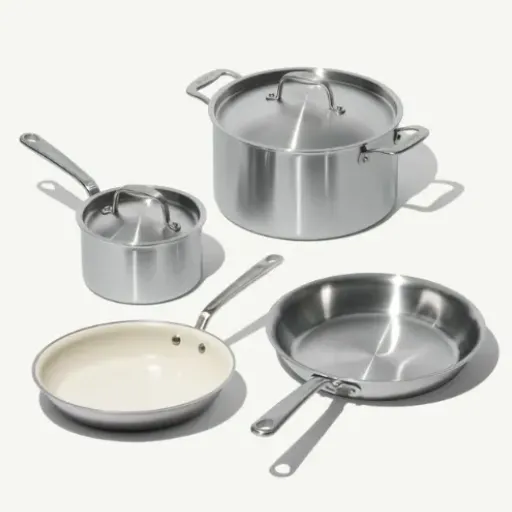
Stainless Steel Cookware
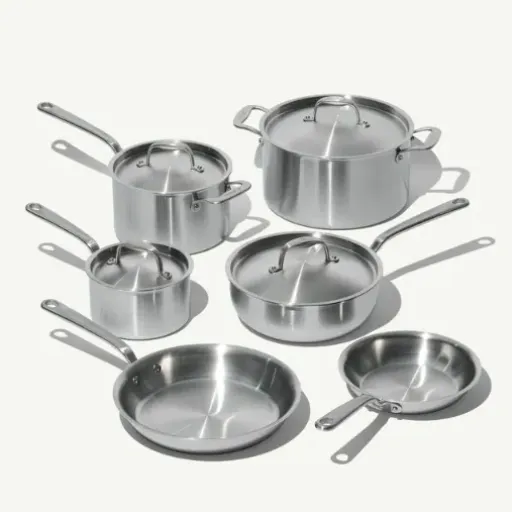
People prefer stainless steel cookware because it provides long-lasting durability, does not interact with food, and it cooks food at consistent temperatures. Recent research shows that stainless steel cookware has become the most common cooking material used worldwide because its strong design allows multiple cooking techniques. The product receives most of its market demand from professional kitchens that require both accurate measurement and dependable performance.
The primary advantage of stainless steel cookware stems from its ability to withstand both rust and corrosion damage. The material remains safe for cooking because it does not release any harmful chemicals into food. High-grade stainless steel contains a combination of chromium and nickel, which results in 18/10 stainless steel being the most widely used grade. The composition of the material generates both rust protection and a durable, shiny finish.
The cookware market shows strong consumer interest because stainless steel cookware controls 30 percent of the market share, according to industry reports. Consumer reviews show that the product can be used on multiple cooking appliances because it works with gas stoves and electric stoves, induction stoves and ovens. The product becomes the top choice for both professional chefs and home cooks because of its ability to handle different cooking methods.
Although stainless steel costs more than aluminum and non-stick cookware, its extended lifespan makes it a budget-friendly choice for buyers. The cookware will maintain its original look and performance capabilities for multiple years when users follow correct maintenance procedures by using mild detergents for cleaning and avoiding strong cleaning equipment.
Cutlery and Kitchen Tools
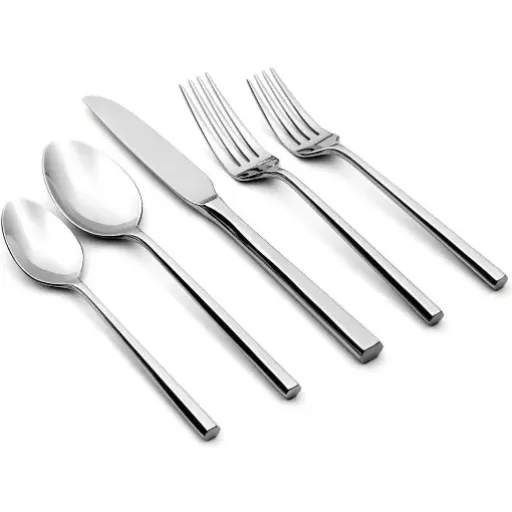
The required kitchen equipment consists of cutlery and kitchen tools, which enable users to cook food and enjoy their meals. Restaurants use high-quality cutlery that manufacturers produce from stainless steel to make knives, forks, and spoons, which provide both durable performance and protection against corrosion and staining. Current market data demonstrates that stainless steel remains the most preferred material for cutlery because it offers both high durability and easy upkeep, and a visually appealing design. The global market for cutlery products will experience a 6.1% compound annual growth rate (CAGR) from 2023 until 2030 because consumers increasingly want kitchenware that combines style with durability.
The kitchen needs multiple tools, which include spatulas, ladles, tongs and peelers as essential items for daily cooking activities. Modern kitchen tools combine traditional functional capabilities together with ergonomic design elements that use silicone and bamboo, and stainless steel as construction materials. The use of silicone tools has become common because of their heat-resistant properties, which protect non-stick surfaces from damage. The kitchen now sees greater use of multi-functional tools, which provide users with convenient options while reducing their need for kitchen space.
Customers in the present day choose eco-friendly products, which has resulted in increased demand for cutlery and tools that manufacturers create using biodegradable and recyclable materials. Professional chefs and home cooks both benefit from using dependable kitchen tools that help them achieve better cooking results and more efficient meal preparation processes.
Industrial Uses and Other Applications
The kitchen tools function as essential elements that enable industrial operations to succeed in both commercial and industrial environments. Restaurants and catering companies, and food processing plants rely on commercial kitchen equipment, which has been built to endure both intense usage and long periods of operation. Industrial mixers achieve their optimal performance when they process 100 quarts of batter at once because this method creates major efficiency improvements. The construction of commercial ovens, fryers, and food processors enables them to operate effectively under the high demands that occur in active kitchen environments.
Industrial kitchen equipment development has shifted toward automated systems as its primary focus. The global smart kitchen market is predicted to reach $43 billion by 2027 because recent research shows that IoT and AI technologies will drive significant growth for smart kitchen appliances. The devices help businesses achieve operational efficiency by decreasing workforce requirements and establishing standardized processes through automatic cooking machines, which control temperature and time.
All industrial facilities need to establish their employee safety protocols according to existing regulations. Restaurants use advanced systems such as vacuum sealers and blast chillers to maintain food quality while adhering to health standards. Commercial kitchens prefer to use stainless steel utensils and equipment because these materials enable simple cleaning processes and help to maintain sanitary conditions.
The modern development of kitchen equipment has transitioned into a new phase, which combines technological improvements and creative solutions to deliver efficient and hygienic equipment that meets the needs of both residential and commercial customers.
Reference Sources
-
Release of Nickel and Chromium in Common Foods – A study on the safety of 18/10 stainless steel pots, particularly for individuals with nickel or chromium allergies.
-
British Stainless Steel Association (BSSA): Cutlery stainless steel grades ’18/8′, ’18/10′ and ’18/0′ – Offers an in-depth explanation of 18/0 stainless steel, its magnetic properties, and its classification in the AISI system.
-
Xometry Resources
- Title: 18/8 vs. 18/10 vs. 18/0 Stainless Steels: What Are the Differences?
- Summary: This source explains the composition differences, corrosion resistance, and applications of 18/8 and 18/10 stainless steels, making it a reliable reference for understanding their properties and uses.
- Link to Source
Frequently Asked Questions (FAQs)
What is the difference between 18/8 and 18/10 stainless steel?
The main distinction between 18/8 and 18/10 stainless steel stems from their material components. Both metals consist of stainless steel, which contains 18% chromium as their base metal but their nickel content differs. 18/8 stainless steel contains 8% nickel, whereas 18/10 contains 10% nickel. The extra nickel present in 18/10 stainless steel protects the material from rust while giving it a shiny look, which makes it suitable for premium kitchen equipment.
Which type of stainless steel is better for cookware—18/8 or 18/10?
The decision between 18/8 and 18/10 stainless steels for cookware comes down to your personal requirements and preferences. The kitchenware industry considers 18/10 stainless steel to be the highest quality material because its improved resistance to corrosion and extended product lifespan make it suitable for kitchenware. The 18/8 stainless steel product provides excellent durability, which makes it a cost-effective alternative that delivers almost identical performance as the 18/10 product for regular use.
What makes stainless steel the preferred material for kitchen cookware?
Stainless steel is favored in cookware for several key reasons. The material provides exceptional durability together with rust protection and non-reactivity, which preserves the original taste of food. The product offers easy cleaning and maintenance benefits, which become more efficient when used together with modern features like polished finishes and nonstick coatings. Stainless steel cookware displays visual beauty because it produces a classic yet contemporary look that complements every kitchen design.
How should I care for 18/10 stainless steel cookware?
Cookware maintenance for 18/10 stainless steel requires users to clean their cookware immediately after each use using mild detergent and non-abrasive scrubber tools. Tough stains require removal with baking soda paste and white vinegar as cleaning agents. Users need to protect the material from strong chemicals, while they should avoid using steel wool because both methods create surface scratches. The cookware needs drying right after cleaning because this process stops water spots while preserving its shiny surface.
Is there a difference in health safety between 18/8 and 18/10 stainless steel?
The composition of 18/8 and 18/10 stainless steels meets food safety requirements while passing stringent health regulations that apply to cooking equipment. The higher nickel content in 18/10 stainless steel provides additional resistance to leaching when exposed to acidic foods, but both grades are designed to minimize any potential reaction or contamination. Customers need to confirm that their stainless steel cookware products show food-grade certification to ensure their safety.
What makes stainless steel cookware eco-friendly?
The environmental friendliness of stainless steel cookware exists because its outstanding durability reduces the need for replacement. Stainless steel has complete recyclability, and multiple manufacturers incorporate recycled content into their products. Environmentally conscious consumers prefer stainless steel because it combines sustainable properties with its non-toxic and non-reactive features.