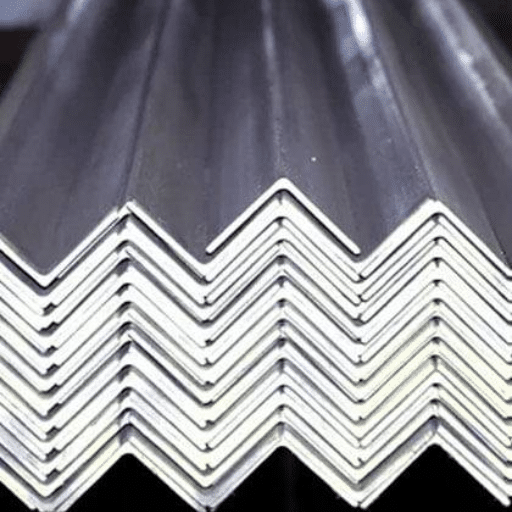
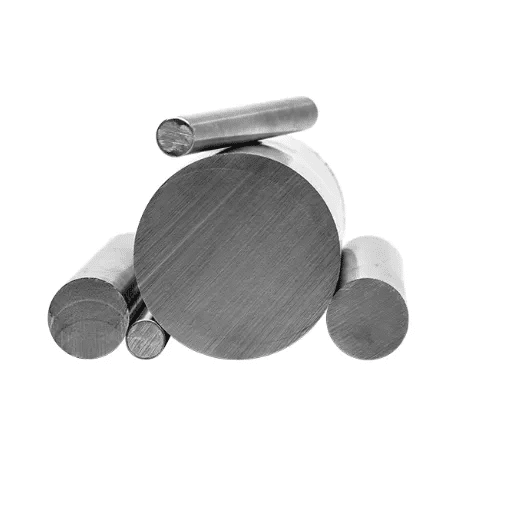
A Wisconsin dairy processor learned the hard way that specifying 304 stainless steel sheet in a chloride CIP washdown environment is a $45,000 mistake. The tanks pitted in 18 months, contaminated three production runs, and required complete replacement. The same tanks in 316L have now operated for 14 years without a single failure.
The challenges listed above are valid for both engineering and procurement levels on a daily. Push for efficiency limits in contrast to pure protection from corrosion appears. Under-specify, and you will pay dearly through replacement costs, unplanned time off, and non-compliance with authorities, among other things.
This manual encompasses all the various forms of 316, covering every possible specification, use case, and factor impacting costs. When conducting a market survey for the purchase of a sheet for a waterway construction, drug manufacturing unit expansion, or refurbishment of reactors, the user goes away knowing why it is a 316 Stainless Steel Sheet or nothing and in what manner the same should be ordered.
There is structural steel Grade 316. This 16/316 Stainless Steel Sheet has titan grade chromium content ranging between 16% and 18%, it also contains 10%-14% nickel and 2%-3% molybdenum. The content of molybdenum is sufficient to supply this specification with up to a fivefold increased chloride pitting resistance over 304’s natural state; thus, most marine, chemical, and food processing wait environments specifying unwilling and corrosion are composed of 316 instead.
Key Takeaways
- 316 contains 2–3% molybdenum, the element that separates it from 304 and delivers superior chloride corrosion resistance.
- 316L (UNS S31603) is the low-carbon variant most buyers should specify for welded fabrication; it eliminates sensitization risk without post-weld annealing.
- 316Ti (UNS S31635) stabilizes the grade with titanium for sustained high-temperature service above 450°C where standard 316L would degrade.
- ASTM A240 governs sheet and plate composition and mechanical properties; every RFQ should reference this standard.
- 2026 FOB China pricing for cold-rolled 316 sheet (2B finish) ranges from 3.80–3.80–4.80/kg; hot-rolled plate runs 3.30–3.30–4.10/kg.
- Full documentation, MTR, spectral analysis, and EN 10204 3.1/3.2 certification separates reliable suppliers from commodity traders.
What Makes 316 Stainless Steel Different from 304

The Molybdenum Advantage
The major difference between 316 and 304 Stainless Steel Sheet lies in the content of molybdenum. Between 2-3%, the element molybdenum works like a very efficient dopant against strong ions such as chloride ions, sulfuric acids, or any other highly oxidizing conditions.
In all types of stainless steel, chromium makes it stainless by forming and maintaining the presence of a passive oxide film. In 304, such a barrier withstands exposure in safe environments, drinking water, and even some chemicals.
Unfortunately, the layer is not impervious to chlorides. This either refers to people diving into a sea with a full tank of air, dredging out the water, the use of road salts or other harsh chemical agents, as in such cases, pitting begins due to the breakdown of the chromium oxide, subsequent to the ease with which chloride ions can penetrate. This is where molybdenum comes to play. It gets incorporated into the passive film as molybdate ions, which increases the thickness and speed of repair. This leads to a considerable improvement in the service period when exposed to environments containing chlorides.
The enhancement is expressed quantitatively by a so-called pitting resistance equivalent number (PREN). PREN = %Cr + 3.3(%Mo) + 16(%N). For austenitic grade 304, PREN ranges from about 18 to 20. For grade 316, it increases to a range of 23–26. This ensures a 30 to 40 percent enhancement, which applies to the entire service period of the equipment or system.
Despite fine mechanical characteristics, there is still a possibility of producing components from a thinner sheet. For 316 Stainless Steel Sheet, welded joints in general meet the requirements for nuclear constructions, and the corresponding welding processes may be applied to other constructions. For example, reinforcement in structures, as shown in Figure 3b, is easily achieved.
Chemical Composition Comparison
| Element | 304 (UNS S30400) | 316 (UNS S31600) | 316L (UNS S31603) |
|---|---|---|---|
| Chromium | 18.0–20.0% | 16.0–18.0% | 16.0–18.0% |
| Nickel | 8.0–10.5% | 10.0–14.0% | 10.0–14.0% |
| Molybdenum | — | 2.0–3.0% | 2.0–3.0% |
| Carbon (max) | 0.08% | 0.08% | 0.03% |
| Manganese | 2.0% max | 2.0% max | 2.0% max |
| Silicon | 1.0% max | 1.0% max | 1.0% max |
| Nitrogen | 0.10% max | 0.10% max | 0.10% max |
The nickel increase in 316 (10–14% vs. 8–10.5% in 304) improves austenite stability and low-temperature toughness. The slight chromium reduction is offset by molybdenum’s contribution to overall corrosion resistance. For a full 304 vs 316 comparison, see our detailed grade selection guide.
When 304 Is Not Enough: Chloride Thresholds
If your operating environment contains any of the following, 316 stainless steel sheet is the minimum responsible specification:
- Seawater or brackish water exposure
- Chloride concentrations above 200 ppm
- Regular contact with bleach, hypochlorite, or chloride-based cleaners
- Coastal atmospheric exposure within 5 km of the ocean
- Flue gas desulfurization (FGD) scrubber environments
- Sour gas service with H₂S and chlorides
In these conditions, 304 may show pitting within months. 316 routinely delivers 10–20 year service life with proper finish and maintenance.
316, 316L, and 316Ti: Choosing the Right Variant
Standard 316 (UNS S31600): When Strength Matters
Standard 316 carries up to 0.08% carbon. This is not a defect, it is an advantage in specific scenarios. The higher carbon content increases tensile strength and creep resistance at elevated temperatures. Specify standard 316 when:
- The component operates above 450°C in the unwelded condition
- Post-weld heat treatment (solution annealing) is feasible and budgeted
- Maximum strength is required in the as-supplied condition
- The application involves high-pressure structural loads where yield strength matters
Standard 316 is also typically 5–8% less expensive than 316L, making it attractive for non-welded or post-weld-annealed applications.
316L (UNS S31603): The Welding Standard
Carbon, in the case of 316L, is not allowed to exceed 0.03 percent. If this condition is not fulfilled, a defect called sensitization occurs: it consists of the precipitation of chromium carbides at the grain boundaries of the metal in a welded joint or during heating to 425–870°C. As a result, there is a loss of chromium from the grain boundaries, and hence, a corrosion-prone area is formed beside the welds.
Any welded design, including tanks, pressure vessels, fittings, skeleton structures, etc, shall be made of 316L by default. The slight cost of 316L would be outweighed by the price of post-weld solution heat treatment or premature failure charges in the field.
316Ti (UNS S31635): High-Temperature Stability
316Ti adds titanium at 5x the carbon content (typically 0.5% Ti) to stabilize the alloy against carbide precipitation. This makes 316Ti the superior choice for:
- Sustained service above 450°C where creep resistance and oxidation stability are required
- Cyclic thermal loading that repeatedly crosses the sensitization temperature range
- Applications where post-weld annealing is impossible but high-temperature performance is mandatory
316Ti matches 316L’s corrosion resistance while extending the safe operating temperature envelope. It is particularly common in European specifications (DIN 1.4571) and petrochemical heater tubing.
Selection Decision Matrix
| Application Condition | Recommended Grade | Reason |
|---|---|---|
| Welded, ambient to moderate temp | 316L | Eliminates sensitization without PWHT |
| Unwelded, high-temp structural | 316 | Higher strength, lower cost |
| Welded, sustained >450°C | 316Ti | Stabilized against carbide precipitation |
| Marine splash zone | 316L | Chloride + welding requirement |
| Pharmaceutical CIP/SIP | 316L | Sanitary welding + chloride cleaner exposure |
| Chemical reactor internals | 316L or 316Ti | Depends on operating temperature |
ASTM A240 Specifications and Mechanical Properties
Chemical Composition Requirements
The ASTM A240/A240M-24 standard is applicable to the chemical and physical characteristics of 316 stainless steel sheet and plate. This is the most critical reference that should be included in any purchase order related to steel. The chemical composition specifications are largely UNDEFINED, and UNS S31600 and S31603 designated steel grades, which are undertaken with mill certification and spectroanalysis.
Key requirements from ASTM A240:
- Chromium: 16.0–18.0%
- Nickel: 10.0–14.0%
- Molybdenum: 2.00–3.00%
- Carbon: 0.08% max (316) / 0.03% max (316L)
- Phosphorus: 0.045% max
- Sulfur: 0.030% max
Mechanical Properties Table
| Property | 316 (Annealed) | 316L (Annealed) |
|---|---|---|
| Tensile Strength | 75 ksi (515 MPa) min | 70 ksi (485 MPa) min |
| Yield Strength (0.2%) | 30 ksi (205 MPa) min | 25 ksi (170 MPa) min |
| Elongation (2 in.) | 40% min | 40% min |
| Hardness (Brinell) | 217 max | 217 max |
| Hardness (Rockwell B) | 95 max | 95 max |
316L shows slightly lower yield strength due to its reduced carbon content. For most sheet-metal applications, this difference is irrelevant. For structural plate applications where yield governs design, confirm with your engineer whether standard 316 is more appropriate.
Physical Properties
| Property | Value |
|---|---|
| Density | 8.0 g/cm³ (0.289 lb/in³) |
| Melting Range | 1370–1400°C (2500–2550°F) |
| Thermal Expansion (0–100°C) | 16.0 × 10⁻⁶/°C |
| Thermal Conductivity | 16.3 W/m·K at 100°C |
| Specific Heat | 500 J/kg·K |
| Electrical Resistivity | 74 × 10⁻⁸ Ω·m |
| Modulus of Elasticity | 193 GPa (28 × 10⁶ psi) |
The thermal expansion coefficient is approximately 50% greater than that of carbon steel. Designers must account for this in welded assemblies, expansion joints, and fixed-anchor designs.
Thickness Tolerances and Dimensional Standards
ASTM A240 defines thickness tolerances by width and thickness ranges. For cold-rolled sheet under 48 inches wide:
- 0.018–0.030 in.: ±0.002 in.
- 0.031–0.041 in.: ±0.0025 in.
- 0.042–0.059 in.: ±0.003 in.
- 0.060–0.079 in.: ±0.0035 in.
- 0.080–0.099 in.: ±0.004 in.
Hot-rolled plate tolerances are wider. For procurement, always specify whether you require ASTM A240 tolerances or tighter customer-specific limits. Zhonggongte can hold precision tolerances for critical applications on request.
Surface Finishes for 316 Stainless Steel Sheet

The surface finish of 316 stainless steel sheet is not cosmetic; it directly affects cleanability, corrosion initiation, bacterial adhesion, and weld quality. Specify the right finish for your operating environment.
2B (Mill Finish): Industrial and Chemical Processing
2B is the standard cold-rolled, annealed, and pickled finish. It is smooth, reflective, and cost-effective. 2B finish is appropriate for:
- Chemical tank linings and process vessels
- Structural brackets and supports in corrosive atmospheres
- General industrial equipment where appearance is secondary to function
- Applications that will receive additional surface treatment (passivation, coating)
BA (Bright Annealed): Decorative and Pharmaceutical
Bright annealed sheet receives its final heat treatment in a controlled hydrogen atmosphere, producing a highly reflective, mirror-like surface. BA finish suits:
- Pharmaceutical cleanrooms where particle shedding must be minimized
- Decorative architectural panels in corrosive environments
- Food display equipment and high-visibility installations
- Applications requiring minimal post-fabrication finishing
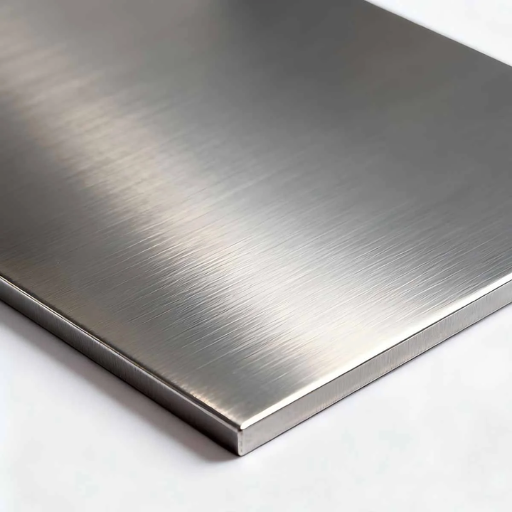
No. 4 (Brushed): Kitchen and Food Equipment
No. 4 finish uses abrasive belts to create a uniform satin appearance. The directional grain hides scratches and fingerprints better than polished finishes. Specify No. 4 for:
- Commercial kitchen surfaces, sinks, and countertops
- Food processing equipment exteriors
- Medical cabinetry and equipment enclosures
- Architectural trim where durability of appearance matters
No. 1 (Hot Rolled): Structural and Heavy Plate
No. 1 finish is the as-hot-rolled, annealed, and descaled surface. It is rough, oxidized, and requires additional preparation for corrosion-critical service. Use No. 1 for:
- Heavy structural plate over 6 mm thickness
- Components that will be machined or fabricated extensively
- Applications receiving protective coatings or linings
- Base plates and supports in non-visible locations
Electropolished: Ultra-Clean Applications
Electropolishing removes the outer skin of metal through electrolytic dissolution, leaving a microscopically smooth, chromium-enriched surface. It reduces surface area, eliminates microscopic crevices, and enhances the passive layer. Electropolished 316L is mandatory for:
- Pharmaceutical bioreactors and ATMP production lines
- Semiconductor ultrapure water systems
- High-purity gas distribution piping
- Any application requiring Ra ≤ 0.4 μm surface roughness
Applications: Where 316 Outperforms Every Other Grade

Marine and Coastal Engineering
Chloride concentrations in seawater approximate 19,000 parts per million. The breakdown of the 304 grade is rapid if used in applications below the water or in a splash zone. At elevation levels of 316L, molybdenum-enhanced passivated film, which does not allow otherwise metal to penetrate with pits or crevices in seawater except at thirty degrees Celsius or less. For seawater with a higher temperature or inert conditions, super duplex 2507 or 904L can be used, but still, for most marine equipment, or sea vessel fittings, or other structures near the sea, 316 Stainless Steel Sheet is the first cost-optimized option.
Food Processing and Dairy Equipment
The food industry uses aggressive chloride-based sanitizers (sodium hypochlorite, quaternary ammonium compounds) that attack 304. The food-grade stainless steel standards many buyers reference are based on 304, but the reality of modern CIP (clean-in-place) chemistry pushes responsible engineers toward 316L. Dairy tanks, cheese vats, and beverage processing lines in 316L withstand daily chloride exposure without pitting.
Pharmaceutical and Bioprocessing
The business of pharma requires the use of surfaces where bacterial cells cannot be retained, or shed particles generated, or interaction with any processes. In most bioreactors, purification skids and (WFI) water for injection systems, an electropolished 316L stainless steel sheet is used as a standard. It is because the molybdenum corrosion-proof, austenitic, non-magnetic, and easily cleaned electropolished 316L are all appropriate for use in gastroglobules and cannot be replaced in Paper Place.
Chemical and Petrochemical Processing
The aggressive environments comprising of sulfuric acid, phosphoric acid and organic acids, which cause corrosion of carbon steel, most often do not affect 316. Sour water, amine solutions, or hydrocarbons with chloride may be corrosive to some grades of steel. However, in petrochemical plants, 316L sheet lines those vessels’ materials. Due to the lowest levels of stress corrosion cracking observed in mild intermittent chloride liquid service, the vessel lasts longer and inspection intervals are extended.
Pulp and Paper Manufacturing
In pulp mills, chlorine dioxide, caustic soda, and sulfur-based chemicals are used in steps that are quite drastic. Digesters, bleaching units, and washers made of 316L stainless pipes effectively withstand the effects of both these chemical and physical demands. The weldability of the grade facilitates the fabrication of larger tanks in the field from sheet and plate.
Architectural Applications in Corrosive Environments
The air on the coast, inside swimming pool covers, and in tunnels is corrosive chlorides that tarnish and corrode 304. 316 panels used as facings, ventilations and supporting members are aesthetically pleasing and sound for many years. The price difference of 30 – 50 % from 304 is a bit much, but the need for replacing the 316 is not there as long as repaint takes its toll on the pocket and vice versa.
316 Stainless Steel Sheet Pricing and Procurement
2026 Price Ranges by Form and Finish
Based on current FOB China market data, 316 stainless steel sheet pricing varies by form, finish, and thickness:
| Form / Finish | Thickness Range | FOB China Price (USD/kg) |
|---|---|---|
| Cold-rolled sheet, 2B | 0.5–1.0 mm | 3.90–3.90–4.80 |
| Cold-rolled sheet, 2B | 1.0–3.0 mm | 3.80–3.80–4.60 |
| Cold-rolled sheet, BA | 0.5–2.0 mm | 4.20–4.20–5.10 |
| Cold-rolled sheet, No. 4 | 0.8–3.0 mm | 4.10–4.10–4.90 |
| Hot-rolled plate, No. 1 | 3.0–6.0 mm | 3.30–3.30–4.00 |
| Hot-rolled plate, No. 1 | 6.0–20.0 mm | 3.20–3.20–3.90 |
| Hot-rolled plate, No. 1 | >20.0 mm | 3.30–3.30–4.10 |
Electropolished sheet and precision-tolerance material command 15–25% premiums above these base ranges. Cold rolled 316 sheet in thin gauges (under 1 mm) also trends toward the higher end due to rolling yield losses.
Volume Discount Tiers
As a direct manufacturer, Zhonggongte offers competitive volume pricing:
- 1–5 metric tons: Standard list pricing
- 5–20 metric tons: 3–5% volume reduction
- 20–50 metric tons: 5–8% volume reduction
- 50+ metric tons: Project pricing with dedicated production scheduling
Long-term supply agreements (annual or multi-year) lock in pricing and guarantee allocation during market volatility.
Key Price Drivers
Three factors move 316 pricing more than any others:
- Nickel: At 10–14% of composition, nickel is the largest cost driver. LME nickel price volatility directly affects 316 sheet quotations.
- Molybdenum: At 2–3%, molybdenum adds significant cost premium over 304. Molybdenum oxide market fluctuations can shift 316 pricing independently of nickel.
- Energy and labor: Chinese energy policy, environmental compliance costs, and wage trends influence mill operating costs.
The 316 market is projected to grow at 10.9% CAGR through 2033, with food processing and laboratory equipment as leading demand segments. This growth supports long-term pricing stability but also means capacity allocation matters for large projects.
What to Request in Your RFQ
A complete 316 stainless steel sheet RFQ should include:
- Grade and standard (ASTM A240 specifications for 316, 316L, or 316Ti)
- Dimensions: thickness, width, length (or coil weight if slit coil)
- Surface finish: 2B, BA, No. 4, No. 1, or electropolished
- Tolerance requirements: ASTM A240 standard or custom
- Quantity and delivery schedule
- Certification level: EN 10204 3.1 or 3.2
- Inspection requirements: spectral analysis, mechanical testing, ultrasonic NDT
- Destination and Incoterms
The more specific your RFQ, the faster and more accurate our response. Vague requests like “316 sheet, best price” require back-and-forth that delays your project.
Quality Assurance: Documentation Every Order Should Include
Material Test Reports (MTR) and Mill Certificates
Material Test Report (MTR) is required for every bulk shipment of 316 Stainless Steel Sheet to provide chemical compositions, mechanical properties, and heat treatment condition of the material. The report should be issued whenever there are chances of substitution of the material or delivery of materials out of specification.
For each heat at Zhonggongte, all facts on chromium, nickel, molybdenum carbons, and even trace elements for the 316 and ASTM 240 are checked through direct-reading optical emission spectrometer (OES). These and other data are found in the MTR and are also provided in digitized format.
Spectral Analysis and Composition Verification
Spectral analysis is not optional for critical applications. A handheld XRF or laboratory OES reading confirms that the material on your shop floor matches the grade on the purchase order. We provide spectral analysis reports on request, and third-party verification is always welcome.
Common red flags in uncertified 316 material:
- Molybdenum below 2.0% (indicates 304 mislabeled as 316)
- Carbon above 0.03% in supposedly 316L material (sensitization risk)
- Nickel below 10.0% (corrosion resistance compromised)
EN 10204 3.1 vs 3.2 Certification
- EN 10204 3.1: Mill-test certification issued by the manufacturer’s authorized inspection representative. Confirms compliance with the order and standard. Suitable for most industrial applications.
- EN 10204 3.2: Certification validated by an independent third-party inspector who witnesses testing and verifies results. Required for nuclear, aerospace, and some pharmaceutical applications.
Specify the certification level your project requires. Do not assume 3.1 is sufficient if your end client demands 3.2, the cost of re-inspection after delivery far exceeds the upfront certification fee.
Third-Party Inspection Support
Zhonggongte cooperates with SGS, BV, TUV, and client-specified inspectors for pre-shipment verification. Inspection scope can include:
- Dimensional verification (caliper, micrometer, ultrasonic thickness)
- Surface condition assessment (visual, dye penetrant)
- Chemical composition confirmation (spectrometry)
- Mechanical property testing (tensile, hardness)
- Ultrasonic NDT for internal soundness (plate >10 mm)
Common Procurement Mistakes (and How to Avoid Them)
Specifying 316 When 316L Is Required
316 L grade costs more, significantly more than 316 grade. Customers sometimes use that to economize 5–8%. A poor bargain. Allowed to be substituted in a range of similar parts to be used in a chloride environment, a stringent timeline is specified for the materials used. The region around that fillet weld has an enhanced corrosion susceptibility. Insofar as a joint fails, it does so at the weld, which is the most inconvenient place even for a fine welder. Use only 316 L in any chloride environment weld OME LATED application, as there is no post-weld solution heat treatment unless specified in the drawing.
Ignoring Surface Finish Requirements
Ordering 2B mill finish for a pharmaceutical reactor interior is a specification error that requires costly rework. Ordering an electropolished sheet for a structural support bracket wastes budget. Map your finish requirement to your application’s cleanability, corrosion, and aesthetic needs before issuing the RFQ.
Accepting Incomplete Documentation
A supplier who cannot produce a verifiable MTR, heat number, or spectral report is not a manufacturer; they are a trader. Traders add margin without adding quality control. For critical applications, always source directly from a mill with in-house testing capability. The price difference is insurance against material failure.
Overlooking Heat Number Traceability
Each plate and sheet must have a heat number stamped on it to identify the melt, chemical composition, and production batch traceability. A heat number traceability is a requirement for ASME pressure vessels, Aerospace parts, and Nuclear applications. If a batch is found to be faulty, the heat number is the only formal mechanism available. Ensure there is a heat number marking and traceability in place in your purchase order terms.
Conclusion
There are several grades of stainless steel, including a completely corrosion-resistant sheet, and this is found in 316 Stainless Steel Sheet. It’s an ordinary alloy, but the 2–3% molybdenum content changes its character and turns it chloride-resistant and more durable than 304 others, which are used extensively in marine, chemical, pharmaceutical and food-processing industries.
While there is no real economic advantage to using 304 on upgradations, such as service life, reduced maintenance, among others, performance comparisons to 304. This is the case with more aggressive dairy industry applications, which saw a $45,000 loss due to pitting, perhaps because they did not read this particular guide.
Key decisions to take away:
- Specify 316L for welded fabrication in chloride environments
- Consider 316Ti for sustained high-temperature service above 450°C
- Reference ASTM A240 in every RFQ and demand full MTR documentation
- Match surface finish to application requirements, not aesthetics alone
- Source from a manufacturer with spectral verification and certification support
Submit your 316 sheet RFQ today, our metallurgical team will confirm the right variant and finish for your application within 24 hours.
Frequently Asked Questions
Is 316 Stainless Magnetic?
No. Just as 304, 316 is also an austenitic grade and hence it is basically nonmagnetic in the annealed state. A certain amount of strain induced martensite may be formed during cold working (rolled, bent, plastically formed) and this in turn leads to weak magnetic response in the alloy. In cases where high demand for non-magnetism exists, make sure that designated fully annealed alloys are provided, and checked with a ferritometer upon delivery.
Is it Possible to Join 316 and 316L by Welding?
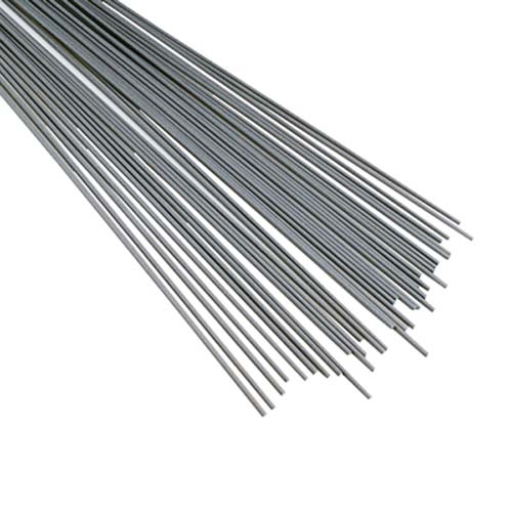
Yes. For Joining of 316 with 316L use 316L wire (ER316L.) The addition of this reduced carbon wire avoids the sensitisation of the 316 weld heat of the affected area and provides the same corrosion resistance as 316L does. Do not use 316 filler in a 316L assembly, because you come back to the carbon sensitization problem you paid extra for.
What Comes in as a 316 Sheet and and as a 316 Plate?
Thickness makes the difference. The ASTM A240 standards categorically classify any material that is less than 3mm (0.1875 in.) as a sheet, while any material that is 3mm and thicker as a plate. The sheet goes through the cold rolling process which provides more closed tolerances and smoother surfaces (2B, BA, No. 4). The plate is hot rolled and thus; has increased tolerance and is therefore number 1 milled. The mechanical properties do not vary within the same grade and condition.
How does 316SS hold up in aggressive salt corrosion testing?
316L often surpasses even a thousand hours in neutral salt fog (Per ASTM B117 without excessive pitting and/or surface staining. There is evidence of faster corrosion in 304 samples after about 200–500 hours of exposure under the same testing conditions. In extremely aggressive marine conditions, specify 316L series highly finished steel and also 317L or 904L to increase molly.
Does any regulation exist that states that 316L is acceptable to be used in food contact?
Indeed. According to the examination results, 316L is found to outstrip the standards drafted by BS FDA 21 CFR 175.300 on its surfaces that come into contact with food and also the standards composed by EFSA in Regulation 1935/2004 looking at the food contact plane materials. What is important on the other hand is that it is not only the alloy grade that makes the artworks compliant with the rules of the center but the state of the surfaces. 316L stainless steel surfaces must be electropolished or 2B finish to the Ra of 0.8 μm (31.5 micro inches) for hygienic purposes, while for the pharmaceutical industry or high-purity food industries, electropolished surfaces of Ra 0.4 μm are considered the best.
Why Is 316 Stainless Steel Sheet At Least Three And Up To Five Times More Expensive Than 304?
Three factors contribute to the premium, which are: molybdenum which is an expensive alloying element that directly increases raw material costs, molybdenum alloy, which also makes higher nickel content steel containing about 10 – 14% nickel and higher per ton consumption of nickel; and the premium is less economies of scale for rolling and processing due to the decrease in production compared to 304. The premium is meant to enhance the service life and is not simply an overcharge.
Is there a service ceiling temperature for 316 Stainless Steel Sheet?
The commonly used 316 and 316L can work under temperatures higher than 870°C (also known as 1600°F) for a long period of time as long as oxi comprehensive atmospheric condition is provided, although severe weakening happens above 450°C. 316Ti is the suitable type 316 for long term mechanical loads that exceed 450°C because it improves stress corrosion cracking resistance as well as intergranular corrosion resistance by eliminating the need for carbide phase. For short durations of exposure (scaling), 316L can withstand temperature up to 925°C.