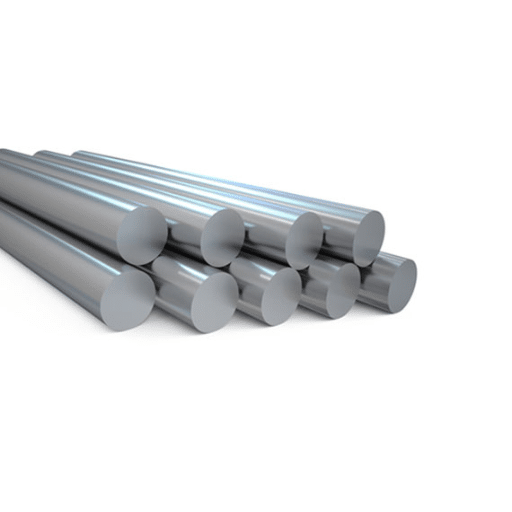
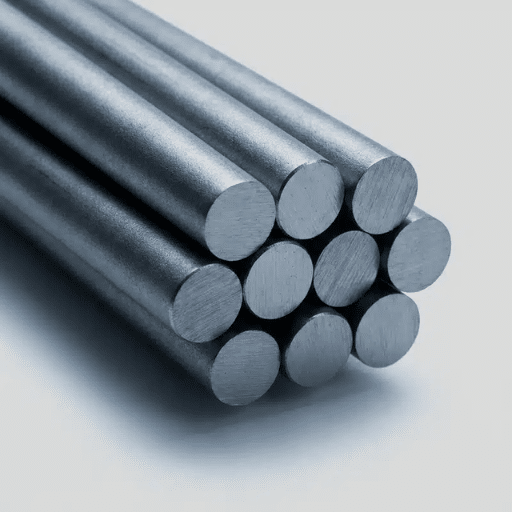
A high need for nickel steel pipes in a vast area of production industries arises from its high strength characteristics and great rust resistance. These pipes could be used and installed in any system, starting from chemical plants, aerospace engineering, or more, as long as this system seeks to increase productivity and performance under such working conditions. What makes nickel pipe a popular leader, and why is it so advantageous to apply within the real world? This article will situate the nickel pipe not in pure technical innovations but in those that can help humanity, and the paper will present its basic uses and end with a note regarding pipe manufacturing. Hence, if you are a professional in that industry, the following article will help you appreciate why nickel pipes are included in most structural forms.
Overview of Nickel Pipes
Description of Nickel Pipes
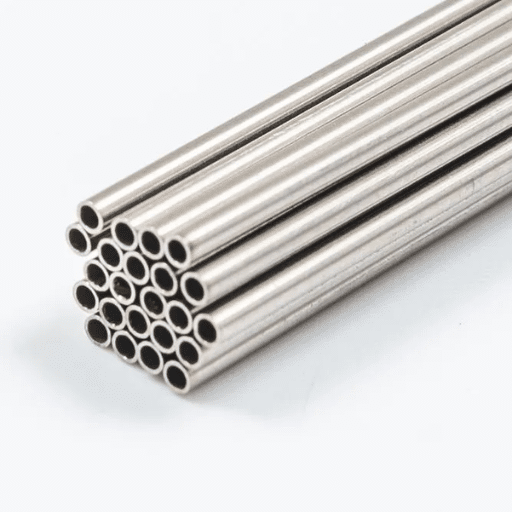
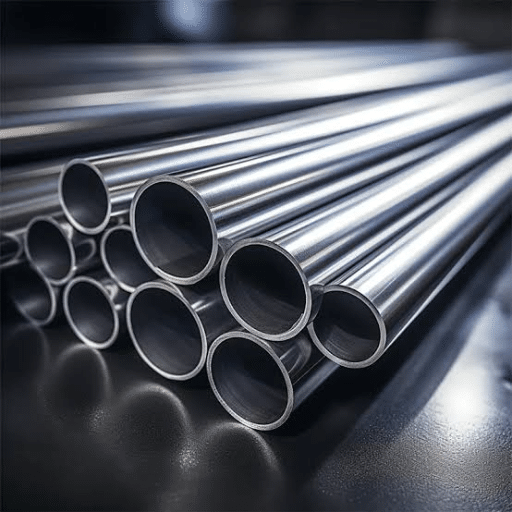
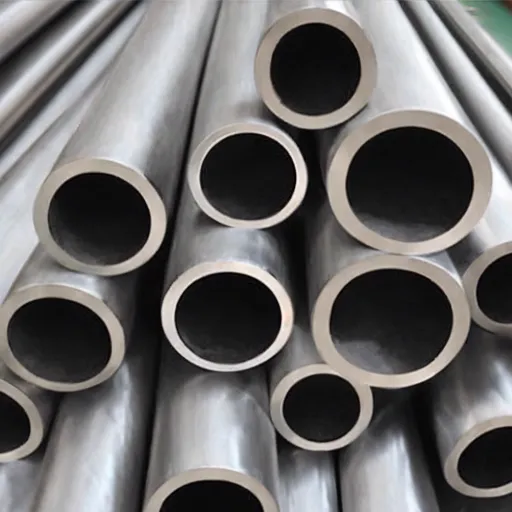
Nickel pipes indeed possess rather unique qualities, such as non-corroding, the ability to withstand extremes of temperature and forces of any nature, and so this makes them almost indispensable in any industry, and consequently, there is quite a boom in the construction of such pipes. This is a term coined to refer to making such pipes from non-corroding metals called ‘nickel’ or even nickel-based alloys, which means that there is no burning concern for chemicals in acid, alkali or water environments.
Nickel metal pipes are commonly utilized in chemical manufacture, oil and gas production, power plants, and all maritime industries. Recent studies and surveys, A200 and 201, with Monel alloys became used as nickel pipes owing to their enhanced mechanical characteristics, becoming very stable and more importantly durable. Such an alloy-like composition works specifically with alloy 200. Due to its exceptional tension-bearing capabilities, tensile strength can be worked or drawn by the alloy, with extremes between – 320 to 600 Fahrenheit. High-performance materials include Monel 400, which provides outstanding resistance to hydrofluoric acid and other caustic chemicals.
Such types of pipes can without doubt be used in heat exchangers, con- densers and in corrosive environmental pipe works. Due to the mechanical properties, these pipes function well even under harsh conditions involving very high temperatures and pressures. This is also because of the improvements in modern technologies, such as making seamless pipes and carrying out precise or what people refer to as high-accuracy, welding, which, as well as the case in the nickel pipe, is bound to have, as far as effectiveness is concerned, any purpose to be fulfilled in today’s world by industries.
Types of Nickel Pipes
Nickel pipes can be made in several variations. Each form is intended to fulfill a particular need. The majority of them is listed below with a brief description of their finest attributes.
1. Pipes manufactured from Nickel 200 and Nickel 201
Nickel 200 and 201 pipes are simple nickel pipe renditions valued for their anti-corrosion and strength performance. Nickel 200 is widely applied in places that demand pipes resistant to alkalis, whereas Nickel 201, due to a decreased carbon content, can be used at higher operating temperatures for a longer time. Additionally, these types of pipes also have applications in the food and beverage industry, as well as chemical industrial plants or marine environments.
2. Pipes with nickel and copper alloys (Monel)
There is a range of different types of Monel pipes, including Monel 400, in which copper is added to the nickel pipe. These are very clean and have a high resistance to seawater, thus, are ideal in marine engineering, desalination, and oil refining. Monel 400 piping systems are deployed in tough conditions and are therefore firm and durable for this purpose.
3. Nickel with Chromium iron Molded Pipes (Incoloy)
Examples of Inconel pipes also include Inconel 600, Inconel 625, Inconel 718, and others. The whole range of Inconel pipes are chromium and iron-containing nickel-based alloys that enable them to resist fire and corrosion in high temperatures. The applications include the aircraft and gas turbine industry, and nuclear reactor heat exchangers for high-temperature preservation.
4. Nickel Pipe of 825 Composition
This nickel alloy 825 contains nickel and iron elements along with molybdenum, therefore providing extremely good acid and basic protections also. It is common in this type of construction, in which seawater is commonly used, as well as chemical reactors, the issuance of chemicals, mining, drilling, and petroleum refining.
5. Pipes Consist of Nickel-Titanium Material
It is common to find nickel and titanium pipes, which are commonly referred to as nitinol pipes, that possess enhanced superelasticity as well as superior heat resistance. Most of these pipes are used in such technological sectors as biomedicine, robotics, and other forms of advanced engineering that demand high levels of performance.
Market Trends and Their Implications
According to the contemporary analysis, the composite annual growth rate (CAGR) of the global market for nickel pipe is expected to increase by almost 6.2% from 2023 to 2030. There is a profound uptake in the demand for nickel pipes as a result of the advances in energy, desalination plants and materials used in hostile environments. Historically, Asia-Pacific has always been the continent with the largest share of global consumption due to the ongoing industrialization and expansion of infrastructure. Essentially, these are the factors that ensure that nickel pipes have utility in the existing industries.
Comparison with Copper and Copper-Nickel Pipes
Nickel pipes have exceptional characteristics that make them better than copper pipes or copper alloys, predominantly in areas where sensitive materials are involved. This means that such piping, being resistant to chemical and erosive phenomena, performs optimally even at high temperatures or pressures as experienced in power plants and other high-pressure circulation systems. Modern forecasts demonstrate their rise in this number of years at an average of 6.5% per annum from the year 2023 to the year 2030 because of high tobacco consumption. In the next six years, the industry is expected to expand at a 6.5 percent rate every year since a great proportion of the nickel pipe products, which are usually used in the geothermal and solar plants, is on the rise.
In most refrigeration and plumbing systems, copper pipes are heavily applied because of their advantages, like easy installation, but because they are very susceptible to rust around sea water bodies, users are discouraged from using them unless in pipelines that do not span the sea, as in the case of nickel or copper–nickel pipes, which are very efficient. Between copper pipes and nickel pipes are the copper-nickel, generally considered moderate in both anti-fouling and seawater corrosion. Nonetheless, for exceptionally high temperatures, the pipes resist high temperatures such that they are made of nickel exactly because of their higher thermal stability. It is because in case of temperatures such as exceeding 600°F (316°C), the nickel pipe can be used. This places the copper and copper–nickel pipes out of order.
Costs related to the various materials is also a factor to weigh when choosing between them. Copper pipes are comparatively less expensive; nonetheless, nickel pipe provides greater longevity and require considerably less maintenance, thus making them more suitable for industrial applications, which stress durability and reliability in the long term. Based on these observations, the selection of either of the two should be anchored on performance characteristics, exposure to stress, and utilization cost.
Applications of Nickel Pipes
Aerospace Industry
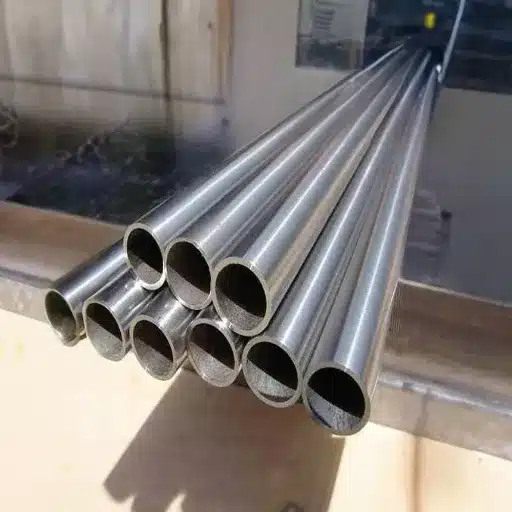
Every nickel pipe manufacturer is well aware of its importance in the aerospace industry. This is simply because its properties are, without a doubt, excellent – since the material is very strong, does not corrode, and can be used in extreme heat. With regard to this material, jet engines and their exhausts are also constructed using this particular tube. What is more, in the latest studies concerning it, it is necessary to explain that it is when the heat remains constant that Inconel high temperature tapes or materials are used because such materials do not lose their shape even at or beyond 1000 °F (538 °C) – very high temperatures. And this explains why they are used in the manufacturing of turbine blades and casings of engines, as well as afterburners.
In addition, the importance of nickel pipe is contributed to in the fact that in aerospace, it is used for fuel systems of aircraft and hydraulic lines as well. Such systems can only be constructed of chemical and mechanical conditions that are quite resistant and stable at high pressures. Aerospace industry dynamics such as these, as highlighted by some of the leading manufacturers, indicate a 20% to 30% drop in the maintenance cycles of the aircraft since such nickel alloys have been in use. It is no doubt, therefore, that the good wear properties of nickel and the subsequent engineering advancement are an essential aspect of contemporary aerospace.
Chemical Processing
The statement that nickel-based alloys play a crucial role in chemical processing appears to be realistic enough – each of the properties of corrosion resistance, heat stability, and mechanical strength enables a nickel pipe to perform properly in adverse conditions that every chemical plant is characterized by. The nickel-molybdenum Hastelloy alloy is a case in point: it is used in reactor, heat exchanger, and pressure vessel applications to withstand both oxidizing and reducing conditions.
It is forecasted that the upward thrust in the nickel alloys consumption in the chemical processing industry in quantitative terms, which can be seen in the published materials science research, will continue to grow with an annual compound growth rate of 5.5% from 2023 up to 2030. This may be ascribed to the increased demand for less costly and resilient materials in the petrochemical, pharmaceutical, and fertilizer industries. In addition to the above, the statistics also account for the fact that the facilities that have installed nickel pipe for specific components managed to cut down on the maintenance by 15 to 20 percent or more, and in this regard, are profitable.
The modern advancement of the nickel alloy technology has made it resistant to factors such as pitting corrosion, crevice corrosion, and stress corrosion cracking, also known as SCC. The background of this accomplishment is that the apparatus used in chemical plants will have a longer time of service, protection of safety while operating the apparatus, and dense conditions and circumstances where withholding of such equipment is not possible. That is why this material is called the factor material of nowadays, and the reason is that nickel pipe, otherwise known as a necessity, cannot productively contain these processes.
Marine Engineering
Seeing rapid developments in nickel pipe and tube manufacturing technologies in today’s world, the marine sector no doubt accepts it as a great blessing in developing its engineering processes due to the most adverse conditions that both ships and ocean structures operate in. The marine environment contains salt water, moisture, temperature fluctuations, and several elements that cause corrosion of metals over time and thus weaken structures built with them. Chloride-rich environments, such as seawater, present a serious corrosion problem for ordinary metals or even steels. Such corrosion-resistant nickel alloys as Monel and Inconel offer a unique solution to the problem for creating sea vessels, propellers, pumping equipment, and pipelines.
Several studies have indicated that the worldwide market for corrosion-resistant alloys used in the maritime sector will expand at a CAGR of 7% during the period between 2021 and 2028. This is a reflection of the growing importance of advanced materials such as nickel alloys to cope with hulls and other surfaces subjected to very harsh marine environments. Furthermore, the strengthening of the nickel pipe in components such as heat exchanger pipes increases the usable life of the plant and almost eliminates the need for any other kind of maintenance.
New coatings and increased use of nickel alloys have emerged as some of the major areas of concern while doing more research on how to improve the protection of marine equipment from corrosion. These developments make marine operations safer, more efficient, and environmentally friendly due to the elimination of unnecessary wastage of materials and the use of extra energy.
Benefits of Nickel Pipes
Corrosion Resistance
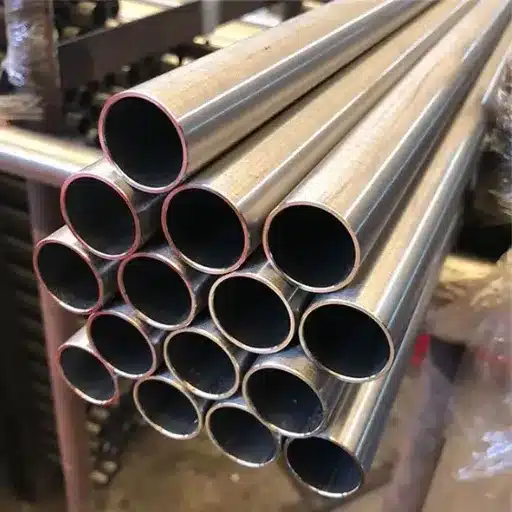
One of the most essential aspects of nickel pipe and tubing is its superior corrosion resistance properties. It does not easily rust and can be used in severe marine environments, applied in chemical industries, and in adverse environmental conditions. In addition, the nickel undergoes passivation with the formation of an oxide layer, and such chemicals do not penetrate the metal in this condition. This applies to acidic, alkaline, and even seawater solutions. In general, there are nickel alloys known as Monel and hastelloy which are very aggressive resistant materials that, after an extended period in very aggressive medium conditions, may still retain above ninety percent of their strength.
The consensus that is shared by economists and scientists includes that the cost of corrosion incurred by the various industries as a result of hundreds billion dollars of damage every year, that in the USA, for example, NACE International gives $2.5 trillion as the approximate extent of the re-spenders globally. Sure, a lot of nickel used in pipes and other apparatus would prevent such unnecessary expenses of industries. Moreover, systemic arguments stand in studies with support in findings of a 40 percent longer life span of nickel pipe alloy as contrasted with the steel standard, and therefore getting down maintenance and replacement costs of the same.
Strength is another aspect that hits such advantages as high tensile strength and also above average thermal expansion of nickel pipe enable it to be used efficiently under varying imported temperature changes, including low, precisely cryogenic and high temperatures. Thus, these types of advances make these sorts of pipes utilized in certain industries, aiming to help youths perform well in efficiency, prolonged durability, and cost effectiveness where applicable.
High-Temperature Strength
Nickel pipe fittings have shown great strength and remain stable even at very high temperatures. Existing market figures show the effectiveness of nickel alloys in service conditions of more than 1,800°F (982°C), and because of this, apart from a few exceptions, these metals may be used readily in manufacturing power plants, chemical industries, and aircraft. This ability to withstand such extreme temperatures is largely attributed to their availability, being non-expansive and non-oxidative, which prevents the parts within their limits while subjected to a hot environment.
In addition, ultra-high capacity of nickel-based stainless steel and nickel pipe has gained strength in modern studies. Indeed, the use of one of the modern industrial engineering Nickel 625 alloy with technological advancement results in an ultimate tensile strength of 120 pounds per square inch and a yield equal to 60 pounds per square inch. Thus, it is impossible not to use single-wall or coiled tubes of small nominal diameters of nickel pipe and its variations in cases where high temperaturer and pressures are encountered. Performance properties not only support operational safety use, but they also support equipment durability since improvement guarantees expansion of the exploitation period.
Comparison with Other Materials
The efficiency of nickel-based alloys like Nickel 625 becomes obvious when comparing them to other materials that are deemed more versatile, like stainless steel and titanium alloys. Nickel alloys are best in high-temperature and high-pressure environments. Take, for instance, stainless steels, which have tensile strengths of approximately 75 ksi to 100 ksi and yields in the range of about 30 ksi to 50 ksi, whereas Nickel 625 exceeds those limits with a tensile strength that reaches about 120 ksi and a yield of 60 ksi. The improvement in the weight ratio allows more metallic systems to last in nickel pipe environments.
Nickel alloys are common in many industries such as chemical processing and marine sectors, because the materials offer effective resistance to the chemical actions of acids, alkalis, salts, and so on and so forth. However, titanium alloy is very heavy and able to resist multiple types of corrosion but wear becomes a limitation because, compared with nickel, it is more easily worn when used in extreme heat areas. Although aluminum is cheap and lighter, most industrial operations do not use it due to its insufficient strength or high-temperature properties.
In addition to that, Nickel alloys such as Nickel 625 have a high tendency to be welded and formed, thus reducing the probability of damage while being manufactured. Together, medications minimizing chances of breakage during fabrication, their higher compressive strength, good operability under severe conditions, and increased service life are the reasons most people seeking advanced applications prefer nickel pipe.
Manufacturing Processes
Raw Material Sourcing
Nickel, chromium, molybdenum, iron, and a few other elements can be found in nickel-based alloys for nickel 625; however, sourcing some of these alloying nickel is crucial, which significantly influences the pricing and supply of these alloys. Indonesia, the Philippines, and Russia, among others, are the leading suppliers for nickel all over the world. Global production of nickel was close to 3 million tonnes in the year 2022 effect many current industries, and also due to even higher displacementicular demand and growth emanating from the production expansion needs for EVs.
These properties of the alloy, which are the corrosion and strength capabilities within high temperatures, remain intact following the inclusion of chromium and molybdenum. These goods are frequently acquired from several nations with promising mineral deposits, such as South Africa, Kazakhstan, or China. Sources within the field have indicated that over the years, molybdenum prices have been quite volatile as the product has been in short supply yet in quite high demand, thus the price was in the range of 40 dollars per kilogram in recent decades.
The state of raw material supply chains is very much about taking care of the environment and sourcing raw materials in an ethical manner. As such, several organizations have put in place proactive strategies to ensure that the process of acquiring minerals is eco-friendly from a business point of view. More so, due to advances in recycling, producers managed to retrieve large quantities of nickel and the rest of exotic elements, including nickel, from the residues in order to cut costs and enhance sustainable development.
The usage of nickel pipe alloys is projected to rise proportionally to the increase in energy, aerospace, and marine end-user industries. They will, however, with a compound annual growth rate of 4.5 percent between now and the next 10 years, be expected to grow, and hence the need to streamline the raw material supply.
Production Techniques
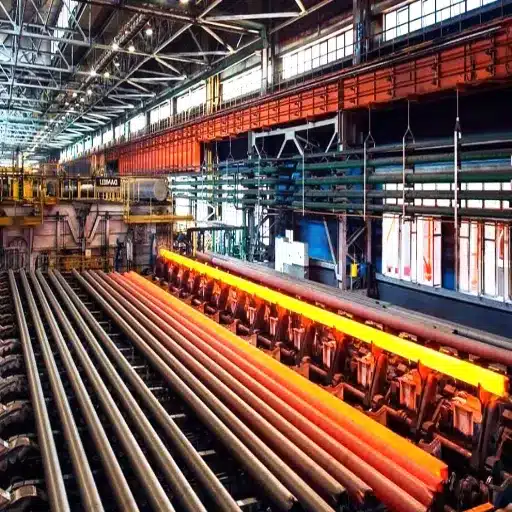
Pyrometallurgical and hydrometallurgical processes are commonly used today and are the main methods through which nickel is usually obtained. The methods utilise different approaches with pyrometallurgy using high heat processes such as smelting and refining, which are mostly used with sulphide ores. In hydrometallurgy, however, laterite ores, nickel being one, are usually subjected to leaching or electrowinning. Why the difference is that the laterite contains water-soluble deposits. Most of the changes have been geared towards the optimization of the process in order to make it more convenient for the environment and more cost-effective, thereby saving energy.
The world produced about 3.3 million tons of nickel in 2022 and Indonesia had the highest share of this metal at 47.7 percent, as it is commonly referred to. Newer process technologies, such as the high-pressure acid leaching (HPAL) of the laterite ores found mainly in South-East Asia, which has increased in recent years has increased nickel pipe production. Additionally, green practice with significant returns has included smelters going with carbon capture in order to reduce the amount of carbon.
The issue of recycling has also been regarded as a necessary aspect of manufacturing nickel. The data shows that about 42% of the nickel used in Europe is recycled, emphasizing the ease of usability of the metal and the efficiency of the whole metal production system. Furthermore, such strategies also confirm the objective of the metallurgical industry towards the volume increase in production, the material consumption through recycling and end users’ expectations of metal nickel pipe manufacturing.
Quality Control and Inspection
Control quality and material insight are vital elements in all metal manufacturing industries, including nickel. This practice helps verify the compliance of such material with standards set by the customers and the industry. Techniques such as laser-induced breakdown spectroscopy (LIBS) and X-ray fluorescence (XRF), which are for analyzing the precise composition of nickel and nickel-based alloys, have been around for a while. It also stated that this procedure is capable of measuring samples within a few seconds so that the process of control in the manufacture of goods can be a continuous one.
Again, magnetic particle inspection and ultrasonic inspection are often referred to as nondestructive testing, which is yet another variant of systems that are also used extensively for characterizing nickel layers and nickel pipe. The geographical economic understanding provides that, as per applications, the need of quality assurance equipment devoted to the utilization of nickel in such specific fields as aerospace, automotive, and energy storage is growing at an annual pace of 6% approximately.
It is worth mentioning that the ISO 9001 specifications act as a reference point for quality systems in the production of nickel, and the number of manufacturers immensely using digital technologies by means of IoT devices or even artificial intelligence (AI) to increase process automation and ensure data collection precision, is rapidly growing. With these technological developments, they aid the producers in minimizing waste, enhancing product quality, and compliance with standards, which is, in fact, a great help for supplying high-standard quality nickel pipe.
Maintenance and Best Practices
Practical Maintenance Tips
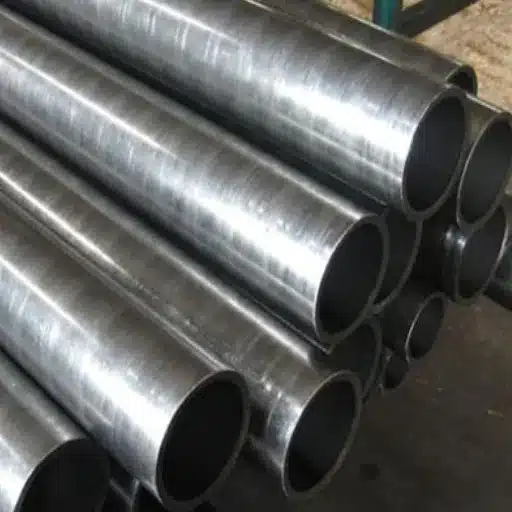
Achieving the best results in the usage of Nickel products depends on numerous factors, which can be summarised as support, maintenance and the right way of handling. When the right maintenance method is applied, it is possible to enhance consumption and increase the benefit that would otherwise accrue using a given nickel system. The following rules are general guides for proper maintenance:
- Cleaning: This is important because surfaces do accumulate dirt if not cleaned. For instance, the metal objects with nickel tensile and strength levels are always cleaned with regular soap and warm water, and never with anything abrasive that will let powder or sprayed grip clings on the nickel pipe.
- Assess the Rust Level: Although nickel is a non-corrosive metal, it is a metal subject to deterioration, as a result of which its components require maintenance, particularly components operating in harsh or corrosive environments or operating in seawater. There was a further source of data that demonstrated that such factors as corrosion accounted for approximately 2.5 trillion of the world’s currency, with such numbers driving such interventions.
- Lubricants and protection inserts: All moving parts made of nickel pipe should be supplemented with high-range lubricants to avoid losses due to friction and subsequent wearing of components. In addition, elements intended to protect loaded structures during harsh maintenance periods are also an optional addition.
- Frequent Surveillance of IoT-Implemented Sensors: Currently, IoT sensors can be affixed to any nickel pipe or appendage for unremitting surveillance. These sensors keep track of various aspects such as temperature, humidity, operational efficiency and so on, so that any problems can be pinpointed quickly and the faulty elements can be maintained as necessary, factors which ultimately shorten the period of maintenance.
- Observance of Functional Boundaries: The limits of operations, such as operative temperatures, operative pressures, or uses, should not go beyond those recommended by the producer of the equipment. According to the latest statistics collected, 35% of material failure is attributed to the non-adherence to these parameters.
Within the bounds of environmental standards, the manufacturing sector will have a good chance of economizing on nickel content thanks to the opportunity of using the above- mentioned practices and other factors. There is a great potential in improvinthe g efficiency and effectiveness of the nickel pipe network, which calls for the adoption of proactive measures and the development of science in the present-day world.
Common Concerns and Solutions
A fundamental issue with up-to-date equipment utilizing nickel pipes is corrosion. The given case is characteristic of all applications where such systems are operated under extreme conditions. As per a recent review, erosion has led to almost a quarter of the machines used in industry being damaged all over the world. Various measures have been suggested to solve this problem and among them are stainless nickel alloys such as Inconel, Monel, and other available materials that are non-corrosive or oxidizing even at high heat or in different chemical environments
Another issue that is emerging is the rising cost of nickel due to the changes that the global market of demand and supply is experiencing. According to the London Metal Exchange, nickel prices have moved up by more than thirty-five percent from two years ago, owing to the stainless steel industries and the electric vehicle battery industry. As a result of the high cost of nickel, companies are turning to reusable nickel materials, such as nickel pipe, and expanding the sources available.
In addition to that, nickel pyrometallurgy received negative feedback due to high energy consumption and the depletion of the environment, which is what it represents. It is touted that these concepts, such as using ‘eco-friendly’ mining options and water recycling, will effectively reduce the impact that is already taking place in the environment by thirty percent. Nickel pipe companies have grasped technology-based monitoring systems that help to minimize such emission leaks and consumption of resources, especially when regulatory forces are advocating for stricter environmental policies.
Customer Experiences and Feedback
In the modern consumer-driven era, companies that promote themselves as green businesses are highly sought after. For instance, sustainable consumption hits the mark of 70% of customers who would stick to such marketing despite the higher cost, as McKinsey highlights another integral example of this consciousness. More so, micro initiatives on forums of a special kind where people vote, and a few persons come to such forums of all customers’ rating direct marketing also appreciated: why are strategic practices developed campaigns implement the rule, special ones include those ‘hiding’ do not usually appear on the top pages, or rather on the mid-end nickel pipe readily accessible.
Research, too, was shown to be very helpful in the branding process since business partners are catering to the requirement of sustainable mining. This has been the case in situations where different companies adopt non-traditional practices like non-utilization of nickel pipe many times, and there is then an average improvement of the customer’s loyalty towards the rate of the competition. In addition, the use of some more water recycling systems helps the ecosystem and reduces operational expenses by at least 15%. The share of respondents who prioritize the degree of eco-friendliness of the goods is about 62%, and hence, such goods in the form of digital monitoring systems are promoted to enhance the trust of the consumers on the brand transparency.
Reference Sources
-
Nickel-containing alloy piping for offshore oil and gas
This document discusses the use of corrosion-resistant nickel alloys in piping, highlighting their feasibility in reducing pipe size and improving performance.
Read more here -
L-PBF Ni-201 Feasibility Study Materials Characterization
A NASA report that explores the feasibility of Ni-201 material, including tensile testing results and defect state improvements.
Access the report here -
Copper-Nickel Pipes Market: Expert Analysis by Size and Growth
This market research report provides insights into the growth, challenges, and drivers of the copper-nickel pipes market.
Explore the analysis here
Frequently Asked Questions (FAQs)
What are the primary applications of nickel pipe?
Nickel is a versatile industrial material. It is used for many purposes because it is very resistant to corrosion, high temperature, and also highly durable. For example, in chemical processing, it is used to contain corrosive chemicals, gas lines in oil fields, and many other such things are exposed to aggressive environmentsuch as, such as steam turbines for power plants. Despite these functions, nickel pipe also finds use in fields like desalination and the production of medical devices due to its hygiene and non-fouling nature.
Why do most people prefer using nickel pipe on certain occasions over other materials?
Nickel pipes have a range of application benefits, such as withstanding oxidative and stress-corrosive environments, particularly at heightened levels of these factors. It takes a wide range of temperatures and allows for better maintenance planning as longer use is anticipated. It is also easy to make it necessary as per the design because it is a ductile material – customizations are easy this way, and that is why nickel pipe is very suitable, especially for industries widely regarded as highly critical like aerospace and the marine world.
How do the manufacturers create a nickel pipe?
Making nickel pipes requires high levels of precision through many processes consisting of extrusion, cold drawing, and welding, amongst others. The first step in creating seamless pipes involves melting the nickel alloys, molding them into billets, heating them, and afterwards extruding them. Seamless pipes are created using cold drawing in order to make it possible to adjust thickness and dimensions with precision. There are certain situations However where some nickel pipes are weld manufactured by getting the shape of sheets of nickel alloy and welding the edges to one another. Other sophisticated methods ensure that the pipes are in line with high-quality and performance standards.
Why is the use of nickel pipe in industrial activities considered eco-friendly?
Nickel pipe usage has sustainability benefits, mainly from increased effectiveness and reduced ability of materials to deteriorate, which means a lower rate of replacements. Their long-lasting quality prolongs the life span of different systems in industries without inputting much resources. Furthermore, nickel-based materials can be remanufactured, thus giving industries a chance to recover materials and use them again, which is environmentally friendly. Take, for instance, the application of nickel pipes in the water recycling systems; it enhances the efficiency of water resource utilization without compromising the stability of the systems.
Are there any other types of nickel alloys that are used for manufacturing pipes?
Yes, there exist nickel alloy pipes, and they come in different categories depending on their application. Monel, for instance, is very suitable for seawater applications because it is extremely resistant to the corresponding form of corrosion and it is a very strong metal. Inconel, for example, is the most suitable alloy for structural purposes in the following industries: the construction of jet engines and power generators, which experience excessive temperatures, therefore, require that alloy. Similarly, Hastelloy has advantages suitable for high-temperature corrosive or oxidative environments. The alloy is selected either for those environments or for its properties.
What are some considerations in choosing nickel pipe for one’s designs?
It is important to assess numerous aspects, such as the temperature of use, the chemicals that could damage the pipe, and the physical forces acting on it. It is also important to take into account the cost of acquiring the ore within a 10% margin and its suitability each time with the neighboring materials. Root and branch policies are in many cases used by the designers and engineers before selecting any nickel pipe for the project to avoid any complications regarding safety, effectiveness and environmental friendliness of the equipment.