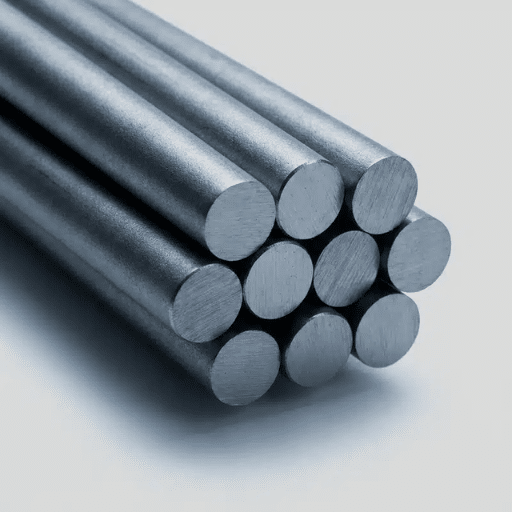
The best Hastelloy for chemical processing is never “Hastelloy” alone. It is C-276 for mixed and unpredictable acid streams, C-2000 for hot sulfuric acid, C-22 for oxidizing chlorides and wet chlorine, and B-2/B-3 for clean hydrochloric acid. Specify the grade to the environment, not the family to the purchase order, and your reactor, heat exchanger, or piping will last for decades instead of months.
A procurement manager who writes “Hastelloy” on a requisition has specified almost nothing. The five alloys that share the family name are engineered for different chemical environments, and picking the wrong one is expensive in opposite directions. Over-specify, and you burn capital on C-2000 where a duplex or an Alloy 20 would have survived. Under-specify and you trust C-276 in pure reducing hydrochloric acid, where it corrodes, or B-2 in a stream with trace iron, where it fails catastrophically.
This guide maps the chemical process streams you actually run- hydrochloric acid, sulfuric acid, phosphoric acid, wet chlorine, and mixed oxidizing-reducing media- to the right Hastelloy grade, the right equipment form, and the governing ASTM specification. You will leave with an environment-first decision method plus the certification checklist your quality team needs before a single dollar is spent.
Key Takeaways
- Hastelloy C-276 (UNS N10276) is the chemical processing workhorse: broad oxidizing and reducing resistance, as-welded service without post-weld heat treatment, and a 50-plus year industry track record.
- For hot sulfuric acid in the 40% to 80% range, Hastelloy C-2000 (UNS N06200) outperforms C-276 by roughly 3 to 10 times because its copper addition keeps the alloy passive where C-276 sits borderline.
- Hastelloy C-22 (UNS N06022) is the choice where strongly oxidizing conditions meet chlorides, such as wet chlorine and chlorine dioxide service.
- Hastelloy B-2/B-3 (UNS N10665/N10675) are the reducing-acid specialists for clean hydrochloric acid, but they fail rapidly if oxidizers such as ferric ions, dissolved oxygen, or nitric acid enter the stream.
- The operating environment, not the grade name, decides the answer. Aeration and trace oxidizing contaminants can flip a reducing stream oxidizing and destroy a B-grade.
- For large vessels, Hastelloy-clad carbon steel captures most of the corrosion benefit of solid alloy at a fraction of the cost.
- Certified supply matters in chemical processing: ASTM B575 plate, B622 tube, B574 bar, NACE MR0175 compliance, and a mill test report on every batch.
What Is Hastelloy and Why Chemical Plants Specify It

Hastelloy is the trade name for a family of nickel-based corrosion-resistant alloys, and it is the material chemical plants reach for when stainless steel fails. Where stainless steel is an iron-based alloy that protects itself with a thin chromium-oxide passive film, Hastelloy is roughly 50% to 70% nickel. The high nickel content lets the alloy resist both oxidizing and reducing attack, while large additions of molybdenum and chromium defend against chloride pitting, crevice corrosion, and stress corrosion cracking. Nickel alloys of this type are essentially immune to the chloride stress corrosion cracking that destroys austenitic stainless steel in hot chloride service.
The specific chemistry is what separates one Hastelloy grade from the next. Molybdenum is the strongest lever against pitting and reducing acids. Chromium builds the passive film that resists oxidizing acids. Tungsten adds strength in hot chloride service, and copper, added only in C-2000, stabilizes passivity in sulfuric acid. Chemical processing engineers choose among these levers every time they write a material specification.
| Element (nominal) | C-276 (N10276) | C-22 (N06022) | C-2000 (N06200) | B-2 (N10665) |
|---|---|---|---|---|
| Nickel (balance) | ~57% | ~56% | ~59% | ~69% |
| Chromium | 14.5-16.5% | 20-22.5% | 22-24% | 1% max |
| Molybdenum | 15-17% | 12.5-14.5% | 15-17% | 26-30% |
| Tungsten | 3-4.5% | 2.5-3.5% | – | – |
| Copper | – | – | 1.3-1.9% | – |
| Iron | 4-7% | 2-6% | 3% max | 2% max |
| Carbon (max) | 0.01% | 0.01% | 0.01% | 0.01% |
Nominal composition ranges per UNS and ASTM specifications. Always verify the exact heat chemistry against the mill test report.
Read the molybdenum row, and the whole design logic appears. Stainless steel tops out near 3% molybdenum in 316L. Hastelloy C-grades carry 13% to 17%, and the B-grades carry 26% to 30%. That is why a nickel-molybdenum alloy shrugs off acid streams that dissolve stainless steel in months. For a complete inventory of the grades we produce and stock, see our Hastelloy alloy guide and our nickel-based alloy range.
The Question That Starts Every Grade Choice: Oxidizing or Reducing?
Before any corrosion table makes sense, you need one piece of process information: is your stream oxidizing or reducing? Chromium answers the oxidizing half, forming and repairing a passive film in aerated acids and oxidizing salts. Molybdenum answers the reducing half, resisting attack in deaerated acids where no passive film can form. Every Hastelloy grade is a deliberate balance of these two elements.
The trap is contamination. A “reducing” stream can turn oxidizing in an instant if ferric ions, cupric ions, nitric acid, or dissolved oxygen enter it. That single shift determines whether a B-grade survives or dissolves. Corrosion engineers say it plainly: you select on the datasheet, but you verify against the actual stream, including its trace impurities.
Hastelloy for Chemical Processing: Environment-to-Grade Selection
The table below is the working tool for this article. It starts with the chemical environment, names the primary grade, explains why, and flags what to avoid. It is the shortcut engineers use before they pull out isocorrosion charts.
| Process environment | Primary grade | Why | Runner-up / avoid |
|---|---|---|---|
| Clean, deaerated hydrochloric acid | B-2 / B-3 | 26-30% Mo resists HCl across concentrations | Avoid C-grades for pure reducing HCl |
| HCl with oxidizers (Fe3+, Cu2+, air) | C-276 | Chromium tolerates oxidizing contamination | Avoid B-grades entirely |
| Hot sulfuric acid, 40-80% | C-2000 | Copper keeps the alloy passive | C-276 is borderline here |
| Wet chlorine, chlorine dioxide, hypochlorite | C-22 | High chromium resists oxidizing chlorides | C-276 acceptable; avoid B |
| Mixed oxidizing-reducing, unknown chemistry | C-276 | Broadest spectrum, “when in doubt” default | C-22 if strongly oxidizing |
| Phosphoric acid with impurities | C-276 / G-30 | Resists contaminated commercial acid | 316L and duplex fail |
| Seawater and hot chloride heat exchangers | C-276 | Tungsten strengthens hot-chloride resistance | C-2000 also suitable |
| Sour gas and NACE MR0175 service | C-276 | Qualified, annealed condition | Match to H2S partial pressure |
Hydrochloric Acid and Reducing Service: The B-Grade Answer
Clean hydrochloric acid is the domain of the nickel-molybdenum B-family. Hastelloy B-2 (UNS N10665) and its weldable successor B-3 (UNS N10675) carry 26% to 32% molybdenum and almost no chromium. That chemistry resists hydrochloric acid across a broad range of concentrations, generally up to the boiling point for dilute acid and below about 80°C for concentrated acid. In boiling dilute HCl, corrosion rates are measured in fractions of a mil per year.
The famous C-grades are the wrong answer for pure reducing HCl, and this is the most common specification error in the industry. C-276 handles dilute-to-moderate hydrochloric acid and contaminated streams, but for clean reducing acid the B-grades last far longer. For specification and stock forms, see our Hastelloy B-2 rod. The full grade logic sits in our Hastelloy B-2 vs C-276 comparison.
Sulfuric Acid Service: The C-2000 Advantage
Sulfuric acid is more forgiving than HCl, but only up to a point, and the point is where C-2000 separates itself. Hastelloy C-2000 (UNS N06200) raises chromium to 22% to 24% and adds 1.3% to 1.9% copper while removing tungsten. That copper shifts the corrosion potential noble in sulfuric acid, which keeps C-2000 passive in the hot 40% to 80% concentration range where C-276, with no copper, sits in a borderline active-passive zone.
The measured result is striking. Across dilute to concentrated sulfuric acid, C-2000 corrodes roughly 3 to 10 times slower than C-276, about 4 times slower at 20% acid, up to 6 times in the mid-concentrations, and close to 10 times slower in aerated 10% acid. In boiling 60% sulfuric acid, C-2000 is clearly superior. Below about 70°C and 60% acid, its corrosion rate stays under 0.1 mm per year.
That does not make C-276 obsolete. Its tungsten content gives it an edge in hot chloride service and seawater-cooled exchangers, and it remains the broadest legacy choice for mixed service. For sulfuric acid reactors and exchangers specifically, C-2000 is the smarter specification. We stock it in plate form with full material certification.
Mixed Oxidizing and Reducing Media, Wet Chlorine: The C-22 / C-276 Split
When a stream combines strong oxidizers with chlorides, chromium content decides the winner. Hastelloy C-22 (UNS N06022) carries roughly 21% chromium against C-276’s 15%, which lets it form and hold a passive film in strongly oxidizing service. That makes C-22 the reference grade for wet chlorine gas, chlorine dioxide, sodium hypochlorite, and oxidizing chloride salts such as ferric and cupric chloride, environments common in bleach plants and chemical pulp processing.
C-276 remains the broad-spectrum default where the chemistry is mixed or unknown and where reducing attack matters more. The two grades are close relatives, and the full decision tree is in our Hastelloy C-276 vs C-22 guide.
Organic Acids, Phosphoric Acid, and High-Temperature Chemical Service
Acetic and formic acid service is where C-276 shines quietly. In boiling 99% acetic acid, its corrosion rate is below 0.01 mm per year, which is why pharmaceutical and fine-chemical reactors that handle organic acids are specified in C-276. For commercial wet-process phosphoric acid, contaminated with chlorides and fluorides as it is in fertilizer plants, the high-chromium G-30 grade is a common choice, available on request where the application justifies it.
At the hot end of chemical processing, C-276 holds up to about 815°C in continuous chemical service with oxidation resistance extending toward 1,100°C. When both corrosion and temperature attack at once, as they do in flue gas desulfurization scrubbers and hot acid towers, the nickel alloys pull away from every stainless alternative. The stainless upgrade ladder that leads up to this point is covered in our Hastelloy vs stainless steel guide.
Hastelloy Chemical Equipment: Where Each Grade Goes

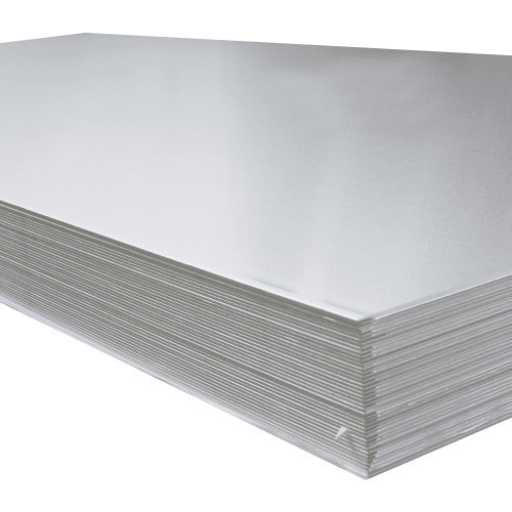
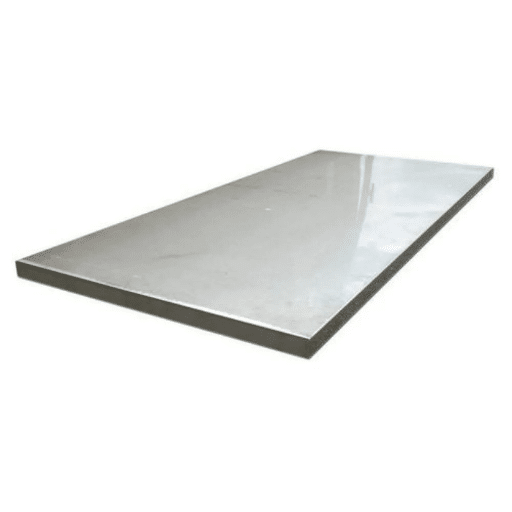
Once you know the grade, the next question is the form. Chemical plants do not buy “Hastelloy”; they buy plate for a reactor shell, tube for a heat exchanger, pipe for a transfer line, bar for a valve stem, and forgings for flanges. Each form carries its own governing specification.
| Equipment | Typical grade | Product form | Governing spec |
|---|---|---|---|
| Reactor and pressure vessel shells | C-276, C-2000 | Plate | ASTM B575 |
| Heat exchanger tubes | C-276 | Seamless tube | ASTM B622 |
| Tubesheets and channel | C-276 | Plate, or clad on carbon steel | ASTM B575 / ASME |
| Columns, towers, and internals | C-276, C-2000 | Plate, pipe | ASTM B575 |
| Transfer piping and fittings | C-276 | Seamless and welded pipe | ASTM B622 / B619 / B626 / B366 |
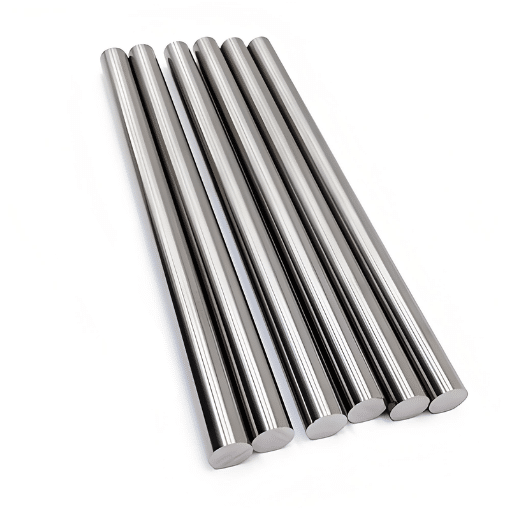
| Valve stems and machined parts | C-276, B-2 | Bar and rod | ASTM B574 |
| Flanges and forgings | C-276 | Forgings | ASTM B564 |
Reactors and Pressure Vessels
Reactor shells and heads see the full force of the process chemistry, which is why solid C-276 or C-2000 plate is the conservative answer for the most aggressive duty. For large vessels, however, solid alloy is rarely the most economical answer. A carbon steel shell with a roll-bonded or weld-overlay Hastelloy cladding captures most of the corrosion benefit at a fraction of the solid-alloy cost. Chemical plants routinely build this way: a carbon steel pressure boundary with a Hastelloy clad tubesheet and solid Hastelloy tubes in the exchanger bundle.
Heat Exchangers
Heat exchangers concentrate the corrosion problem on thin-walled tubes where even a modest corrosion rate shortens life quickly. C-276 tube is the industry default for hot chloride and seawater service, while C-2000 is preferred where sulfuric acid dominates the duty. For the exchanger tubesheets, fabricators frequently specify Hastelloy cladding on a carbon steel or stainless base to control cost without sacrificing the wetted surface.
Piping, Valves, and Fasteners
The piping system is where chemical processing corrosion usually appears first, because it has the thinnest walls and the highest flow velocities. Seamless C-276 pipe to ASTM B622, welded pipe to B619, and fittings to B366 carry the most aggressive lines. Bar to ASTM B574 machines into valve stems and pump shafts, and bolting in C-276 resists the galvanic and crevice attack that destroys stainless fasteners in the same service.
Which Hastelloy Grade Is Best for Chemical Processing? A Decision Framework
There is no single best grade. There is a best grade for each environment, and the environment has four inputs: the chemical media, its concentration, the operating temperature, and the trace impurities. Run through them in order and the grade reveals itself.
- Name the media and concentration. Is it hydrochloric, sulfuric, phosphoric, an organic acid, a chloride salt, or a mixture?
- State the temperature. Corrosion rates roughly double with every 10°C rise, so a grade that works at 60°C can fail at 80°C.
- Check for oxidizers. Look for ferric or cupric ions, dissolved oxygen, nitric acid, chlorine, or aeration. If present, the stream is oxidizing regardless of the acid.
- Choose the grade. Reducing and clean means B-2/B-3. Oxidizing with chlorides means C-22. Sulfuric acid in the 40% to 80% range means C-2000. Mixed, fluctuating, or unknown means C-276.
- Confirm with isocorrosion data. Never finalize a chemical-processing material on a datasheet alone. Validate against isocorrosion charts and, where possible, site-specific corrosion testing.
Choose C-276 When
- The stream is mixed, fluctuating, or not fully characterized.
- You need one alloy that tolerates both oxidizing and reducing conditions.
- Hot chloride or seawater service requires tungsten-strengthened resistance.
- The equipment must run in the as-welded condition without post-weld heat treatment.
- Sour gas service demands NACE MR0175-compliant material in the annealed condition.
Choose C-22 When
- The stream is strongly oxidizing, such as wet chlorine, chlorine dioxide, or hypochlorite.
- Oxidizing chlorides such as ferric and cupric chloride are present.
- You are fabricating welded equipment and want maximum resistance to localized attack in the heat-affected zone.
Choose C-2000 When
- Sulfuric acid dominates the duty, especially in the hot 40% to 80% range.
- The acid stream carries oxidizing contaminants that would attack a lower-chromium alloy.
- Mixed acids such as sulfuric plus hydrochloric are in play.
Choose B-2 / B-3 When
- The service is clean, deaerated reducing acid, above all hydrochloric acid.
- Acid concentration and temperature push beyond what C-276 tolerates.
- The stream is verified free of ferric ions, cupric ions, nitric acid, chlorine, and dissolved oxygen.
One caution applies to every selection. The B-grades are the only Hastelloy family that punishes a specification error with catastrophic, not gradual, failure. If there is any doubt about oxidizers in an HCl stream, the conservative choice is C-276, which trades some pure-acid performance for tolerance of contamination.
The Honest Cost Question: When a Cheaper Alloy Comes First
Hastelloy costs roughly 10 to 20 times more per kilogram than 316L stainless, so it should never be a reflex. In mild chemical service, Alloy 20, Incoloy 825, or a 6-Mo super-austenitic stainless delivers most of the corrosion resistance at a fraction of the premium. Duplex and super-duplex stainless carry high-chloride service with roughly twice the yield strength of 316L. A good metallurgical partner tells you when you are over-specifying, because keeping you off the nickel-alloy ladder is how you keep total cost down.
The premium pays for itself when one failure plus the resulting downtime costs more than three to five times the alloy upcharge. That math is common in reactors and heat exchangers, where a single unplanned shutdown can exceed the material cost of the entire vessel. When your operating conditions are borderline, send them to a metallurgical engineer for a second opinion before you commit. Our technical team reviews stream chemistry, temperature, and contaminants, and responds with a grade and form recommendation within 24 hours.
Fabrication, Welding, and Standards for Chemical Plant Procurement
Selection does not end at the grade. Fabrication practice and supply-chain verification decide whether the material you chose actually performs in the equipment you build.
Weldability and As-Welded Service
Hastelloy C-276 was the first wrought Ni-Cr-Mo alloy designed to be used in the as-welded condition without post-weld heat treatment. Its low carbon and silicon content minimize carbide and intermetallic precipitation in the heat-affected zone, which is why fabricators and chemical plant owners prefer it for code vessels. C-22 and C-2000 are also readily weldable with matching fillers, ERNiCrMo-10 for C-22 and ERNiCrMo-13 or ERNiCrMo-14 for C-2000. C-276 typically uses ERNiCrMo-4 filler. All of them demand clean joints, low heat input, and a qualified welding procedure specification. The B-grades use ERNiMo-7 filler and are the most sensitive to weld procedure, another reason C-276 dominates fabricated chemical equipment.
Standards and Certification Your Quality Team Needs
Chemical plant procurement runs on documented traceability. Before material ships, your quality team should confirm the governing specification and the certificate that proves compliance.
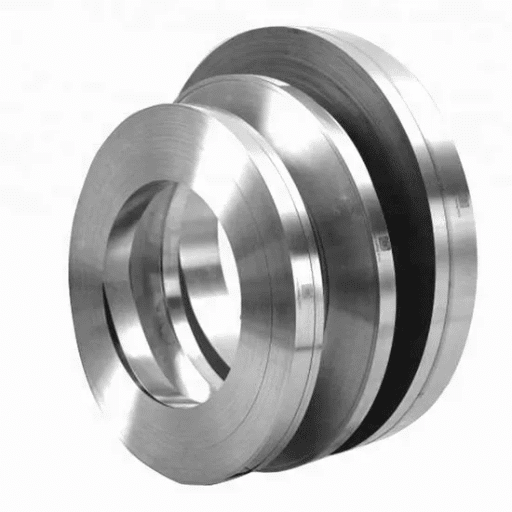
- ASTM B575: plate, sheet, and strip for the Ni-Cr-Mo alloys.
- ASTM B622: seamless pipe and tube.
- ASTM B619 / B626: welded pipe and tube.
- ASTM B574: bar, rod, and wire.
- ASTM B564: forgings.
- ASTM B366: wrought fittings.
- ASTM A494: castings.
- NACE MR0175 / ISO 15156: qualification for sour oil and gas service.
- EN 10204 3.1 / 3.2: inspection documents accepted across Europe and most international projects.
Every batch of C-276, C-2000, or B-2 that leaves our warehouse ships with a mill test report, and our in-house direct-reading spectrometers verify composition before dispatch. For code-critical chemical plant orders, we can add ultrasonic NDT reports and third-party inspection documentation.
Sourcing Certified Hastelloy for Chemical Processing From a Certified Manufacturer

When Priya, a mechanical engineer at a specialty chemicals plant, took over a failing hydrochloric acid heater, the existing 316L bundle had lasted eleven months. She re-specified C-276 tubes with a Hastelloy-clad tubesheet, and she needed the documentation to satisfy both her own QA team and the pressure vessel inspector. She sourced the tube and clad plate from a single supplier who supplied the mill certificates, the spectral verification, and the EN 10204 documents in one package. The bundle has now run for five years with no tube-side leaks. What she avoided was the far more common outcome: sourcing a premium alloy from a trader who could not prove what was in the box.
That verification gap is the real risk in importing Hastelloy for chemical processing. The alloy is expensive enough that a counterfeit or off-spec heat is a financial disaster, and the corrosion service is severe enough that it is a safety risk. Zhonggongte closes that gap with a combination that few suppliers match: we are a manufacturer with vacuum induction and electroslag remelting furnaces, an authorized distributor of top-tier global mills, and an in-house laboratory with spectrometers, tensile and hardness testers, metallographic analysis, and ultrasonic NDT. We supply Hastelloy C-276, C-2000, and B-2 in plate, pipe, tube, bar, rod, forgings, flanges, and fasteners, and we ship the MTR with every order. Our Hastelloy pipe and Hastelloy rod pages show the forms we stock for chemical plant programs.
A second benefit of buying from a full-spectrum supplier is honesty about alternatives. Because we also stock the stainless, duplex, and nickel grades that sit below Hastelloy on the cost ladder, we can quote the cheaper option when it will survive, and recommend the nickel alloy only when the environment demands it. That consultative approach is why plant engineering teams send us their operating conditions rather than just their purchase orders.
FAQ: Hastelloy for Chemical Processing
What is Hastelloy used for in chemical processing?
Hastelloy is used to build reactors, heat exchangers, columns, and piping that handle corrosive acids and chlorides where stainless steel fails. The common grades are C-276 for mixed service, C-2000 for sulfuric acid, C-22 for oxidizing chlorides and wet chlorine, and B-2/B-3 for hydrochloric acid.
Is Hastelloy better than stainless steel for chemical plants?
In aggressive acidic or chloride-laden service, yes. Hastelloy is a nickel-based alloy that resists both oxidizing and reducing attack and is immune to chloride stress corrosion cracking. In mild service, stainless steel is the better choice because it costs a fraction as much and fabricates far more easily.
Which Hastelloy grade is best for hydrochloric acid?
For clean, deaerated hydrochloric acid, Hastelloy B-2 or B-3 is best because its high molybdenum content resists HCl across concentrations. If the acid contains oxidizers such as ferric ions or dissolved oxygen, use C-276 instead, because the B-grades fail catastrophically in oxidizing conditions.
What is the difference between Hastelloy C-276 and C-2000?
C-276 is the broad-spectrum workhorse for mixed and reducing service. C-2000 adds copper and raises chromium, which keeps it passive in hot 40% to 80% sulfuric acid where C-276 is borderline. Choose C-2000 for sulfuric-acid duty and C-276 for hot chlorides, seawater, and mixed streams.
Can Hastelloy handle sulfuric acid?
Yes, with the right grade. C-276 handles sulfuric acid across concentrations but becomes borderline in the hot 40% to 80% range. C-2000, with its copper addition, is the superior choice there, corroding roughly 3 to 10 times slower in that window.
Is Hastelloy weldable?
Yes. C-276 is designed for as-welded service without post-weld heat treatment. Matching nickel-based fillers are required, ERNiCrMo-4 for C-276, ERNiCrMo-10 for C-22, ERNiCrMo-13/-14 for C-2000, and ERNiMo-7 for B-2, along with clean joints and controlled heat input.
How much does Hastelloy cost for chemical processing equipment?
Hastelloy typically costs 10 to 20 times more per kilogram than 316L stainless. The premium is justified when a failure plus downtime costs more than the alloy upcharge, which is common in reactors and heat exchangers. Clad construction reduces cost for large vessels.
The Bottom Line
Stop specifying “Hastelloy” and start specifying the environment. The right grade is a function of four inputs: the media and its concentration, the temperature, the trace impurities, and whether the stream is oxidizing or reducing. Run through them and the grade appears, C-276 for the mixed and the unknown, C-2000 for sulfuric acid, C-22 for oxidizing chlorides, and B-2/B-3 for clean hydrochloric acid.
Three rules carry most of the value. First, when in doubt, C-276, because it tolerates both oxidizing and reducing conditions and welds in the as-welded condition. Second, verify the stream before trusting the datasheet, because aeration and trace oxidizers can destroy a B-grade specification. Third, demand certified material, ASTM B575 plate, B622 tube, a mill test report, and NACE compliance where your service requires it, because a premium alloy is only as good as the documentation that proves what is in the box.
If you send us your media composition, concentration, temperature, and known contaminants, our metallurgical engineers will confirm the correct grade and product form within 24 hours and quote the cheaper alternative if it will survive. Submit your operating conditions or email to [email protected], and call +86 13306184668 for an urgent material requirement. We manufacture and stock the Hastelloy grades your chemical plant needs, with full certification on every shipment.