A desalination plant in the Middle East needed to make a critical call in 2019. Their stainless steel pump shafts used to fail every 18 months due to salt pitting corrosion caused by chlorides. The costs and consequential downtimes when replacements were done were going haywire since the engineers were running out of options. Since switching to Monel 400 shafts, the same components lasted over six years without a single failure.
This is not in some cases. For water treatment to aggressive chemical and marine environment applications, Monel was significantly ahead of most standard alloys-but only if the specific grade and application were ingredianted.
In a tiny bit of time, engineers and procurement professionals can go from having no idea what Monel consists of to having all the properties of Monel explained, all the grades, and knowing exactly when to cough up the extra money.
What you will learn:
- The fundamental composition that makes Monel alloys unique
- Detailed comparison of Monel 400 vs Monel K500
- Specific applications where Monel excels (and where it does not)
- Practical selection framework for industrial procurement
What Is Monel Material?
Definition and Composition
Monel itself is a nickel-copper alloy family typically made up of 60-70% nickel and 20-30% copper with small additions of iron, manganese, carbon, and silicon. Monel is not iron-based like stainless steel. It is due to nickel-copper that gives it all of its properties.
Another well-known grade would be Monel 400 UNS No4400 with a nickel 63-67% composition and copper content of 28-34%. It has fantastic resistance towards seawater, acid, and alkali-corrosive elements, unfavorable for standard stainless steel.
Developed by the International Nickel Company in the year 1905, Monel was one of the first Nickel Alloys to see wide-scale use in industrial circles. Monel has remained essential in situations where failure is not an option.
Key Characteristics at a Glance
| Property | Monel 400 Value |
|---|---|
| Density | 8.80 g/cm³ |
| Melting Range | 1,300–1,350°C |
| Tensile Strength | 480–620 MPa |
| Thermal Conductivity | ~22 W/m·K |
| Magnetic Properties | Generally non-magnetic |
Monel Alloy Grades Explained
Not all Monel materials are created equal. The addition of specific alloying elements creates distinct grades optimized for different performance requirements.
Monel 400 (UNS N04400)
Monel 400 is the standard and generally the most used grade. It is a solid solution alloy and cannot be hardened by heat treatment; it can only be hardened by cold working.
Chemical Composition:
- Nickel – 63% minimum
- Copper – 28 to 34%
- Iron – 2.5% max.
- Manganese – Less than 2.0%
- Carbon – Less than 0.3%.
Mechanical Properties:
- Tensile strength – 480 to 620 MPa (70-90 ksi)
- Yield strength – 170 to 340 MPa (25-50 ksi)
- Elongation – 35 to 45%.
- Hardness – Approx. 65 HRB
Most Common Uses:
- In marine hardware and pump components
- In chemical process equipment, especially in applications that utilize hydrofluoric acids
- In heat exchangers and evaporators
- For valve and pipe configurations in corrosive environments
Monel 400 is best at resisting corrosion and has more readily formed characteristics of the Monel alloys. It is readily weldable and thus cold-formed into more intricate shapes.
Monel K500 (UNS N05500)
To gain even higher strength while still maintaining corrosion-resistance properties, engineers often come to Monel K500. This grade adds 2.3-3.15% aluminum and 0.35-0.85% titanium to the basic makeup for precipitation hardening.
Crucial Difference: Monel K500 reaches tensile values of 960-1,200 MPa (thousands of pounds per square inch) after a small amount of aging at temperatures of about 595°C for only about 16 years of hardening heat treatment—roughly2-3 times with Monel400.
Mechanical Properties (After Aging):
- Tensile Strength: 960-1,200 MPa (140-175 ksi)
- Yield Strength: 650-900 MPa (95-130 ksi)
- Hardness: 25-35 HRC (up to 45 HRC in the fully aged condition)
- Elongation: 20-30%
Most Suitable Applications:
- High-pressure valve stems and pump shafts
- Oil drill collars and fasteners
- Aircraft engine components
- Springs or wear-resistant bushing
- Propeller shafts are demanding increased strength
Trade-off: The purpose of the greater difficulties in welding Monel K 500 than in welding Monel 400 lies in the aging that brings the material close to a critical state, making it prone to cracking under conditions of stress and an environment that may contain mercury or under high-chloride, high-stress conditions.
Monel R-405 (Free-Machining Grade)
Standard Monel alloys work at a fast rate when machining, which poses a challenge to the machinability of these materials at high speeds. Monel R-405 addresses this by adding 0.025–0.06% sulfur, which enhances the chip breaking effect and reduces machining-tool wear.
Application: Screw machine products, automatic lathe work, and high-volume fastener productivity, where machinability is needed at the expense of maximum corrosion resistance.
Monel 404 (Specialized Grade)
With a modified composition (~55% nickel, ~30% copper, low iron and silicon), Monel 404 offers controlled thermal expansion properties ideal for specialized applications.
Use Case: Electronic components, glass-to-metal seals, and sensor housings where thermal expansion matching is critical.
Grade Selection Decision Matrix
| Application Requirement | Recommended Grade | Reason |
|---|---|---|
| Maximum corrosion resistance | Monel 400 | Best overall corrosion resistance, especially in HF acid |
| High strength + corrosion resistance | Monel K500 | 2-3× strength after aging |
| High-speed machining required | Monel R-405 | Improved machinability |
| Electronics/thermal expansion control | Monel 404 | Controlled expansion coefficient |
| Weldability priority | Monel 400 | Excellent weldability |
| Wear resistance critical | Monel K500 | Higher hardness when aged |
Key Properties and Performance Characteristics
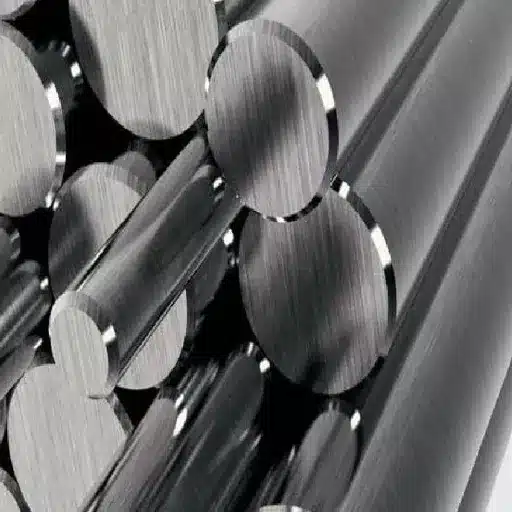
Exceptional Corrosion Resistance
For this very specific quality, all engineers use Monel; corrosion resistance is good enough over all other alloys that get damaged in such environments.
Seawater and Marine Environments:
Monel alloys resist chloride-induced pitting, crevice corrosion, and stress corrosion cracking that plague stainless steels in marine applications. They perform well even in high-velocity, turbulent seawater conditions that accelerate corrosion of lesser materials.
Chemical Resistance:
- Hydrofluoric Acid: Monel is one of the few metallic materials that effectively resists hydrofluoric acid in all concentrations to its boiling point. This is practically desirable in a fluorine chemical production and uranium processing.
- Sulfuric Acid: Good resistance to de-aerated (reducing) sulfuric acid at moderate temperatures.
- Alkalis: Good resistance to caustic soda and other alkalis, even at elevated temperatures.
Disadvantages:
Monel does not fare well under conditions with oxygen present. When the material is attacked by powerful oxidizing acids like nitric acid, oxidizing salt solutions, and wet chlorine environments, it deteriorates. Stainless steel or super alloys such as Hastelloy C-276 are able to fair better in these types of environments.
Mechanical and Physical Properties
Temperature Test Procedure:
This alloy is extremely suitable for Monel, which has properties over a very wide range of temperatures:
- Cryogenic: It remains ductile and tough down to at least -200 deg C, thus making it suitable for cryogenic equipment.
- Elevated Temperature: Monel 400 is good up to and including 480 degrees Celsius (900 degrees Fahrenheit), while Monel K500 stands up to 540 degrees Celsius (1000 degrees Fahrenheit).
Mechanical Properties:
Although Monel 400 is of moderate strength, comparable to mild steel, cold working permits a substantial increase in its strength due to its work-hardening capabilities. Monel K500’s precipitation hardening gains strength levels close to certain conditions, as well as steel, but keeps its corrosion resistance.
Non-Magnetic Characteristics:
Both materials, generally, are non-magnetic and are ideal for highly sensitive electronic applications like ordnance clearance equipment and in systems that require minimum magnetic interference.
Monel vs Stainless Steel: When to Choose Each
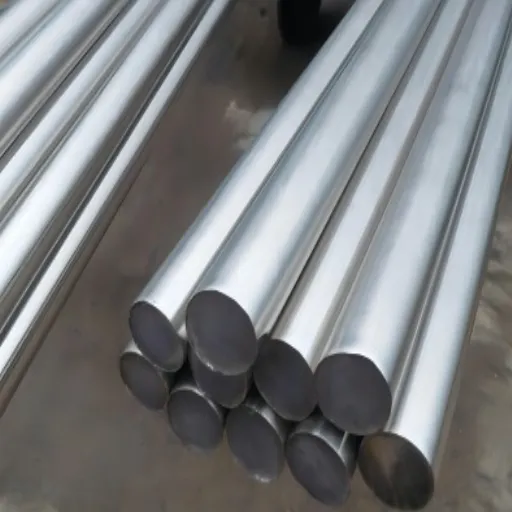
The comparison between Monel and stainless steel is not about which is “better”—it is about which fits your specific environment and requirements.
Performance Comparison by Environment
| Environment | Monel Performance | Stainless Steel (316) Performance |
|---|---|---|
| Seawater/Saltwater | Excellent—resists pitting and stress corrosion | Vulnerable to chloride pitting and stress corrosion cracking |
| Hydrofluoric Acid | Excellent—one of few resistant metals | Fails rapidly |
| Sulfuric Acid (reducing) | Good to excellent | Limited resistance |
| Nitric Acid (oxidizing) | Poor—not recommended | Good resistance |
| Caustic Alkalis | Excellent | Good, but can stress corrode |
| High Temperature (>600°C) | Maintains strength | Loses strength significantly |
| Cost | Premium (5-10× 316 SS) | Economical |
Real-World Decision Framework
Choose Monel when:
- Works in seawater, brine, or high chloride environments
- In the incidents where hydrofluoric acid or strong non-oxidizing acids are in operation
- It is known that stress corrosion cracking can be a risk with stainless steel
- The operating temperature is above 300°C, and there will be corrosive conditions
- The equipment failure will lead to disastrous consequences
- The longer lifespan compensates for the high initial cost of materials.
Choose Stainless Steel when:
- Mild operating environments include: Atmospheres. Freshwater, non-corrosive chemicals.
- When the budget is limited, initial costs are an organization’s priority even when looking at lifecycle costs.
- Nitric and chromic acids are the most common forms of oxidizing agents.
- Comprehensive resistance capability will usually suffice.
- Change-out and regular maintenance are generally tolerable.
Total Cost of Ownership Analysis
When Marcus Chen, a procurement manager at a Gulf Coast chemical plant, examined the materials for a new system for handling sulfuric acid, both material selections were very clear:
- Stainless Steel 316L option: $45000 initial cost, 4-year expected lifetime, $12000 per year maintenance
- Monel 400 option: $185000 initial cost, 15-year anticipated useful life, $2000/year maintenance
This stainless steel option would mean three replacements as well in the same period, not to mention more maintenance over that time for a cool total of close to $735 000. A Monel 400 system would still cost 735,000. In differing from a Monel400 system, the latter would only be 215,000 over the same period, an effective savings of at least exceeding $500,000 even though it purchases 4× the initial investment.
Industrial Applications of Monel Material
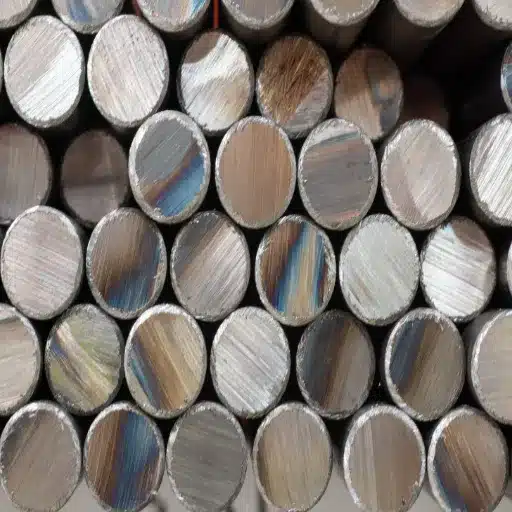
Marine and Offshore Engineering
Marine environments are among the most corrosive on Earth. The combination of saltwater, dissolved oxygen, biofouling, and mechanical stress destroys ordinary materials rapidly.
Typical Marine Applications:
- Propeller shafts and pump shafts
- Sea water valves and piping systems
- Offshore platform fasteners and connectors
- Desalination plant evaporators and heat exchangers
- Submarine components and sonar equipment
- Shipboard chemical storage tanks
In these applications, Monel’s resistance to both uniform corrosion and localized attack (pitting, crevice corrosion) provides service lives measured in decades rather than years.
Chemical Processing Industry
Materials are needed that maintain their integrity against aggressive media in chemical installations, which include acids, solvents, and reactive compounds.
Major applications in the chemical industry include:
- Hydrofluoric acid reactors and storage vessels
- Sulphuric acid handling equipment (concentrations below 80%)
- Alkali production and processing equipment
- Chlorinated solvent systems
- Pulp and paper digester components
Example case: A fluoropolymer manufacturer in Texas had to replace the hydrofluoric acid pipes made of carbon steel after every 8-12 months because they corroded frequently. The company worked for over eight years without changing the same pipe after upgrading to Monel-400, eliminating unplanned shutdowns and, above all, promoting safety measures.
Oil and Gas Industry
The complex challenges through the oil sector include sour hydrocarbons containing gases i.e., hydrogen sulfide, high pressures, high temperatures, and production fluids which are corrosive in nature.
Application:
- Sour Gas Wellhead Components
- Drill collars, along with the tools
- Christmas tree valves with chokes
- Subsea production equipment
- Refinery heat exchangers
Monel K500 is mainly beneficial during operations like directional drilling drill collars that have to be of high strength, highly resistant, and non-magnetic in nature to produce accurate magnetic survey measurements.
Aerospace and Defense
Aircraft and military applications are some of the most demanding materials due to exposure to very high temperature ranges and maintaining structural integrity.
Usage in Aerospace:
- Parts of gas turbine engines
- Fasteners for exhaust systems
- Landing gear components
- Parts of rocket engines
- Safety and lock wire
- Fuel system components
Monel alloys are important in aircraft due to their high-temperature strength, oxidation resistance, and retention of properties in cryogenic conditions.
Specialized Applications
Electronics: This high expansion control element is suitable for use in the making of semiconductor packaging and vacuum tubes.
Medicine: Non-magnetic Monel components are frequently used in instruments and implants that are MRI-compatible.
Consumer Goods: This long-life material, which is very resistant to corrosion in industrial environments, is ideally suited for eyeglass frames because it can tolerate perspiration, saltwater, and wear and tear.
Processing, Fabrication, and Welding Guidelines
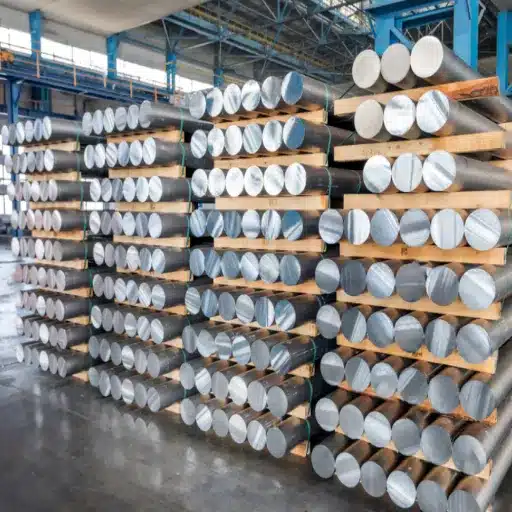
Machining Considerations
Monel alloys can be hardened by machining, so the machining parameters have to be monitored very closely.
Suggestions:
- Use rigid tooling with sharp positive rake angles
- Adhere to uniform feed rates – light, intermittent cuts speed work-hardening
- Provide more coolant flow to manage excess heat
- Select Monel R-405 in high volume to achieve excellent machineability
Tooling Recommendations:
- Use carbide tools for roughing operations with Monel.
- Use high-speed steel for all finishing work.
- Use ceramic inserts for high-speed machining applications.
Welding Procedures
Welding Monel 400:
Monel 400 welding properties are excellent with the effective use of standard welding processes and include:
- GTAW (TIG): For use in thin sections or critical applications. The recommended filler metal for use in welding Monel 400 is ERNiCu-7.
- GMAW (MIG): Recommended for heavier sections. Match the filler metal with Monel 400.
- SMAW (Stick): Provides good results: A stringer bead type of deposit is made using the ENiCu-7 electrodes.
Preheating is generally not required in sections thinner than 6 mm. In welding preparation, place preheating between 100 and 150 °C for sections thicker than 6 mm.
Post-weld Treatment: Within Monel 400, between 870°C and water quenching, restore monel 400: this restores heat-affected zones and corrosion resistance in NU¼ernberg.
Monel K500 Welding:
Welding Monel K500 requires special consideration. Post-weld aging is necessary to restore precipitation-hardened strength. The welding area has a lower precipitation-hardened strength value in articles compared to the original properties, to approximately match those of Monel 400.
Post-Weld Aging: After welding, to bring the hardness back, the components must undergo full-age-hardening heat treatment. Because of the process, the scope of Monel K500’s application is limited to items that can be handled through field welding less likely to leave behind the need to carry out Pwht.
Forming and Heat Treatment
Cold Workability:
Both Monel 400 and solution-treated K500 can be cold-worked with standard equipment. Very good ductility provides deep drawing, spinning, and bending capabilities for the alloys. Keep in mind, however, that working cold only strengthens the stuff, yet in turn, sacrifices some ductility.
Heat Treatment:
- Monel 400: Water quench from 1300 °F (760 °C) to anneal cold-worked material.
- Monel K500: Solution heat-treating, 1800 °F (980 °C), water quench, and then age at 1100 °F (595 °C) for 16 hours, 1275 °F (690 °C) for 4 hours (for an overaged material condition giving better stress corrosion resistance).
Procurement and Supplier Considerations
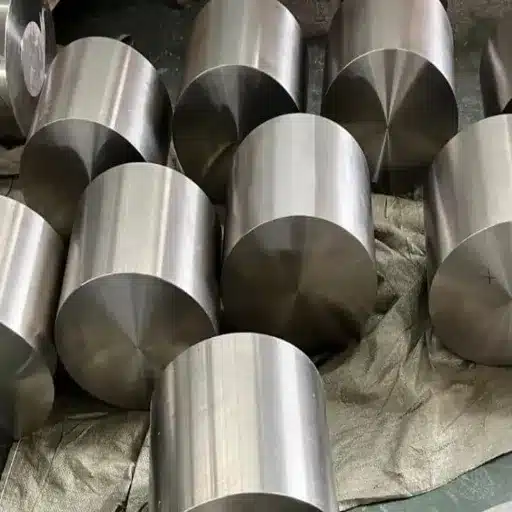
Quality Standards and Certification
Upon embracing the serious applications of monel material in hand, confidence and traceability are out of the question.
Required Standards:
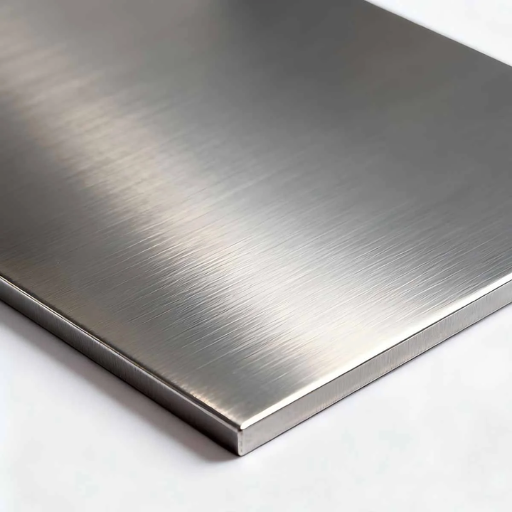
- ASTM B127: Nickel-Copper Alloy Plate, Sheet, and Strip Specifications
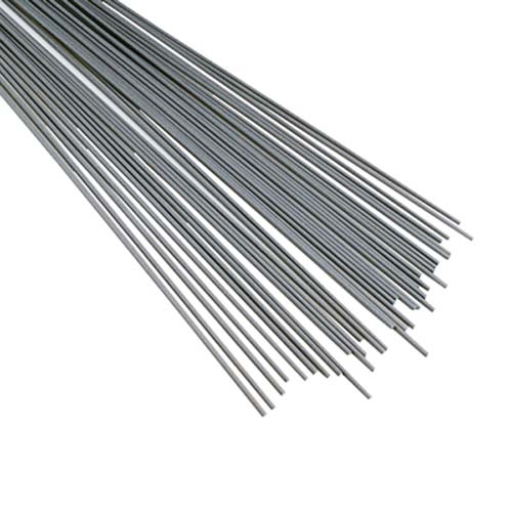
- ASTM B164: Nickel-Copper Alloy Rod, Bar, and Wire Specifications
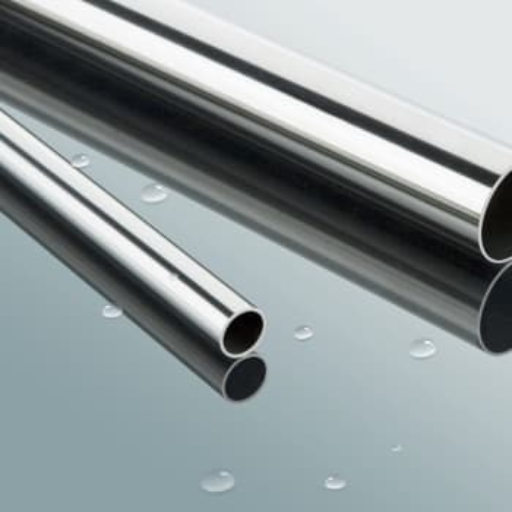
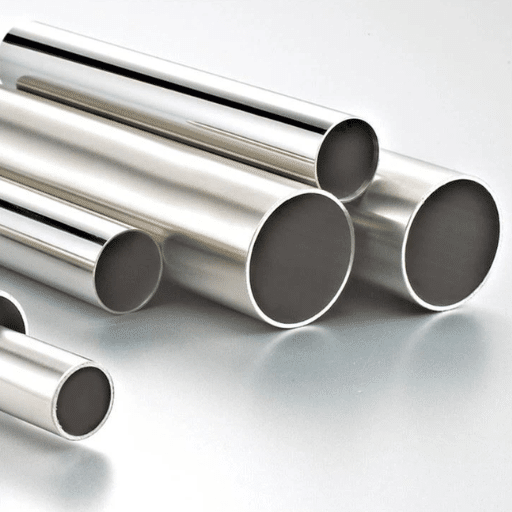
- ASTM B165: Seamless Nickel-Copper Alloy Pipe and Tube Specifications
- UNS numbers: N04400 (Monel 400), N05500 (Monel K500)
Essential Documentation:
- EN 10204 3.1 certificate for material with heat/batch numbers
- Documentation of the mill test results with the description, and also the mechanical properties
- Documentation for traceability between the designated material to its production record
- Third-Party Quality Inspection Certificates essential for such critical applications
Pricing Overview
Monel commands a significant premium over standard materials due to its high nickel content and specialized processing.
Current Market Ranges (2024-2025):
| Form | Monel 400 Price | Monel K500 Price |
|---|---|---|
| Sheet/Plate | $12-18/kg | $18-28/kg |
| Bar/Rod | $14-22/kg | $22-35/kg |
| Pipe/Tubing | $18-30/kg | $28-45/kg |
| Forgings | $20-35/kg | $35-55/kg |
Factors Affecting Cost:
- Nickel market price volatility
- Form and size (specialized shapes command a premium)
- Quantity (mill-run quantities reduce per-unit cost)
- Certification requirements (aerospace/nuclear grades cost more)
- Processing services (cutting, heat treatment, testing)
Supplier Selection Checklist
Choosing the right supplier is as important as selecting the right material.
Technical Capabilities:
- Can provide EN 10204 3.1 or 3.2 material certification
- Offers custom processing (cutting, heat treatment, machining)
- Maintains inventory for quick delivery
- Provides technical consultation on grade selection
Quality Assurance:
- ISO 9001 certified manufacturing
- Full material traceability systems
- In-house or third-party testing capabilities
- Documented inspection procedures
Supply Chain:
- Proven global delivery capability
- Secure packaging for international shipping
- Experience with export documentation
- Responsive technical support
At Jiangsu Zhonggongte, we supply certified Monel 400 and K500 materials with full documentation, custom processing services, and global logistics support. Every batch is delivered with complete material certification and traceability—because in critical projects, assumptions are not acceptable.
Conclusion
Monel material is a rather unique set of engineering materials created for situations where conventional materials may fail. The striking nickel-copper constituents of the Monel material are enough to deliver outstanding seawater, acid, and alkali corrosion resistance while maintaining its mechanical integrity under high-temperature environments.
Key takeaways:
- Monel 400 is preferred among the many because it gives the most fitting combination of formability, weldability, and corrosion resistance for general applications
- Monel K500 is peculiar because it is not only precipitation hardened but 2-3× times stronger and suitable for service components with the maximum tensile force
- There will be a slight benefit for Monel; it is highly resistant to oxidizing acids in an environment containing chlorides at pH levels of to 7 or below, though it cannot compete with the costs
- Equipment longevity and reliability provide a compelling case for the reasonable additional cost in most ownership costs
- Appropriate certifications, traceability, and supplier approvals are necessary when dealing with critical applications.
Picking the right grade involves understanding the parameters of the operating environment, the mechanical requirements, and lifecycle costs expectations. In this application, failure is intolerable. Monel alloys provide the critical industrial reliability demanded in this case.
Need help selecting the right Monel grade for your project? Request a consultation with our metallurgical engineers. We’ll review your specifications, recommend the optimal grade, and provide competitive pricing with full certification.