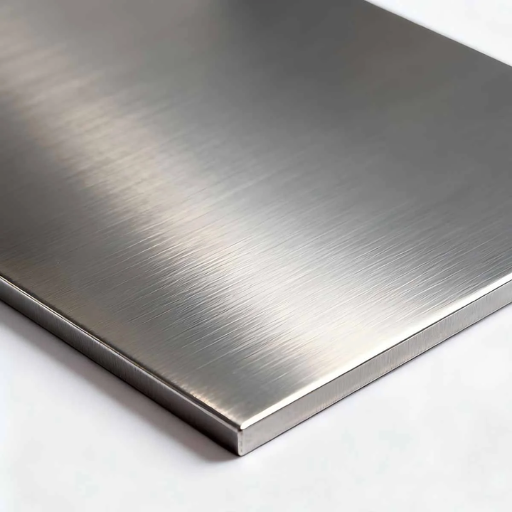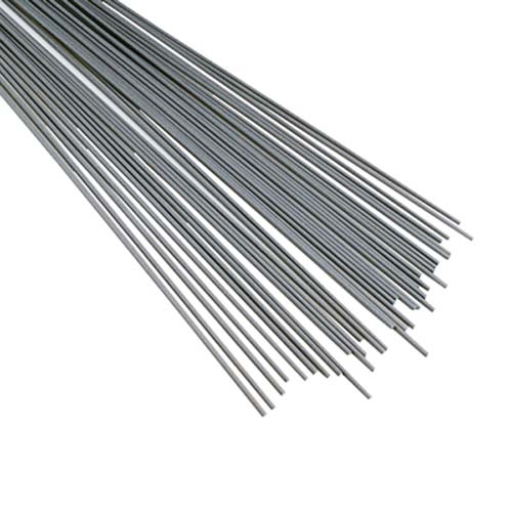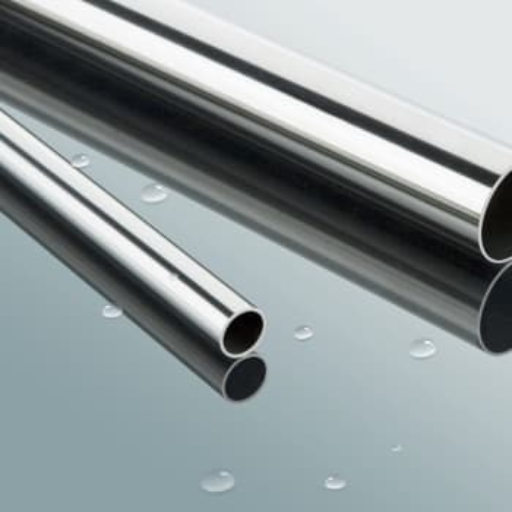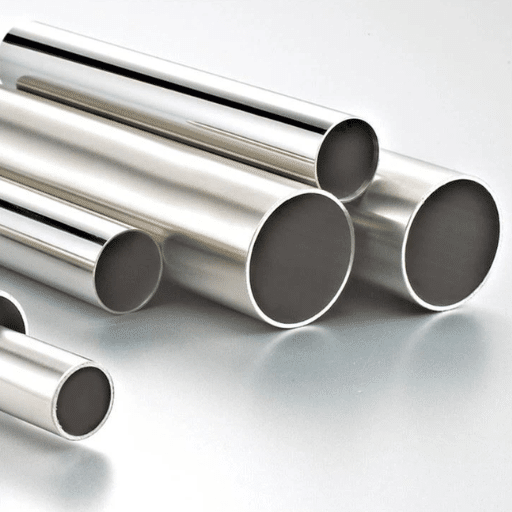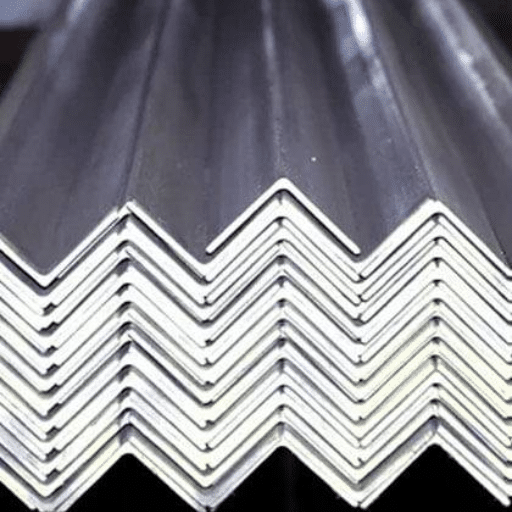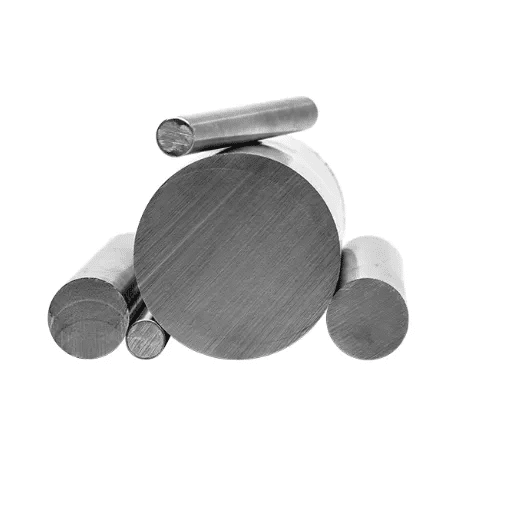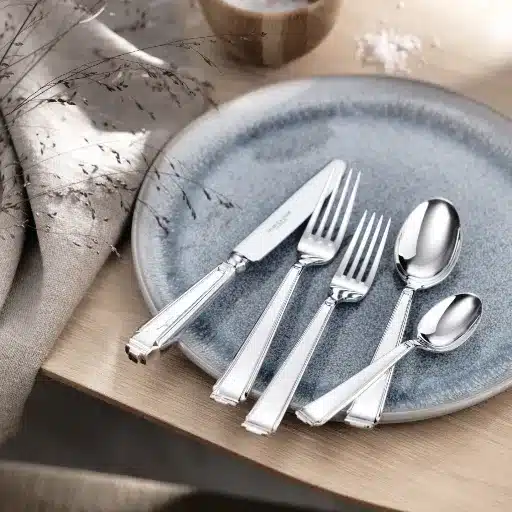
The marine engineering firm in Singapore achieved complete maintenance elimination when they stopped using sterling silver and started using 316L stainless steel for their underwater sensor housings. The field data demonstrated complete success after 18 months, with no signs of corrosion, no need for replacement parts, and a 73 percent decrease in service requests from the field. The decision between stainless vs sterling silver isn’t about preference. The selection process uses material properties to create an environment that matches its environmental requirements.
Both materials serve important functions throughout various industries because they function best under opposing environmental conditions. The selection process for materials used in jewelry manufacturing and marine hardware, electrical components, and decorative applications presents engineers and procurement teams with this challenge. The selection of an incorrect option results in equipment breakdowns before their expected lifespan, unanticipated maintenance expenses, and decreased system functionality.
The guide provides a data-based evaluation of stainless steel and sterling silver, which demonstrates how their technical specifications affect actual performance. You will discover the specific material characteristics and corrosion protection levels, processing features, and cost elements that you need to use for your material selection process. The comparison provides you with engineering knowledge to make secure choices, whether you need to find materials for manufacturing or assess vendors for a particular project.
Want to discuss your specific material requirements with our metallurgical team? Request a technical consultation and get alloy recommendations tailored to your application.
What is 316L Stainless Steel?
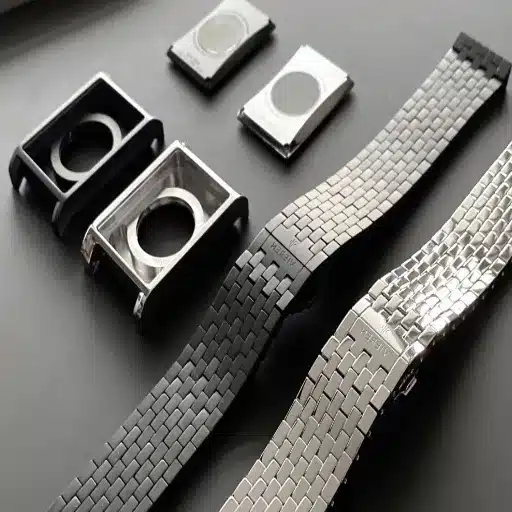
Composition and Standards
316L stainless steel functions as an austenitic chromium-nickel alloy, which provides excellent protection against corrosion. The “L” designation originates from the low carbon content, which reaches a maximum of 0.03%, because this low carbon content prevents carbide precipitation during welding and enhances intergranular corrosion resistance.
Standard Composition (ASTM A276 / ASTM A240):
- Chromium: 16-18%
- Nickel: 10-14%
- Molybdenum: 2-3%
- Carbon: 0.03% maximum
- Iron: Balance
The introduction of molybdenum into 316L stainless steel creates a distinct difference, which gives 316L better protection against chloride and acidic environments compared to standard 304 stainless steel. This grade of stainless steel functions as the most suitable material for use in marine environments, chemical processing, and medical implants, which require “surgical grade” biocompatibility.
Key Material Properties
| Property | Value | Significance |
|---|---|---|
| Density | 8.0 g/cm³ | Moderate weight, good strength-to-weight ratio |
| Melting Point | 1370-1400°C | Suitable for high-temperature applications |
| Tensile Strength (annealed) | 485 MPa | High mechanical strength |
| Yield Strength | 170 MPa | Good structural integrity under load |
| Hardness | 95 HRB (Rockwell B) | Scratch and dent resistant |
| Elastic Modulus | 193 GPa | Stiff, maintains shape under stress |
| Thermal Expansion | 16.0 × 10⁻⁶/°C | Predictable dimensional stability |
The defining characteristic of 316L is its passive chromium oxide layer. The surface develops a stable oxide film, which protects the material when it comes into contact with oxygen. The layer creates constant protection against corrosion because it repairs itself immediately after sustaining damage through scratching.
Industrial and Commercial Applications
316L stainless steel serves as the primary material, which protects against corrosion and delivers exceptional strength in all its applications.
- Marine equipment: The Propeller shafts and fittings, together with hardware components, face direct exposure to saltwater.
- Chemical processing: The Tanks and pipes together with valves operate under conditions which handle aggressive chemicals.
- Medical devices: The surgical instruments and implants, together with piercing jewelry, serve as essential components.
- Food and beverage: The processing equipment needs to have surfaces that meet sanitary standards.
- Jewelry manufacturing: The industry creates pieces that include everyday wear items, body jewelry, and fashion accessories.
The 316L metal provides jewelry manufacturers who create high-volume production lines with a strong value because it combines excellent durability with resistance to corrosion and maintains its price stability. The material keeps its original surface appearance to which it was finished because it does not develop tarnish when it comes into contact with sweat, cosmetics, and environmental moisture.
What is 925 Sterling Silver?
Composition and Standards
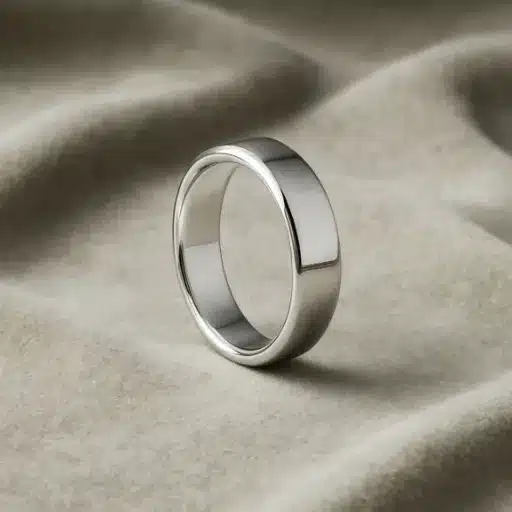
Sterling silver exists as a precious metal alloy that contains 92.5% silver and 7.5% copper, together with its alternative alloying elements. The composition of the material creates a combination of the workability and luster of pure silver, together with the strength and durability, which makes silver suitable for creating functional products.
Standard Composition (ISO 9202 / ASTM B557):
- Silver: 92.5% minimum
Copper: 7.5% (typical)
Optional additives: Zinc, silicon, germanium, or boron for specific properties
The 7.5% copper content serves multiple purposes. The copper content strengthens the alloy through its use in structural applications, while it enhances casting abilities and keeps the alloy’s appearance of fine silver. Some modern sterling formulations substitute germanium for copper to improve tarnish resistance, though copper remains the industry standard.
Key Material Properties
| Property | Value | Significance |
|---|---|---|
| Density | 10.36 g/cm³ | Heavier feel, perceived quality |
| Melting Range | 799-899°C | Lower processing temperatures than steel |
| Tensile Strength (annealed) | 207-214 MPa | Moderate strength, good formability |
| Yield Strength (annealed) | 90-124 MPa | Soft, easily worked |
| Hardness (annealed) | 52-71 HV | Soft enough for intricate detailing |
| Hardness (work-hardened) | Up to 140 HV | Can be hardened through processing |
| Electrical Conductivity | 96% IACS | Excellent conductor |
| Thermal Conductivity | 109 W/m·K | High heat transfer |
The mechanical properties of sterling silver make it exceptionally workable. The material can be drawn into fine wire and beaten into thin sheets, and cast into complex shapes, which show detailed reproduction. The ability of sterling silver to be shaped into complex designs without damage makes it the preferred material for creating intricate jewelry designs, which include stone settings.
Industrial and Commercial Applications
Sterling silver serves applications where aesthetics, conductivity, and precious metal value are priorities:
- Fine jewelry: The category includes high-end rings and necklaces, bracelets, and earrings.
- Hollowware: The category includes tableware, serving pieces, and decorative objects.
- Electrical contacts: The components serve as switches and connectors that need to maintain high electrical conductivity.
- Investment casting: The process uses master alloys, which serve as the fundamental materials for jewelry production.
- Numismatics: The field includes commemorative coins and medals that commemorate historical events.
The material’s 96% IACS electrical conductivity makes it valuable for specialized electrical applications where contact resistance must be minimized. The copper content in sterling silver causes it to tarnish when it comes into contact with sulfur compounds present in the air, thus requiring decorative items to have protective coatings or undergo routine upkeep.
Head-to-Head: Technical Specifications Comparison
Physical and Mechanical Properties
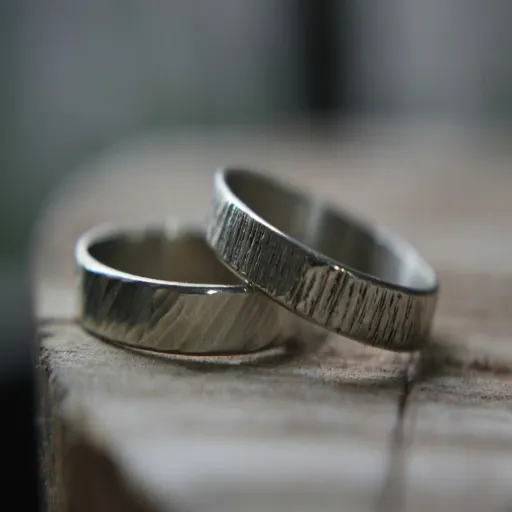
When comparing stainless vs sterling silver for engineering applications, the property differences are significant and decisive:
| Property | 316L Stainless Steel | 925 Sterling Silver | Advantage |
|---|---|---|---|
| Density | 8.0 g/cm³ | 10.36 g/cm³ | 316L (lighter) |
| Melting Point | 1370-1400°C | 799-899°C | Sterling (lower processing cost) |
| Tensile Strength | 485 MPa | 207-214 MPa | 316L (2.3x stronger) |
| Hardness | 95 HRB | 52-71 HV | 316L (significantly harder) |
| Elastic Modulus | 193 GPa | 71 GPa | 316L (stiffer) |
| Electrical Conductivity | ~2.5% IACS | 96% IACS | Sterling (38x more conductive) |
The tensile strength differential is particularly crucial for structural engineering applications. 316L stainless steel can endure more than double its yield point, which establishes it as the optimal material for components that bear loads and face impacts, and wear.
The electrical conductivity of sterling silver reaches 96% IACS, which makes it essential for use in electrical contacts and switches and other applications that require efficient current flow.
Corrosion Resistance Analysis
The industrial applications of stainless steel and sterling silver reach their most decisive point at this location.
316L Stainless Steel Corrosion Mechanism:
The chromium content (16-18%) forms a passive oxide layer approximately 2-3 nanometers thick. This layer exhibits the following properties:
- The material can self-repair its damaged areas.
- The material maintains its protective capacity against oxidation until it reaches 870°C.
- The material prevents most corrosive substances from entering its protective barriers.
- The material develops enhanced protection against chlorides through molybdenum addition.
In salt spray testing per ASTM B117, 316L typically exceeds 1000 hours without visible corrosion. This performance explains its dominance in marine hardware, coastal architecture, and chemical processing equipment.
925 Sterling Silver Corrosion Mechanism:
The copper content in sterling silver reacts with atmospheric sulfur compounds (hydrogen sulfide, sulfur dioxide) to form silver sulfide (Ag₂S), the black tarnish layer familiar to silver owners. This reaction occurs:
- The process happens when air exists at standard atmospheric conditions.
- The process happens at increased rates when the environment has high levels of moisture.
- The process happens at faster rates when chlorides (saltwater) exist.
- The process requires protective coatings to achieve complete prevention.
While the tarnish layer is superficial and can be removed through polishing, the ongoing maintenance requirement makes sterling silver unsuitable for applications where a consistent appearance is critical without regular intervention.
Environmental Performance Summary:
| Environment | 316L Stainless Steel | 925 Sterling Silver |
|---|---|---|
| Saltwater/marine | Excellent (years without degradation) | Poor (tarnishes within days/weeks) |
| Fresh water | Excellent | Moderate (slow tarnishing) |
| Industrial atmosphere | Good (may show slight staining) | Poor (accelerated tarnishing) |
| Chlorinated water | Good | Poor (silver chloride formation) |
| Body contact/sweat | Excellent | Moderate (tarnishes with acids in sweat) |
Workability and Processing Characteristics
Manufacturers choose materials based on processing requirements in addition to required performance properties for product usage.
Machinability:
Machining 316L stainless steel presents challenges because of its work-hardening properties, which require cutting tools to maintain sharpness and proper design to prevent work-hardening of the cut surface. The material has a machinability rating that ranges between 35 and 40 percent when compared to free-machining 1212 steel. Production work requires the use of carbide tooling.
Sterling silver machines readily with standard high-speed steel tools. The material produces clean chips while its work-hardening tendency remains controlled. The primary concern involves surface scratching during machining operations because of the material’s softness.
Casting Characteristics:
Sterling silver serves as the optimal material for investment casting, which represents the primary manufacturing process used in creating fine jewelry. The material achieves a low melting point under 900 °C with excellent fluidity and minimal shrinkage properties, which enable accurate reproduction of intricate details and high yield rates. The main defect problem involves fire scale, which results from copper oxide formation and needs proper flux and atmosphere control.
316L stainless steel requires higher casting temperatures and specialized equipment. Jewelry manufacturers supply the material in wrought forms, which include sheet and bar, and wire products. The industry uses investment casting to produce 316L components because the alloy provides essential performance properties that justify its complex processing requirements.
Welding and Joining:
316L stainless steel supports welding through TIG, MIG, and resistance welding techniques. The material’s low carbon content protects against heat-affected zone sensitization and intergranular corrosion. The process needs post-weld cleaning to reestablish the passive layer.
Sterling silver solders using silver solders with melting points below the base metal. Multiple solder grades (hard, medium, and easy) enable step-soldering through complex assemblies. Jewelry applications require adequate joint strength, which falls short of the strength provided by welded connections.
Durability and Longevity Comparison
Wear Resistance in Real-World Conditions
Elena Martinez started her jewelry business when she selected sterling silver because people valued it, and it had an established market value. Customer service staff experienced a six-month period during which they received complaints about customers who reported problems with their products. Rings were losing their roundness. Bracelets showed visible wear at contact points. The return rate on everyday pieces hit 12%.
For her active lifestyle collection, she chose 316L stainless steel. Two years later, the product line shows a 0.3% return rate because of material defects. The difference between the two entities has been transformed through an undertaking that creates a complete transformation of their identity.
Scratch and Dent Resistance:
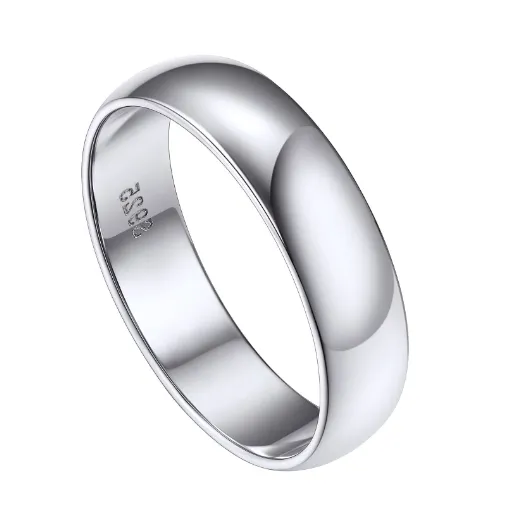
316L stainless steel (95 HRB hardness) resists surface damage significantly better than sterling silver (52-71 HV). In practical terms:
- Keys that people put in their pockets will not create scratches on 316L jewelry.
- Sterling silver shows scratches from normal contact with hard surfaces.
- 316L maintains its original size after experiencing forceful contact.
- The metal, sterling silver, will experience permanent damage when exposed to low-level force.
Long-Term Structural Integrity:
Stainless steel shows better elasticity than stainless steel through its higher elastic modulus, which allows it to return to its original shape after being stressed. This is why 316L is preferred for:
- Ring shanks that must maintain circularity
- Clasps and hinges that cycle repeatedly
- Body jewelry that experiences movement and pressure
Maintenance Requirements and Lifecycle Costs
316L Stainless Steel Maintenance:
The maintenance needs of this material are very low. The cleaning process uses mild soap and water to eliminate all oils and dirt that have built up on the surface. The material retains its original appearance because its passive oxide layer prevents tarnishing, which eliminates the need for both polishing and protective coatings. The maintenance requirement for this product is almost nonexistent, which makes it valuable for both standard use and industrial usage.
925 Sterling Silver Maintenance:
The maintenance needs of the material require substantial effort. The sterling silver material needs protective coatings because it is susceptible.
- The process involves using specialized cloths or compounds for regular polishing.
- The item needs to be stored inside anti-tarnish bags, which contain absorbent strips.
- The user needs to prevent contact with chlorinated water and sulfur compounds, and specific cosmetics.
- The user needs to get professional refinishing services for pieces that have developed serious tarnish.
The costs of maintaining the system exceed the initial material costs because of the maintenance work. The total cost calculation for commercial jewelry operations requires accounting for both time and materials needed to manage tarnish.
Cost Analysis: Materials and Manufacturing
Raw Material Cost Considerations
The price difference between stainless and sterling silver on raw material will differ. At arbitrary and unpredictable intervals, stainless steel will experience a wide divergence from sterling.
Stainless Steel Pricing:
Typically, 316L stainless steel performs relatively well, but is sporadic in the commodities of chrome and nickel. As of now, it is US$ 3000-5000 per ton in the case of commodity form at the mill. No multiple or changing prices. Therefore, this price stability provides a prospective planning of the budget over a number of years to come for projects as well as predictable cost returns derived from production runs.
Sterling Silver Pricing:
Sterling silver prices, unlike stainless, vary almost with the steps carried out in the market and are directly connected to silver’s spot price, making it more volatile.
Given the price, it costs approximately 30 per ounce in material. In this view, 900 stands about 900,000 dollars per metric ton (approximately 18-30 times more than stainless steel in gross tonnage but far cheaper than segregated grade 316 applications).
The weight of this component is amplified by about 30% because of the difference in density. The reason is that silver is denser compared to steel; the weights for these two substances are 10.36 g/cm³ and 8.0 g/cm³, respectively.
Manufacturing Cost Factors
Tooling and Processing:
The tooling wear increases with blade tissue toughness, and this consequently requires robust tooling. But unlike this, he says, stainless steel during processing reduces rework, and wasted products are said to have decreased scrap rates as the construction process reaches a higher degree of automation in high-volume fabrication.
Tooling costs drop at the expense of a tool that can cause considerable surface damage risk in sterling silver; the material is quite easy to scratch, requiring careful handling everywhere it is processed. Often, yields from investment casting are great, but the material is very expensive and is undermined once there is a scrap, rework, or defect.
Finishing Costs:
Latches of 316L, having been well polished, have a very nice surface finish without any additional protection, while Standard passivation treatments increase corrosion resistance.
Sterling silver oxidizes and requires an anti-tarnish treatment. That is why it needs to be rhodium-plated, coated with a layer of lacquer, or subjected to customized treatments to maintain good appearance in the long run without requiring further customer maintenance. This makes for a further step in processing and brings in additional material costs.
Total Cost of Ownership
For industrial procurement decisions, initial material cost is only one factor:
| Cost Factor | 316L Stainless Steel | 925 Sterling Silver |
|---|---|---|
| Initial material | Low | High (200-300x) |
| Processing/tooling | Moderate (wear-resistant) | Low (soft, easy to work) |
| Surface protection | Minimal (passive layer) | Moderate to high (plating/lacquer) |
| Maintenance (lifecycle) | Near zero | Moderate to high |
| Replacement frequency | Low (durable) | Moderate (wear/tarnish) |
| Resale/recovery value | Minimal (commodity) | High (precious metal content) |
The resale/recovery value of sterling silver is a unique factor. Scrap sterling commands prices close to spot silver value minus refining costs, while stainless steel scrap returns minimal value. For high-value items, this recovery value partially offsets the initial material investment.
Application-Specific Recommendations
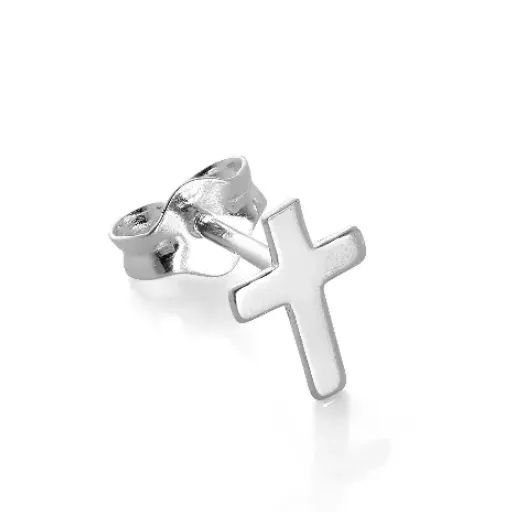
For Jewelry Manufacturers
Choose 316L Stainless Steel When:
- Producing everyday wear items subject to rough handling
- Targeting active lifestyle or sports-oriented consumers
- Manufacturing body piercing jewelry requires biocompatibility
- Prioritizing minimal customer maintenance requirements
- Optimizing for long-term durability and low return rates
- Managing tight margins where material costs matter
Choose 925 Sterling Silver When:
- Positioning as fine jewelry with precious metal value
- Creating heirloom or investment-grade pieces
- Producing intricate designs requiring maximum workability
- Serving customers who value traditional materials
- Manufacturing items for special occasion wear (not daily)
- Where electrical conductivity is relevant (wearable tech integration)
Production Volume Considerations:
High-volume fashion jewelry producers often use 316L for core collections and reserve sterling silver for premium lines where the precious metal justification supports higher retail pricing. The manufacturing efficiency of stainless steel (less handling damage, consistent processing) favors automated production lines.
For Industrial Applications
Marine and Coastal Environments:
For saltwater exposure, clearly, the only option will be 316L. It takes a few days for the corrosive effect of salt on sterling silver, so that wherever the alloys may be situated, the tarnishing usually reaches everywhere quickly, and silver chloride formation adds to this. Marine hardware fittings in boats and architectural elements along coasts also use 316L or higher grades like 316Ti and super-austenitic alloys.
Electrical and Electronic Applications:
Its good conductivity, approximately 96% IACS, makes it a high-performance metal for electrical contacts, switches, and connectors where low apposition resistance is required. In contrast, 316L is not suited to power transmission applications because its conductivity is only about 2.5% IACS.
Chemical Processing:
All of the equipment made to handle acids, bases, and organic chemicals is usually 316L. The passive layer should offer general chemical resistance. Sterling silver’s application depends on specifically required applications wherein the unique properties of silver (for instance, its microbial nature) justify the cost of the material.
Medical and Body Contact:
The two medical applications are different in themselves. 316L is used for medical instruments, body implants, and jewelry used for the body where there is a need for high strength and much corrosion resistance. Silver is historically known for usage in wound care and antimicrobial applications, though modern therapeutic devices more frequently use pure silver or silver compounds instead of alloying it with sterling.
For Procurement Decisions
Volume Purchasing:
Stainless steel is a fantastic material for not only predictable pricing but also stability in the supply chain. Major mills around the world produce 316L, and these come in standard forms with consistent quality. Locking in prices through long-term contracts brings stability to the budget.
Prices are predictable with this material, but the state of the precious metals market has to be monitored since large forward contracts or hedging strategies might be necessary to deal with high volume purchases.
Quality Verification:
For 316L, verify:
- Details and testimonials of mill testing (MTR) of the actual composition
- Conformance with ASTM A276/A240 specification
- Certificate of low carbon content (<0.03%)
- Surface finish and dimensional tolerances
Verification for sterling silver:
- Assay certificates that show its purity in terms of 92.5% silver content.
- Conformance with ISO 9202 or national hallmarking standards
- Fire scale and oxidation resistance for casting grades
- Recycled content certifications in case of any worries about the environment.
Supplier Qualification:
Either material necessitates suppliers that already have quality systems. 316L must have an ISO9001 certification and metallurgical test capabilities. Sterling needs to have an assured volume and hallmarking compliance to most nicely reveal its competency as an evaluated supplier.
Biocompatibility and Skin Sensitivity
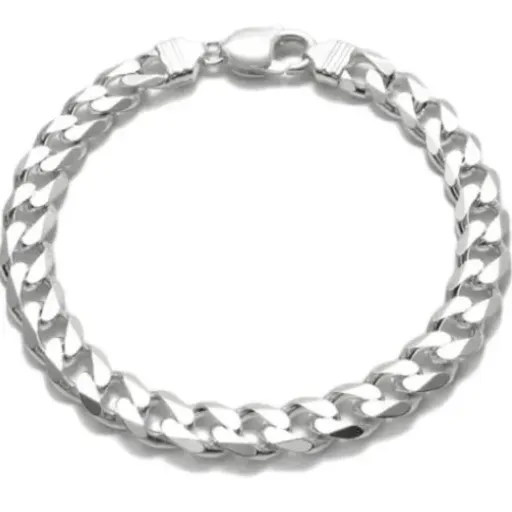
Hypoallergenic Properties
316L Stainless Steel:
Most people consider it hypoallergenic. The presence of chrome oxide on the surface prevents nickel passage on most occasions, even though it does contain approximately from 10 to 14 % nickel. In the case of prolonged skin contact, the nickel directive of the European Union into the body requires a release rate from 316L fit for purpose, since in most cases, it releases under EN 1811.
Those confirmed with hypersensitivity to nickel should consider alternatives like implant-grade ASTM F138 stainless steel or titanium because, for most other individuals, 316L has the least effect on their skin.
925 Sterling Silver:
Standard sterling silver is free of nickel, eliminating the most common worry of being allergic to metal. Usually, only about 7.5% copper is included in appropriate compositions of this material, if any, which is necessary; overwhelming amanuizing effects of this particular substance on the skin would be rare. Copper ions interacting with free radicals attack proteins in the skin, leading to green discoloration. The discoloration is quite harmless, though many people find it quite unsightly.
Low allergenic potential is a unique characteristic of silver itself. Rather than the alloy material being silver and copper, a sterling silver allergy is often related to nickel contamination in the surface or lower-quality alloys.
Medical and Body Contact Applications
Piercing Jewelry Standards:
First-time piercings are recommended to be of implant-grade materials, according to the Association of Professional Piercers (APP). While 316L stainless steel is commonly used for healed piercings and for fashion jewelry, the renowned 316L implant-grade standard (ASTM F138) will have such low inclusions.
Not ideal for a fresh piercing is sterling silver, because copper will affect the healing tissue, and any contamination from tarnish or materials might get into the piercing, making it more hazardous. Therefore, silver suits better than other materials when healing has occurred, and it can be worn externally.
Long-Term Implant Considerations:
In the case of permanent implants, 316L is the most commonly used and originally used by many people, characterized by its rich clinical history and benefits with adequate results. However, modern orthopaedic and dental implants are typically made of titanium or cobalt-chromic alloy when superior bone integration or wear characteristics demand it.
Sterling silver is not used for structural implants because it has poor mechanical properties, such as strength; it may lead to ion release, but not antimicrobial properties, as colloidal silver or the ceramic itself.
Making the Right Choice: Decision Framework
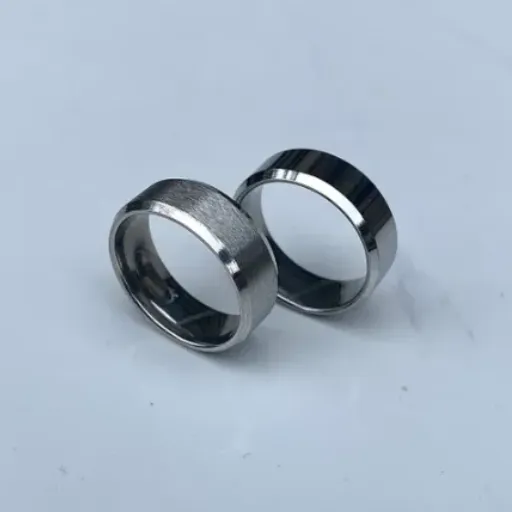
Choose 316L Stainless Steel When
- Corrosion resistance is critical: Marine, chemical, or very high humidity conditions expressly require the protection of the passive layer that only stainless steel can bring.
- Durability under stress matters: Items like those subject to loads, have an impact, or require dimensional stability, favor 316L because of its hardness and strength.
- Low maintenance is a priority: Stoppages or protective measures bind to precious time, which has not been invested where constant polishing is inevitable, and in all of these cases, a self-maintaining surface provided by stainless steel is available.
- Budget constraints exist: Costing 1/200 to 1/300 silver enables competitive or price-leader margins to be achieved.
- Daily wear is expected: Items worn daily, such as rings or any kind of jewelry, accumulate scratches and tarnish.
- Biocompatibility is required: Surgical grade 316L applies to medical-grade sources for body contact applications.
Choose 925 Sterling Silver When
- Expected Metal Value: the art value sequence, and in some investment parties, or legacy designs may tend to prevail over this silver content premium.
- Maximum workability, required is: Silver gold inlaid or engraved patterns need that soft quality of sterling and malleability features.
- Importance of electrical conductivity: Sterling’s 96% IACS conductivity makes it usable for contact applications with lower resistance.
- Very importantly to traditional aesthetics: Silver offers something that luster warm and bright, but stainless steel cannot: cultural and traditional shine.
- Resale or end-of-life recovery values: The intrinsic value and ultimately recoverable volume would be possible with investment in precious metal content.
- Special event use: Very rarely do such items also impose the requirement of periodic touch-ups; sterling would also be appropriate in this case.
Conclusion
In the end, the choice between stainless steel and sterling always comes down to matching material properties with the requirements of the application because each one has its respective strongest applications.
316L stainless steel: involvement with waterproofness, durability, and less maintenance in a project opens an occasion stock. Strength, hardness, and ability to defy environmental conditions make 316L the best choice for wearing regularly, as well as in jewelry, ship hardware, chemical, and high production volume products, where consistency and cost-effectiveness become highly important.
925 sterling: Unbeatable in value as a precious metal, soft, and electrically conductive material, silver is always specified more readily for fine jewelry. It remains as though nothing has changed in more than hundreds of years in electrical contact equipment and heritage-use pieces, and no low-maintenance methods or changes have been specifically applied for replacement.
All of the data points to one conclusion for procurement teams and engineers: first, understand the conditions the system will operate under, then determine the performance requirements and consider the lifecycle expectations. Rather, choose to put the right material in accordance with these requirements. It’s not about sticking to tradition or hot trends; it’s about engineering performance that would meet the requirements set for applications.
Ready to source certified 316L stainless steel or 925 sterling silver for your next project? Our metallurgical team provides technical consultation, material certification, and custom processing to ensure you get the exact specifications your application requires. Request a quote with your technical requirements, and we’ll deliver materials that perform as specified, batch after batch.