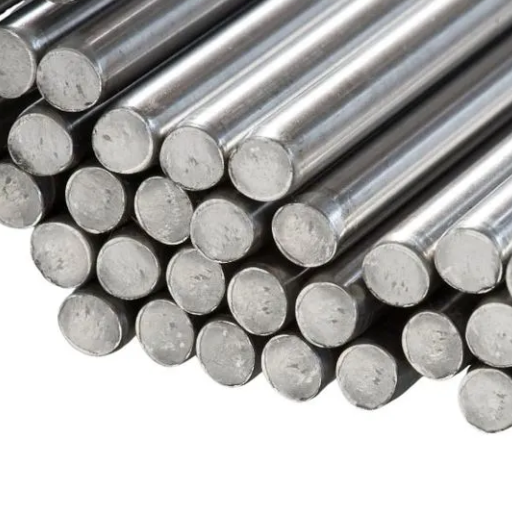
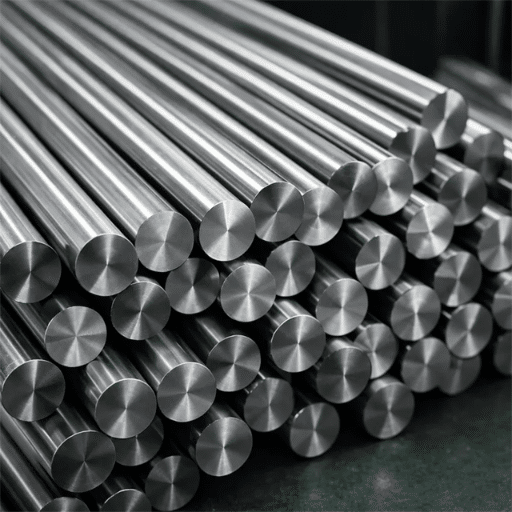
Order 2205 duplex pipe by its exact grade, product specification and edition, manufacturing route, dimensions, delivered condition, and inspection requirements. Choose seamless or welded construction against the approved project requirements. A useful quotation must identify the offered product and the records that will support its acceptance.
Two offers can both say “2205 welded pipe” while leaving different inspection work outside the price. This guide helps procurement and receiving teams compare those offers, define missing fields, and connect delivered material to the purchase order.
Key Takeaways
- Record the UNS grade, pipe specification, edition, and permitted manufacturing route.
- Distinguish A790 welded pipe without filler from A928 electric-fusion-welded pipe with filler and a specified class.
- Define dimensions and inspection scope before comparing commercial terms.
- Reconcile pipe marking, order requirements, and test records before release.
Illustrative scenario. One quotation says only “2205 welded.” Another identifies a specification, grade, and construction class. Ask the first bidder to complete the same fields before comparing them.
Preparing an enquiry? Gather your pipe schedule and document requirements, then use Request Quote on our stainless steel pipe standards guide.
Define the 2205 duplex pipe purchase basis
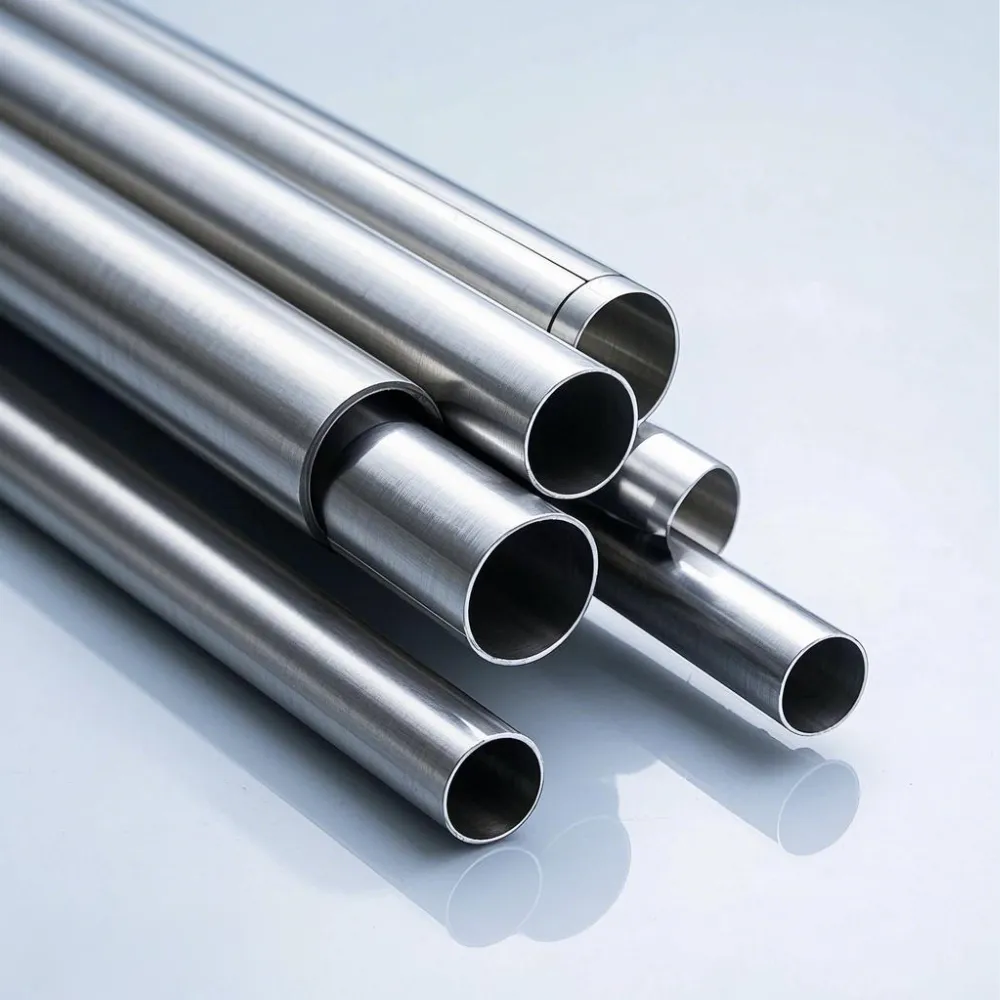
Grade, product form, and edition
Start the material description with the required UNS designation. If the project specifies S32205, carry that designation through the enquiry, quotation, purchase order, and certificate review. A broad “2205” description leaves room for clarification.
Ask the bidder to enter the offered UNS grade on the returned material schedule. Compare that entry with the proposed certificate format and the project material specification. Resolve differences in writing before order approval. Any proposed substitution needs the project’s approval before the order is released.
For the designation decision, see our S31803 and S32205 purchasing guide. Request documentary support for any dual-certification claim against the specified requirements. An EN designation or a familiar trade name also needs an explicit relationship to the ordered material requirements.
Keep pipe and tubing specifications separate. A producer’s SAF 2205 datasheet lists A789 for seamless tube and A790 for seamless pipe. Use this distinction when reviewing a supplier’s certificate and product description. Match the document to the ordered product form. Alleima SAF 2205 datasheet.
Record the adopted specification edition. A supplier’s current catalogue reference can differ from the edition required by a project. Resolve that difference during bid clarification, with the responsible technical reviewer recording the accepted basis.
Material acceptance and service approval
Give engineering the service medium, operating and design temperatures, pressure conditions, applicable design code, and project restrictions. The material order should then reflect the approved grade and route. This sequence prevents a purchasing description from silently becoming the design decision.
Use the duplex stainless steel selection guide for broader context. Where service severity raises a grade question, review 2205 versus 2507 separately. Keep this pipe enquiry focused on the selected material and its acceptance requirements.
Compare seamless, A790 welded, and A928 welded pipe
“Welded” leaves several manufacturing and examination questions open. Split the comparison into three descriptions before asking which offer fits the project.
| Offered route | Description to establish | Purchasing question |
|---|---|---|
| A790 seamless | Pipe made by the seamless route | Does the offer meet the ordered grade, dimensions, condition, and tests? |
| A790 welded | Straight-seam pipe welded automatically without added filler metal | Is this route permitted, and what examination records apply? |
| A928 EFW | Electric-fusion-welded pipe using filler metal | Which class and edition are offered, and what construction and radiography scope follow? |
Seamless and A790 welded construction
Seamless pipe has no longitudinal manufacturing weld. It still needs the material, dimensional, and testing evidence required by the order. Later joining into a spool introduces fabrication welds with their own requirements.
The A790 public abstract describes seamless manufacture or an automatic welding process without added filler metal. Its scope also provides optional supplementary testing requirements that can be ordered. Identify the chosen route and any supplements explicitly in the enquiry. ASTM A790/A790M public scope.
Ask bidders to identify exceptions in a deviation schedule. A generic statement of compliance is difficult to review when the offered route is missing from the quotation. The technical comparison should resolve that omission before procurement treats the bids as equivalent.
A928 EFW and its construction classes
A928 addresses EFW duplex pipe with filler metal. Its public scope describes five classes through construction and radiographic examination differences.
Class 1 describes double-welded pipe with complete radiography. Class 2 describes double-welded pipe without radiography required by that class description. Class 3 describes single-welded pipe with complete radiography. These three descriptions require filler metal in all weld passes.
Check project supplements separately, including any examination added to the selected class. Record the agreed extent on the inspection plan.
Class 4 follows the Class 3 description with a stated exception permitting the inside weld pass without filler metal. Class 5 describes double-welded pipe with spot radiography. Check the construction terminology and detailed requirements in the full adopted edition when clarifying an offer. ASTM A928/A928M public scope.
The class designation must remain attached to the offered product throughout review. Have the designer confirm the proposed route’s acceptability and any design-code consequences. Read our 2205 duplex welding guide for the separate fabrication context.
Illustrative scenario. A bill of quantities calls for A928 with an agreed class, but a bidder offers A790 welded pipe. Record the difference and refer it for engineering disposition. Compare commercial terms after the technical basis has been reconciled.
Specify dimensions, ends, and delivered condition
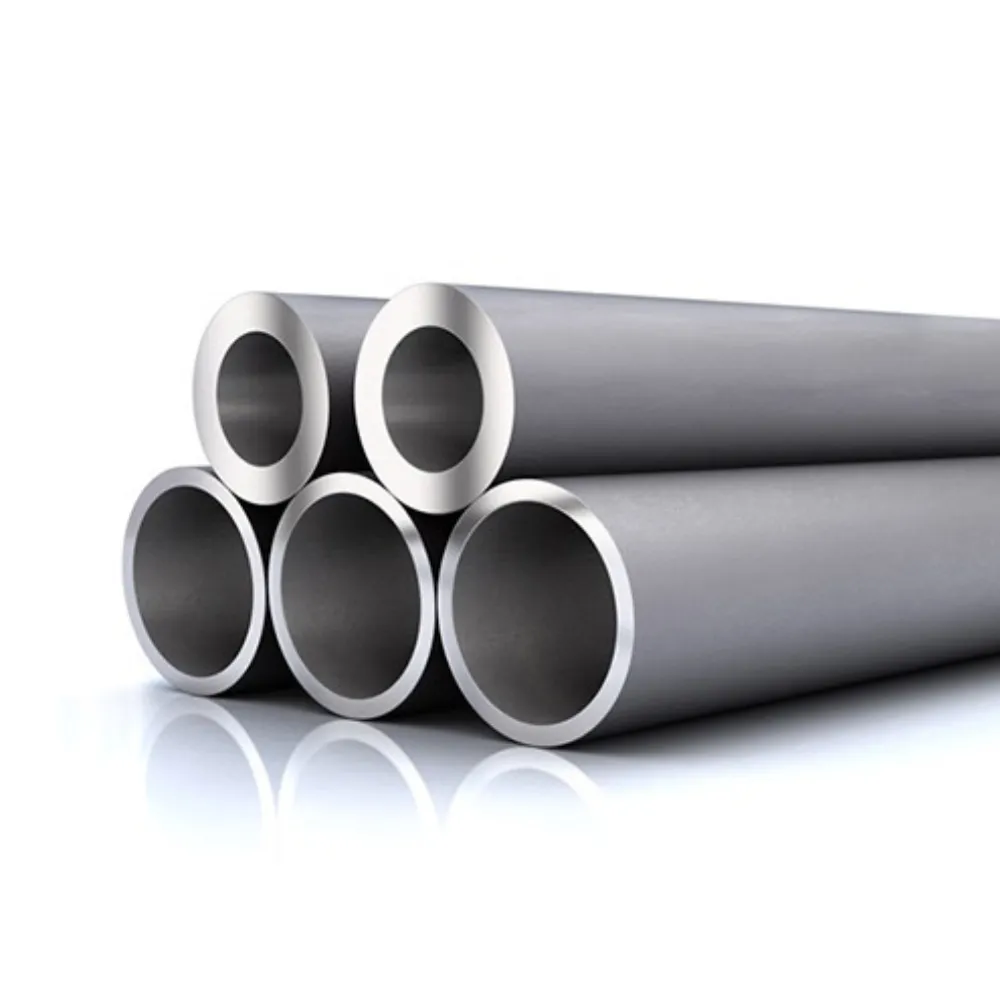
NPS, outside diameter, wall, and length
Give the dimensional reference and unit system alongside the size. For a nominal pipe size (NPS) and schedule description, identify the applicable dimensional standard. For an outside-diameter-by-wall description, state both dimensions and their units. Record whether the wall requirement is expressed on a nominal or minimum basis under the agreed specification.
Add length, quantity, and the acceptance references for wall, diameter, straightness, and length tolerances. If a drawing governs special dimensions, attach its revision. Ask the supplier to acknowledge those fields and identify deviations before approval.
For example, two offers can use the same schedule label but quote different cut-length arrangements. The buyer still needs to reconcile usable lengths, end preparation, and quantity. Keep those differences visible on the bid comparison so the receiving team inherits the agreed requirements.
A790’s public scope references pipe dimensions and treats its SI and inch-pound systems independently. Use the ordered system consistently when checking the applicable requirements. Engineering must establish the required wall and any allowances under the governing design basis. ASTM A790/A790M public scope.
Ends, surface, and delivery condition
Specify plain or beveled ends and the governing preparation detail. Include the agreed surface condition, cleanliness, marking, and end protection. Connect packaging requirements to the handling and storage expected after delivery.
Record the required heat-treated condition and the evidence expected for it. A producer’s example temperature range cannot supply the complete treatment procedure for every offered product. The applicable specification, product, and approved processing route establish that requirement.
Our duplex heat-treatment guide covers the thermal context in more detail. At purchasing level, the task is to make the required delivered condition explicit and obtain matching records. If later cutting, forming, or welding introduces additional controls, assign them to the appropriate fabrication documents before work begins.
Build an inspection matrix for 2205 duplex pipe
A pressure-test record, a seam examination report, and a chemistry result answer different questions. Non-destructive examination (NDE) is the general term used here for the specified examination methods. Build the inspection matrix before ordering. Give each required result a defined scope and review route.
The following is a planning template. Project engineering and inspection personnel must complete its criteria and approval fields.
| Requirement source and edition | Product zone | Method | Extent or sampling | Acceptance reference | Required record | Witness or hold point | Reviewer |
|---|---|---|---|---|---|---|---|
| Ordered grade and specification | Heat, lot, and identified pipe | Identity and material-record review | As specified | Ordered grade and applicable clauses | Linked certificate and marking record | Define in plan | Material reviewer |
| Product specification and project inspection plan | Pipe body or longitudinal seam, as applicable | Required pressure test or NDE method | Define applicable coverage | Approved clause and procedure | Identified test report | Define before testing | Inspection reviewer |
| Approved supplementary requirement | Specified specimen and product zone | Selected phase, toughness, or corrosion method | Define lot and sampling basis | Approved method and criterion | Traceable result | Define before sampling | Materials authority |
Connect identity, chemistry, properties, and condition
Follow the chain from purchase-order line to manufacturer, heat or lot, pipe marking, and supporting records. Check that the reported grade and product description match the order. Then review the required chemical, mechanical, and condition evidence under the applicable specification.
Request the inspection-document type required by the project. Agree who issues it and what identification it must contain. Ask for a sample document format during bid review when the record structure is unclear. This allows the buyer to resolve missing fields before shipment documentation is assembled.
Define test purpose and examination scope
For each required test, record the method, inspected zone, coverage or sampling, acceptance reference, and report identifier. Obtain the detailed requirements from the adopted specification and approved inspection plan. A public abstract cannot settle every test alternative or project supplement.
For a seam examination report, check the identified seam, method, and examination extent against the order. When a required report is absent, leave that release item open and request the missing evidence. A separate pressure-test result does not fill in its examination coverage.
Separate the mill’s longitudinal-seam evidence from records for later spool or field welds. The latter belong to the applicable fabrication procedures, personnel qualifications, and production inspection plan.
Scope additional phase and corrosion testing
ASTM A923 addresses the effects of harmful intermetallic phases. Its methods include etching, impact, and ferric-chloride testing.
These methods do not detect every cause of reduced toughness or corrosion resistance. Select the applicable method and conditions through the approved technical requirements. ASTM A923 public scope.
If the order requires ferrite measurement or positive material identification (PMI), define the method, location, extent, and acceptance basis. Review those results alongside the other required records. Weld appearance alone leaves the order’s identity, property, and examination checks unresolved.
For an enquiry, attach this completed matrix with your bill of quantities through Request Quote on the pipe standards guide. Ask the quotation to identify the included inspection scope and exceptions.
Use one RFQ and receiving checklist
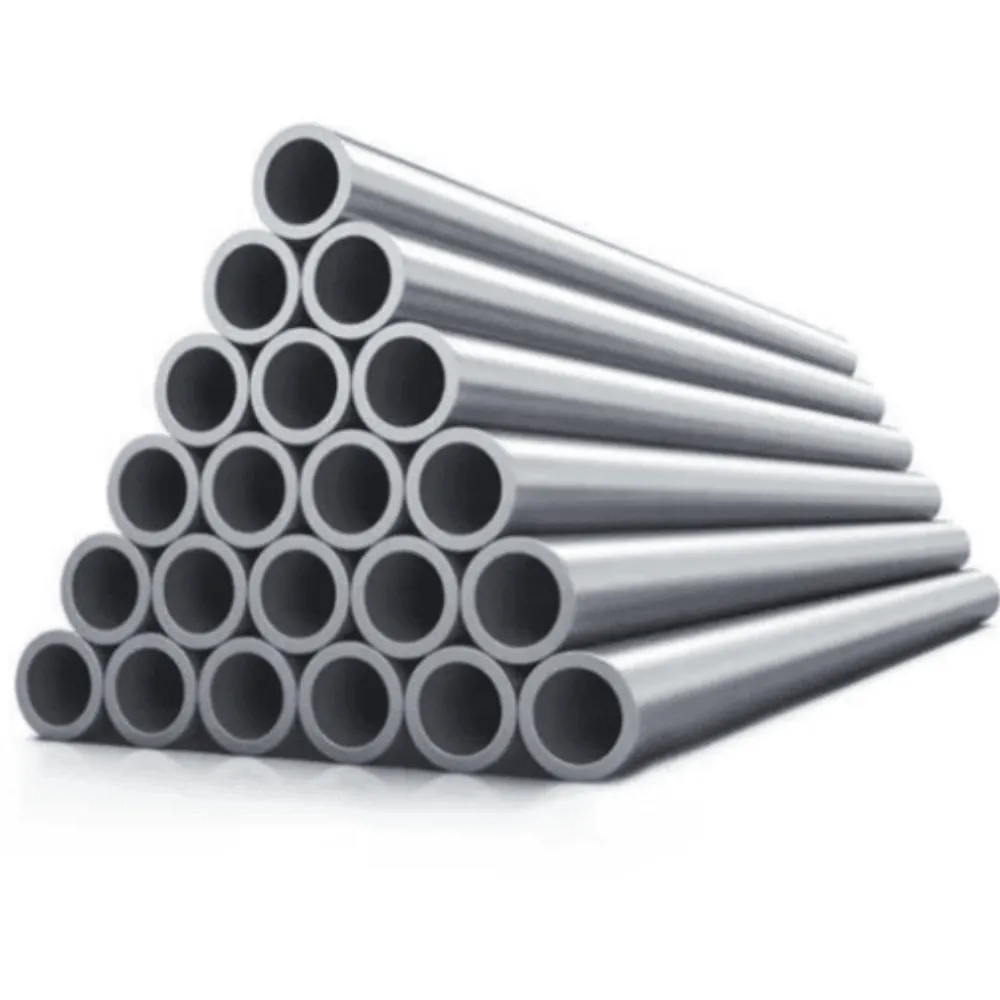
Prepare a comparable enquiry
Carry one line-item checklist from request for quotation (RFQ) through receiving. The workflow below is a practical purchasing recommendation. Complete its technical fields from the approved project documents.
- Required UNS grade, product specification, and adopted edition.
- Permitted manufacturing route and A928 class where applicable.
- Dimensional reference, unit system, size, wall basis, lengths, and quantity.
- Ends, surface condition, heat-treated condition, marking, and packaging.
- Inspection-document type and completed test matrix, including supplements.
- Witness or hold points, document submission timing, delivery location, and requested date.
- Supplier deviations and the named authority for accepting them.
State which attachments govern each order line. Use a document register where several drawings or inspection-plan revisions apply. Ask bidders to return the checklist with clear acknowledgments and a separate list of exceptions. An unfilled field should become a clarification item during evaluation.
Compare the complete commercial scope
Review quantity and usable lengths, end preparation, included tests, documentation, packaging, and freight terms together. Ask how additional inspection or witness arrangements affect the offer. Confirm the offered delivery basis against the requested location and date.
Keep the deviation register beside the price comparison. A price comparison is useful once the technical scope is aligned. If an exception is accepted, include the written disposition in the order package so receiving personnel can apply it correctly.
Reconcile the delivery before release
- Match the delivery to the purchase order, order line, and accepted deviations.
- Check quantity, identification, visible condition, dimensions, and ends against the agreed receiving scope.
- Reconcile material and inspection records with the delivered heat, lot, and pipe identity.
- Record open items and obtain the authorized disposition before releasing affected material.
Illustrative scenario. A cut length arrives with unclear heat identification, while the accompanying certificate lists several heats. Segregate that length and request the traceability evidence linking it to the correct record. Keep the discrepancy visible until the authorized reviewer records a disposition.
The disposition may require further evidence, correction, concession review, or another approved action. Record who authorized it and which material it covers. Preserve the resulting trail with the receiving record, so the next fabrication or stores team can see the release status.
Identify partial releases by the affected order line and pieces. Keep open items attached to the held material. Before handover, check that the stores record and the inspection register show the same status and reference the same approved disposition.
2205 duplex pipe procurement questions
Is seamless 2205 always better than welded pipe?
Choose the manufacturing route against the project’s approved design and purchasing requirements. Seamless pipe has no longitudinal manufacturing seam, while welded routes require the applicable seam controls. Both still need the ordered material and inspection evidence. A route preference should therefore be documented before quotations are treated as technically comparable.
The route table above helps identify missing offer details.
What is the difference between A790 welded and A928 pipe?
A790’s public abstract describes automatic welding without added filler metal. A928 covers electric-fusion-welded duplex pipe with filler metal and defines construction classes involving welding and radiography. State the required specification, edition, and applicable class on the enquiry, then compare the supplier’s proposed construction and records against those requirements.
Have the technical reviewer resolve any proposed substitution.
Does an A928 class make pressure design unnecessary?
The A928 class identifies construction and examination provisions within that specification. Engineering must still establish the pipe’s suitability under the governing design code, service conditions, dimensions, and project requirements. Keep the class attached to the material description and send route changes to the responsible designer for review before purchasing approval.
Record that design disposition with the order documents.
Can an A789 tube certificate satisfy an A790 pipe order?
Check the certificate against the product specification required by the order. A789 tubing and A790 pipe have distinct product descriptions, even when the alloy designation is familiar. Ask for evidence of compliance with the ordered specification and obtain approval for any proposed substitution before accepting the delivered product.
The grade name alone leaves this question unresolved.
Are ferrite, PMI, or a neat weld enough to release the material?
Review each result against its defined purpose and the complete order requirements. Ferrite or PMI checks, where specified, address selected acceptance questions. A visually neat weld leaves other required evidence outstanding. Release should follow reconciliation of identity, material properties, condition, dimensions, and applicable test records by the assigned authority.
Use the matrix to track each required check separately.
What if pipe marking and the inspection certificate disagree?
Keep the affected material on hold while the discrepancy is investigated. Compare the purchase order, physical marking, heat or lot references, and traceability records. Ask the supplier for the missing link or a documented correction. Obtain the authorized disposition and preserve it with the receiving record before releasing the material.
Identify the affected lengths clearly during the review.
Close the order with an agreed evidence package
A reviewable pipe order connects the required grade to the permitted route, dimensions, condition, and inspection records. Close technical deviations while evaluating the bid. Then carry the accepted requirements into the purchase order and receiving checklist.
Before approval, assign an owner to every open technical field. Confirm which records are required before shipment and which receiving checks remain on arrival. Where a witness point applies, agree its notice and release arrangements with the parties involved. Keep the approved document revisions accessible to the receiver.
For the cut-length scenario, the next step is to obtain the identity link and a recorded disposition from the authorized reviewer. The receiving record should show the affected piece and its resulting status. That creates a usable handover to stores or fabrication without inventing a successful outcome.
Prepare your pipe schedule, required document type, and inspection matrix, then use Request Quote on our stainless steel pipe guide to discuss the offered supply. Confirm availability, scope, commercial terms, and any exceptions in the quotation before committing the order.