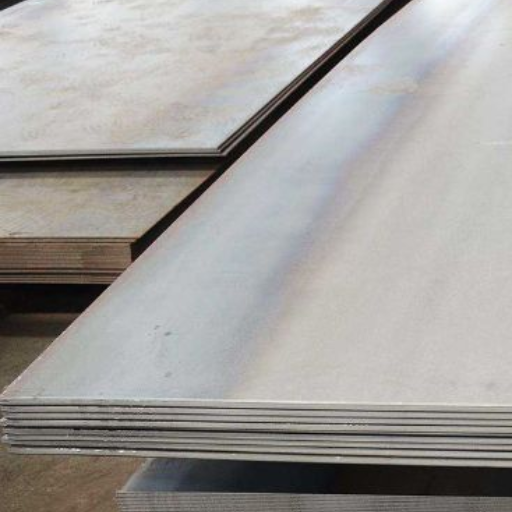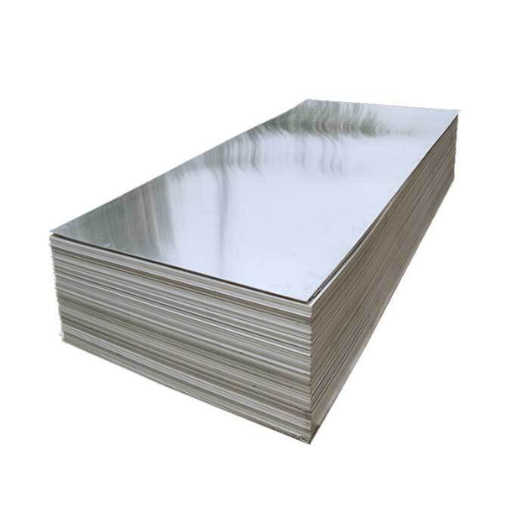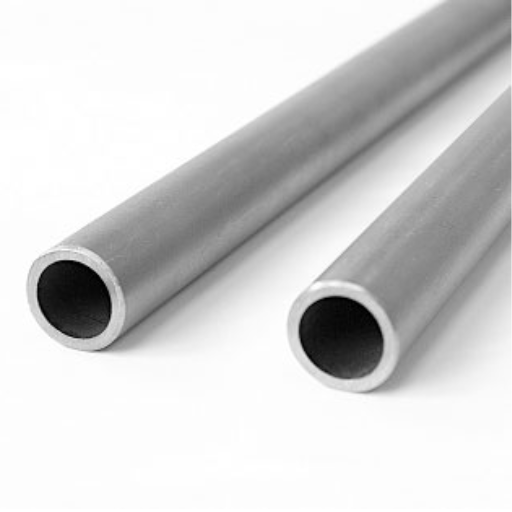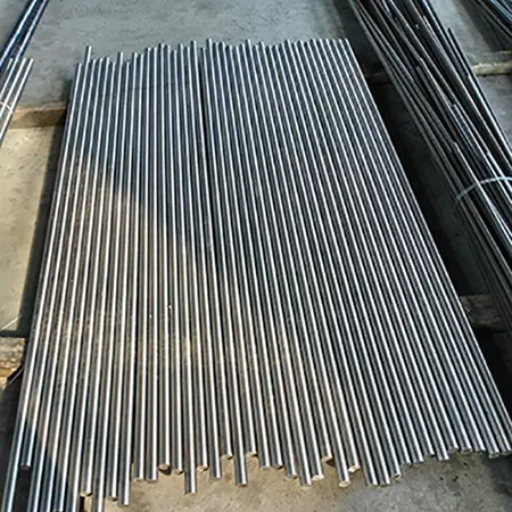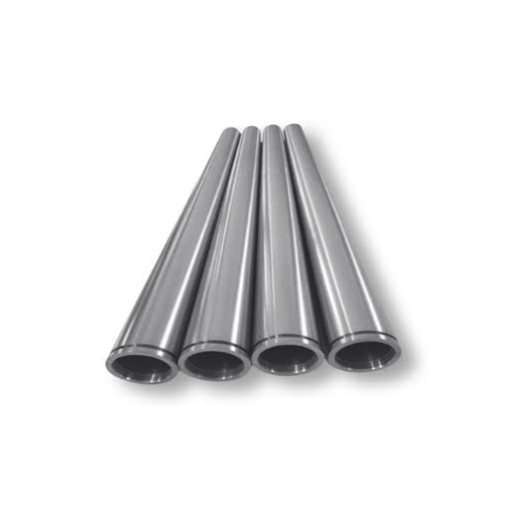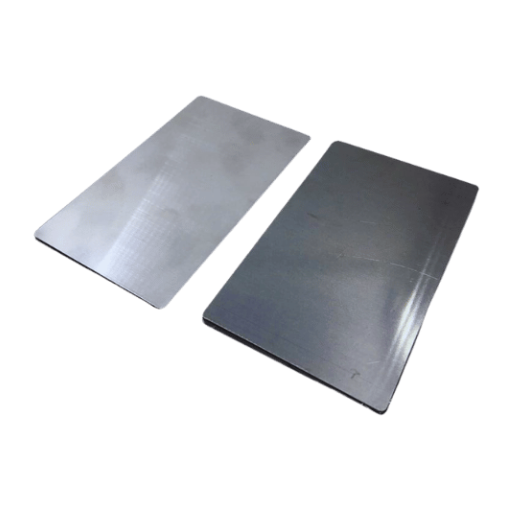
For 2205 vs 2507, assess 2507 when the duty needs more resistance to pitting or crevice attack. Keep 2205 where a review shows it meets the full service needs. A grade name or chemistry index alone cannot approve either choice.
Two quotes can describe duplex stainless steel while leaving the main risk undefined. You need to know what touches the metal, how hot it gets, and what happens when flow stops. This guide links those inputs to the grade, shop work and a fair quote check.
Illustrative scenario: A buyer receives prices for both grades for a water line. Neither inquiry states the water chemistry or shutdown conditions. Choosing the higher grade would leave the same missing information.
First, fill in the service details. Then review each offer.
Before comparing suppliers, record the fluid, temperature range and joint geometry. Use the worksheet below to find what your reviewer still needs. File that review with the order. Check any later grade change against the same duty.
Key takeaways
- Compare exact grade designations and product forms, rather than duplex nicknames.
- Assess crevices, deposits and shutdowns alongside normal flowing service.
- Check code design and fabrication requirements before using higher strength.
- Compare the delivered assembly and document scope, rather than price per kilogram alone.
2205 vs 2507 duplex stainless steel: what the grade labels tell you
Standard duplex and super duplex
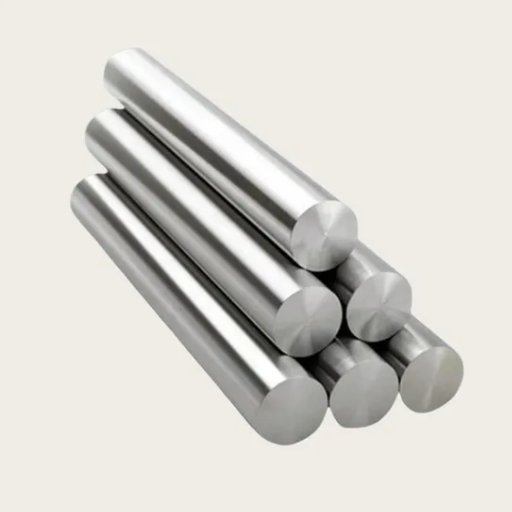
Duplex stainless steels contain ferrite and austenite. Here, 2205 means a comparison based on UNS S32205, while 2507 means UNS S32750. 2205 is standard duplex.
2507 is super duplex. The duplex stainless steel family guide provides the broader family context.
The extra alloy content in 2507 supports greater localized corrosion resistance. That makes it worth a review for harsher duty. It does not approve it for every fluid that contains chlorides. The finished part still needs the right material condition, shop process and tests.
Compare data with their conditions attached
The table shows the maker’s nominal chemistry in weight percent. These are values for Alleima SAF products. They are not the full grade limits or the measured chemistry of your batch.
| Producer nominal chemistry | SAF 2205 | SAF 2507 |
|---|---|---|
| Chromium | 22% | 25% |
| Molybdenum | 3.2% | 4% |
| Nitrogen | 0.18% | 0.30% |
Sources: Alleima SAF 2205 and Alleima SAF 2507. These sheets address the named seamless tube and pipe products. They also provide the mechanical and corrosion guidance discussed below; check the relevant product specification for other forms.
Check three records: the exact grade, the product standard and the test certificate for the batch you receive. A nominal chemistry table helps explain how the grades differ. It cannot replace those records or prove that an order meets its terms.
Keep the 2205 designation question separate
You may see both S31803 and S32205 on 2205 documents. A short label cannot prove the exact chemistry limits. Nor does it prove dual certification or that the goods meet the order.
Write down the exact grade you need. Check the order and test certificate against it.
That designation check differs from deciding between 2205 and 2507. For this comparison, hold the S32205 baseline constant. If you change the assumed 2205 chemistry, you also change the starting point.
The grade gap can then look different before you have checked the service. Put the exact UNS grade and product form first on your worksheet. Add the source and date beside each value you use.
If one offer covers plate and the other covers tube, ask for a matched pair. This keeps a change of product form from looking like a change of grade alone.
Match corrosion resistance to the whole service condition
Pitting, crevices and shutdowns
Start with the bulk water chemistry. Pitting attacks small spots on a surface. Crevice corrosion can occur in tight, shielded gaps, such as those beneath gaskets.
Deposits and joints matter too. Water trapped in a branch may differ from the main flowing stream.
The producer sheets discuss localized corrosion and laboratory comparisons. A critical pitting temperature, or CPT, comes from a set test method and fluid. It does not set a safe temperature limit for every pipe system. Change the fluid, surface or shape, and you need to review the duty again.
Build a service-data sheet before asking which grade is suitable:
| Input to record | Detail that matters to the review |
|---|---|
| Fluid and contaminants | Full composition, chloride range, pH and relevant impurities |
| Temperature | Normal duty, peaks, cleaning cycles and duration |
| Flow and shutdown | Stagnant branches, draining, drying and restart conditions |
| Surface and geometry | Gaskets, deposits, narrow gaps and weld surfaces |
| Treatment and cleaning | Oxidants, cleaning chemicals and their concentrations |
| Acceptance basis | Applicable project requirements and supporting service or test data |
Illustrative scenario: A flowing header and a closed, gasketed branch share the same water supply. The branch introduces a stagnant area and a crevice. Review that branch on its own.
An open-surface test does not cover the whole assembly. This example raises a question. It does not predict failure or how long the part will last.
Record where each input came from. A water test, a design value and a guess are not the same kind of evidence. If a peak level is unknown, mark it as missing.
Do not fill the gap with an average. The record is then easier to check when the process changes.
Where 2507 deserves assessment
Assess 2507 when the service calls for more resistance to local attack than the proposed 2205 can show. Review chlorides, temperature, oxidants and crevice shape together. A higher grade can add resistance. You still need to know the service details.
Keep 2205 when sound evidence supports it for the whole duty. Past use of the grade is useful. But success in open flow elsewhere does not prove it will suit a part with trapped water or crevices. Keep the supporting evidence specific to the proposed use.
Pitting resistance equivalent number, or PREN, is an index based on chemistry. It helps screen alloys for localized-corrosion resistance. It cannot cover every surface, weld, deposit or service condition.
A higher PREN helps guide the review. It does not approve the part.
Acid and sour duty need their own review
Do not extend a chloride-water comparison to every process acid. Acid concentration, impurities and temperature affect how the metal corrodes. The separate 904L versus 2205 comparison introduces an adjacent alloy choice; you still need source data for the actual acid duty.
Hydrogen-sulfide service needs its own review too. Check the applicable project standard edition, environmental limits and material condition. A maker’s listed approval does not cover every sour environment.
If service data are missing, hold the choice. Neither grade resists every condition.
Check strength, temperature and fabrication before an upgrade
Proof strength is not a wall-thickness instruction
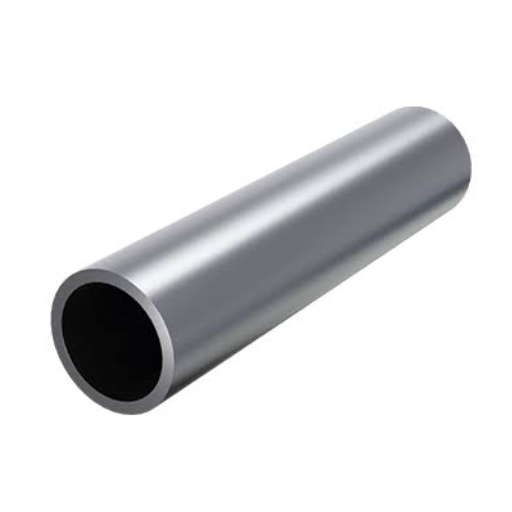
The cited Alleima sheets list minimum 0.2% proof strengths of 485 MPa for SAF 2205 and 550 MPa for SAF 2507. These values apply at 20°C to the stated solution-annealed seamless tube and pipe scope with walls up to 20 mm. The 2205 sheet also notes a thin-wall guarantee exception; confirm the exact size requirements.
Use those values to compare the named products. They are not minimum values for every plate or bar. They are not code allowable stresses either.
Before making a wall thinner, the designer must check the code and design temperature. Sizes, tolerances and joint rules also need review. You cannot approve a thinner wall just by dividing the two proof-strength values.
Ask which property sets the design limit. For one part, pressure may set the limit. For others, stiffness, fatigue or the thinnest usable wall may govern.
More strength helps only if the design can use it and still meet the other needs. Review a change in size on its own, as well as the grade change.
Temperature involves different limits
Corrosion temperature and thermal stability are different limits. One deals with attack in a fluid. The other deals with changes in the metal when it is hot.
The maker’s sheets warn of lost toughness after long periods at high heat. A corrosion test cannot clear that separate risk.
Do not give both grades one blanket upper temperature limit. Check temperature, exposure time, material condition and code together. Check low-temperature toughness where the duty calls for it. Super duplex alone does not solve every temperature or strength limit.
Qualify the route to the finished component
The IMOA duplex fabrication handbook, third edition (2014) explains why welding, thermal history and surface condition matter. It gives shop guidance. It is not a welding procedure for your project. The fabricator needs a qualified route that suits the grade and part on the order.
Review filler selection, shielding and purge arrangements, heat control, cleaning and specified tests with the welding engineer. A neat-looking weld does not prove phase balance or corrosion resistance. Agree the tests and records before work starts. A photo of the finished part cannot replace them.
Review machining and forming before a grade change too. Check that the shop process, tools and size plan suit the grade. For a general introduction, see the stainless steel welding overview. Keep detailed weld settings and heat-treatment steps in their own qualified procedures.
Compare procurement and installed cost on the same basis
Define a like-for-like request for quotation
Compare price per kilogram only when both offers cover the same needs. Use a request for quotation, or RFQ, that fixes the comparison basis. Ask suppliers to list gaps and changes beside each item. A lower total should not hide missing work.
Include these fields in each RFQ:
- Exact UNS grade and product form.
- Sizes, tolerances, quantity and delivery condition.
- Product standard and required edition.
- Test documents and batch traceability.
- Extra tests the project needs for acceptance.
These are terms you request. Do not assume any supplier includes them.
Keep price, freight, packaging and delivery terms consistent. Ask what sizes and quantities are available, and date the reply. A catalog entry does not prove stock or an agreed delivery date.
If an offer changes thickness or shop route, get a technical review first. Then compare the cost.
Include fittings and weld scope
Illustrative scenario: A compact process skid includes straight pipe, reducers, flanges and several welded joints. A buyer compares two pipe-only prices. The useful next step is to request matching bills of material, fabrication and inspection scope for each option. You cannot claim a saving until both offers cover the same assembly.
Split the quote into clear cost lines:
- Base material and fittings.
- Fabrication and inspection.
- Surface finishing.
- Packaging, freight and delivery.
This keeps the comparison readable and shows which differences need clarification. It also shows which work a supplier has left out. Use actual project quotes to measure any premium.
No fixed percentage captures the cost difference for every form, quantity or location. Likewise, a higher purchase price does not prove lower lifetime cost. To compare lifetime cost, you need sound estimates for upkeep, replacement and downtime.
If those estimates are unsure, show that. Do not promise a payback.
Approve substitutions in writing
Review the specification when someone proposes a change from 2205 to 2507. Check material identity, design, joining, mating components and acceptance documents. Calling it an “upgrade” does not prove that it meets an approved drawing or order.
Prepare a matching RFQ package before approaching Zhonggongte alloy materials. Include the service-data sheet and drawings with the commercial request. Ask what can be offered against that package and what falls outside it. Do not assume a size, certification or lead time is already available.
2205 vs 2507 selection checklist and common questions
The aim is a recorded choice with clear limits. Use this checklist to see what can be accepted and what still needs review:
- Identity: Are the UNS designation, product form and delivery condition explicit?
- Service: Are chemistry, temperature peaks, shutdowns and crevices described?
- Design: Has the responsible reviewer checked code requirements and any dimensional change?
- Manufacture: Is the fabrication route supported by the required qualification and acceptance evidence?
- Purchase: Do both quotations cover the same items, tests, documents and delivery terms?
Record the evidence and reviewer for each answer. If an item remains open, name the missing information and who must supply it. Do not hide a guess in a note that says “2507 preferred.” The record should also say which changes in service would need a fresh review.
Is 2507 always better than 2205?
No. It offers greater localized-corrosion resistance, but suitability depends on the fluid, temperature, component geometry and fabrication route. If 2205 already meets the recorded needs, a higher grade may add no useful benefit. Compare the verified duty and complete purchase scope before deciding whether the change is justified.
Can 2205 be used in seawater?
There is no universal approval from the grade name alone. Review temperature, stagnation, oxidants, deposits and crevices, as well as the finished surface and weld condition. Ask whether evidence supports this exact part and duty. More demanding conditions may warrant assessing 2507 or another material.
Does higher PREN guarantee corrosion resistance?
No. PREN compares selected alloying elements and helps screen materials for localized-corrosion resistance. It does not describe every feature of a fabricated component or its operating environment.
Use it alongside suitable corrosion data, fabrication requirements and service details. A laboratory ranking cannot establish a universal service-temperature or chloride limit.
Can 2507 replace 2205 without changing the specification?
Obtain written approval for the substitution. Check the applicable material and product requirements, design basis, welding qualification, mating parts and acceptance documents. More alloy content or proof strength does not by itself meet an existing drawing or order. Record any approved changes before procurement or fabrication proceeds.
Is 2507 worth a higher quoted price?
It may be when the service review identifies a needed benefit and the full assembly can meet the requirements. Compare identical forms, dimensions, quantities, testing and delivery terms first. Then check the evidence for upkeep or replacement estimates. No fixed price premium or sure payback applies to every project.
Record the decision and its conditions
Return to the opening buyer: the first gain is a full service record and offers that cover the same scope. It is not a grade declared safe without evidence. Retain 2205 where its selection is supported; assess 2507 where more resistance is needed; hold either choice when essential inputs remain unknown.
For a material inquiry, use the inquiry navigation at Zhonggongte and share your service conditions, drawings and RFQ requirements. Keep the technical approval apart from the price quote. File both with the final order.