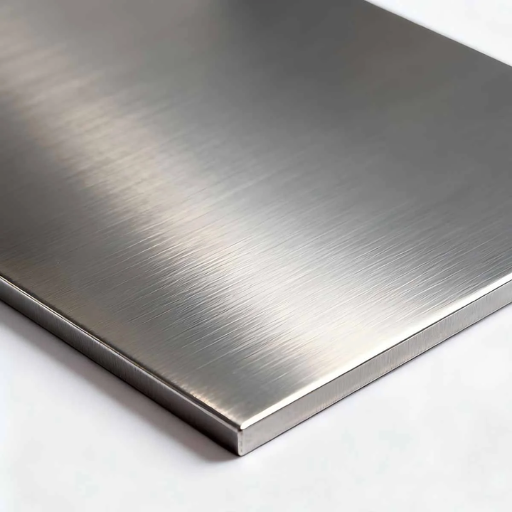
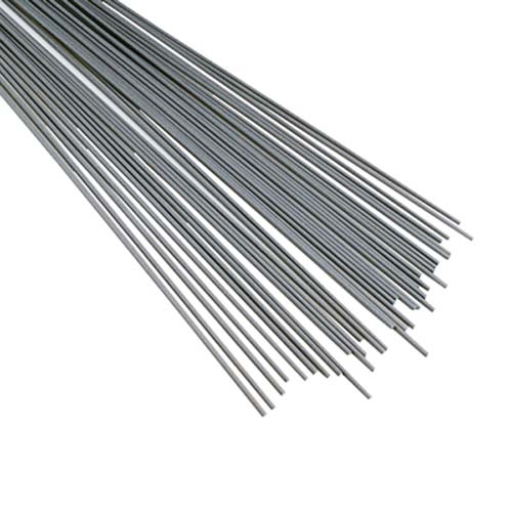
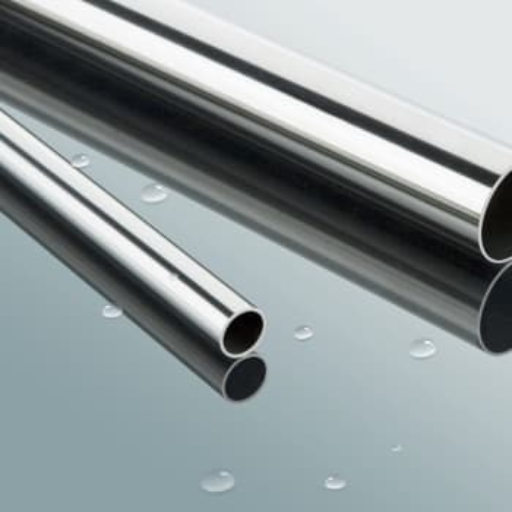
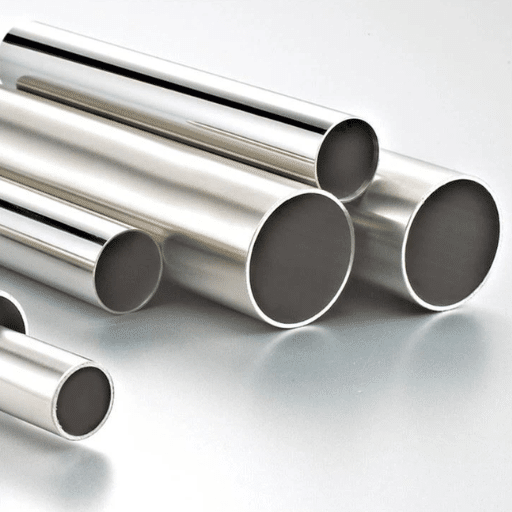
Successful welding of 304 stainless steel requires three specific conditions, which include matching base metal chemistry to appropriate filler wire selection and maintaining heat input levels below 60 kJ/in while using sufficient shielding gas to stop chromium carbide precipitation. Three elements, which include welding chemistry and heat management, and atmospheric conditions, determine the outcome of a corrosion-resistant weld versus a future failure in both GTAW root passes on process pipes and high-speed GMAW production for sheet enclosures.
A fabrication shop on the Gulf Coast learned this the hard way. They welded 304 storage tanks for a chemical plant using carbon steel wire brushes, mild steel clamps, and no back purge on the root passes. The bead looked fine. The X-ray passed. But six months later, rust blooms appeared at every weld joint, not because the 304 stainless steel sheet was defective, but because the procurement specification never mentioned passivation, dedicated stainless tools, or argon back purging. The rework cost $28,000 and a client relationship.
The story exists more frequently than engineers choose to acknowledge. The process of welding 304 stainless steel appears easy for beginners until they encounter its actual difficulties. Projects fail in the space between “anyone can weld it” and “certified, corrosion-resistant welds,” which exists between those two standards. This guide provides all necessary information about metallurgy and technique, along with documentation requirements, which enable you to specify, execute, and verify welding 304 stainless steel for critical applications.
Key Takeaways
- Match 304 base metal with ER308L filler wire to maintain corrosion resistance in the weld metal.
- Keep heat input below 60 kJ/in and interpass temperature under 175°C to prevent sensitization.
- Use 100% argon for TIG and 98/2 Ar/CO2 or tri-mix for MIG to avoid oxidation and sugaring.
- Back purge all root passes on pipe and tube to prevent interior surface degradation.
- Post-weld passivation per ASTM A967 restores the passive oxide layer and prevents field rusting.
- Specify WPS, PQR, and inspection requirements in your fabrication RFQ to avoid costly rework.
The Metallurgy of Welding 304: Why Filler Selection Matters

304 stainless steel (UNS S30400) is an austenitic grade that contains 18–20% chromium and 8–10.5% nickel. The corrosion resistance of 304 stainless steel exists because chromium creates a protective oxide layer. The welding process alters base metal properties because it melts the metal, which changes cooling speed, chemical composition, and crystal structure development. The weld deposit needs proper filler metal because incorrect metal selection will create chromium loss, ferrite imbalance and sensitization, which all result in early failure.
Why 308L Is the Standard Filler for 304
The industry-standard filler wire for welding 304 stainless steel uses ER308L because its chemical composition matches the austenitic structure of the base metal while compensating for weld metal segregation. The “L” in the designation indicates a low carbon content, which creates a maximum limit of 0.03% carbon to reduce carbide precipitation that occurs in the heat-affected zone. AWS A5.9 specifies ER308L with 19.5–22% chromium and 9–11% nickel, which contains slightly higher chromium content than the base metal to counteract chromium loss that happens during arc transfer.
The ferrite number also matters. A small amount of ferrite in the austenitic matrix, typically 3–10 FN, prevents solidification cracking. ER308L welds require specific ferrite levels because the material needs enough ferrite to create a crack-free weld while maintaining resistance to corrosion and preventing sigma phase embrittlement during use.
What Happens When You Use the Wrong Filler
The application of ER309L to 304 results in a weld metal that exhibits chemical composition discrepancies. The elevated alloying elements of 309L increase ferrite production and create intermetallic compounds, which become brittle during thermal cycling. The use of ER316L with 304 introduces unnecessary molybdenum to the base metal, which results in additional expenses without providing any advantages. The use of carbon steel filler material with stainless steel produces disastrous results because the weld will begin to rust within weeks due to the absence of chromium needed to create a protective layer.
Need a certified 304 sheet, plate, or pipe with full MTR documentation for your next fabrication project? Submit your RFQ today, our metallurgical team will confirm grade compatibility and recommend optimal edge preparation within 24 hours.
Dissimilar Metal Welding: 304 to Mild Steel and 304 to 316
When welding 304 to mild steel, use ER309L filler. The higher alloy content dilutes into the carbon steel side without dropping the chromium level below the corrosion-resistant threshold. For 304 to 316 stainless steel, ER316L is the conservative choice because it matches the higher alloy side and provides molybdenum enrichment across the joint. Always check the ferrite number when joining dissimilar austenitic grades, as mismatch can drive cracking under thermal cycling.
TIG Welding 304 Stainless Steel: Settings and Technique
Gas tungsten arc welding (GTAW) remains the preferred process for welding 304 stainless steel in critical applications. It offers precise heat control, clean arc characteristics, and excellent shielding gas coverage, all essential for preserving the passive layer.
TIG Settings by Material Thickness
| Thickness | Amperage (DCEN) | Filler Diameter | Tungsten | Gas Flow (CFH) |
|---|---|---|---|---|
| 0.8 mm (22 ga) | 40–60 A | 1.0 mm | 1.5 mm, 2% lanthanated | 15–20 |
| 1.5 mm (16 ga) | 60–90 A | 1.2 mm | 2.4 mm, 2% lanthanated | 18–22 |
| 3.0 mm (1/8 in) | 90–130 A | 1.6 mm | 2.4 mm, 2% lanthanated | 20–25 |
| 6.0 mm (1/4 in) | 130–180 A | 2.4 mm | 3.2 mm, 2% lanthanated | 22–28 |
Weld 304 requires 20% lower amperage for welding compared to carbon steel, which has the same thickness. The thermal conductivity of 304 steel reaches one-third of the thermal conductivity found in carbon steel, which causes heat to concentrate at the weld zone instead of spreading out. The use of lower amperage protects against burn-through for thin sections while decreasing the size of the heat-affected zone.
Shielding Gas Selection: Why Pure Argon Matters
The welding process for 304 requires 100% argon as the sole shielding gas for TIG welding. The combination of argon gas with TIG welding creates stable arc performance and complete gas protection, which stops atmospheric pollutants from entering the welding area. The use of argon-CO2 mixtures for TIG welding should be avoided because CO2 introduces oxygen, which oxidizes chromium and destroys the protective passive layer. A gas lens collet body enables hand welders to achieve better gas coverage while extending the tungsten distance from the cup for improved visibility.
Back Purging: Preventing Sugaring on Root Passes
Sugaring happens when black oxidation develops as a granular substance on the internal surfaces of stainless steel welds because welders leave the joint’s back side open to air during the welding process. The process creates stress risers while it destroys the material’s ability to resist corrosion. For pipe and tube and sealed enclosure applications, back purge requires argon to flow at 15 to 25 CFH until oxygen levels in the cavity reach 1% or lower. An oxygen monitor should be used whenever it is available. The common error of ending the purge process too soon leads to problems because operators need to keep the root pass and two fill passes active until they finish the removal of the dams.
Tungsten Selection and Puddle Control
The tungsten needs sharpening until it reaches a precise point, which requires a 15 to 20 degree angle. A blunt tip wanders and creates an unstable arc. The tungsten extension must stay between 6 and 10 millimeters from the gas lens in order to preserve laminar gas flow. The puddle color must show silver or straw for acceptance, while blue, purple, or black demonstrates insufficient shielding and excessive heat input. The travel speed needs to be fast enough to maintain a narrow puddle while moving at a speed that enables full fusion to occur.
MIG Welding 304 Stainless Steel: Production Efficiency

Gas metal arc welding (GMAW) offers higher deposition rates and faster travel speeds than TIG, making it the logical choice for production welding of 304 sheet and plate. The trade-off is less precise heat control and greater sensitivity to shielding gas chemistry.
MIG Gas Selection: 98/2 Ar/CO2 vs Tri-Mix
The 98% argon and 2% CO2 mixture creates stable welding arcs that produce less oxidation for short-circuit MIG welding on 304. The tri-mix with 90% argon and 7.5% helium and 2.5% CO2 should be used for spray transfer on thicker materials. The helium increases arc energy while enhancing wetting properties without causing the oxidation issues that result from using more CO2. The maximum allowable CO2 percentage for MIG welding austenitic stainless steels should not exceed 3% because higher amounts result in chromium loss and create stubborn heat tinting problems.
MIG Settings by Thickness
| Thickness | Wire Diameter | Voltage | Wire Feed (IPM) | Gas Flow (CFH) |
|---|---|---|---|---|
| 1.0 mm | 0.8 mm | 20–22 V | 180–220 | 25–30 |
| 2.0 mm | 0.9 mm | 22–24 V | 220–280 | 25–30 |
| 3.0 mm | 1.0 mm | 24–26 V | 280–350 | 30–35 |
| 6.0 mm | 1.2 mm | 26–30 V | 350–450 | 30–35 |
Use pulse spray transfer when possible. Pulsed MIG reduces heat input, minimizes spatter, and produces a flatter bead profile with less clean-up. Inductance should be set at the middle-to-high end of the machine range to promote wetting and reduce cold lap at the toes.
Common MIG Defects in 304 and How to Prevent Them
Lack of fusion at the toes is the most common MIG defect on 304. It happens when the arc is too hot and too fast, causing the puddle to ride over the sidewall without wetting into it. Fix it by reducing voltage 1–2 volts and slowing travel speed.
Other frequent MIG defects include:
- Porosity: Usually indicates contaminated base metal, a draft disrupting gas coverage, or moisture in the wire. Store stainless wire in a climate-controlled environment; humidity causes surface oxidation that translates directly to porosity.
- Cold lap: Occurs when the puddle doesn’t fuse into the toe. Increase inductance and reduce travel speed.
- Spatter: Excessive spatter points to wrong inductance or too much CO2 in the shielding gas. Switch to tri-mix or fine-tune pulse parameters.
- Crater cracks: Always backfill the crater at the end of each weld to prevent star-shaped shrinkage cracks.
Sensitization: The Hidden Weld Defect You Cannot See
The 304 welding defect, which produces sensitization, creates its most dangerous effects because X-ray and dye penetrant, and visual inspection methods cannot detect sensitization. The phenomenon occurs in the heat-affected zone when the material is held in the 425-815°C (800-1500°F) range long enough for chromium carbides to precipitate at grain boundaries.
The Chemistry of Chromium Depletion
The process of carbon moving to grain boundaries produces Cr23C6 when it reacts with chromium to create a chromium-depleted zone that forms next to the boundary. The passive film formation requires a surface chromium content that needs to be maintained above 12%. The material undergoes intergranular corrosion, which attacks the grain boundaries first and turns the metal into crumbly rusted material while the main grain structure remains unchanged.
How 304L Eliminates Sensitization Risk
304L stainless steel sheet contains 0.03% carbon maximum, compared to 0.08% maximum in standard 304. The lower carbon content means less carbon is available to form chromium carbides, even under prolonged heat exposure. For welded structures that will operate in corrosive environments or cannot receive post-weld heat treatment, specifying 304L is the safest approach.
When to Specify 304L Instead of 304
The welded component requires a 304L specification when it will operate at temperatures between 425 and 870 degrees Celsius during service, and post-weld annealing cannot be executed, and the application requires thermal cycles that create sensitizing conditions through multi-pass welding on thick sections without interpass cooling. The standard 304 material provides an acceptable option for structural applications that require welded joints to remain intact in non-corrosive environments and allow for post-weld solution annealing.
Distortion Prevention for 304 Sheet and Plate
The thermal expansion of 304 stainless steel exceeds that of carbon steel by approximately 50 percent. The application of localized heat during welding causes the surrounding cold metal to restrict expansion, which results in compressive plastic deformation. The weld metal and heat-affected zone contract during cooling, which causes the plate to bow and twist and develop angular distortion.
A bakery equipment manufacturer in Ohio welded 304 sheet enclosures for a commercial bread line without fixturing or sequence control. The 1.5 mm sheet bowed 3 mm over a 1-meter span. The mounting surfaces became misaligned with the frame, which resulted in two weeks of CNC rework that delayed delivery. The distortion was entirely preventable.
Fixturing and Clamping Strategies
The initial protection line against threats includes rigid fixturing as its primary defense method. The only acceptable materials for clamps are stainless steel and aluminum, while carbon steel fixtures must be avoided because they create a risk of iron contamination through embedded particles. The tack welding of strongbacks, edge bars, and temporary braces requires using the same welding filler and process that the production welds. The joint should not be excessively constrained because controlled movement is preferable to the development of stress, which will later become unpredictable.
Welding Sequence: Backstep, Skip, and Symmetrical Techniques
The joint requires welding to start from its center point and continue to its outer edges, while backstep welding needs each section to be built from its ending point back to the starting point. The procedure requires a skip-weld to execute through 50 to 100 millimeter segments, which will cool down after each segment before starting the upcoming segment. The welding process needs workers to execute temporary welds across different quadrants instead of placing continuous welds throughout the entire joint area.
Heat Sinks and Interpass Temperature Control
Copper chill bars placed on the back side of thin sheet draw heat away from the weld zone and reduce the heat-affected zone width. The team needs to use a contact thermometer or infrared gun to check interpass temperature. The temperature must remain under 175°C (350°F) for austenitic stainless steel materials. The specifications establish maximum total heat input at 30 to 60 kJ/in, while the procedure requires you to calculate it based on voltage, amperage, and travel speed, and it should be documented in the weld log.
Our service offers pre-cut 304 sheet material with laser-cleaned edges, which is prepared for fabrication. Our cut-to-size service delivers material with minimal mill scale and consistent edge quality, which reduces pre-weld prep time and contamination risk. Contact us for dimensions and lead times.
Post-Weld Treatment: Restoring Corrosion Resistance
Even a perfectly executed weld disrupts the passive chromium oxide film. Heat tint, oxide scale, and surface contamination must be removed to restore full corrosion resistance.
Heat Tint Removal and Mechanical Cleaning
Light straw or silver heat tint can often be removed with a stainless steel wire brush used exclusively for stainless steel. Never use a brush that has touched carbon steel; the embedded iron particles will rust and stain the surface. For heavier tint, use a flap disc designated for stainless (aluminum oxide or zirconia, iron-free) or chemical pickling.
Pickling and Passivation per ASTM A380 and ASTM A967
Pickling removes weld scale and chromium-depleted layers using a nitric-hydrofluoric acid bath or gel. Passivation then rebuilds the passive oxide film using nitric acid (ASTM A967, Method I) or citric acid (Method IV). Citric acid passivation has gained acceptance because it is safer to handle, environmentally friendlier, and equally effective for most 304 applications. The standard procedure is:
- Degrease to remove oils and cutting fluids.
- Pickle to remove weld scale and heat tint.
- Rinse thoroughly with deionized water.
- Passivate in 20–50% nitric acid solution at 20–50°C for 20–30 minutes.
- Final rinse and dry.
Verification Testing: Copper Sulfate and Ferroxyl Tests
The copper sulfate test (ASTM A967) measures passivation effectiveness after its completion. The copper sulfate solution applies to the surface, which causes copper metal to settle on active iron sites while it remains inactive towards completely passivated surfaces. The ferroxyl test detects free iron at lower levels because it produces a blue prussian-blue indicator, which appears on contaminated areas. The material certification package requires both tests to be conducted on representative samples, which should then be documented.
Documentation and Quality Assurance

The EPC contractor issued a purchase order, which specified “304 stainless steel tanks” that needed to be welded. The project lacked a WPS and passivation requirements and inspection standards. The tanks arrived with heavy blue heat tint and carbon steel grinding marks and no corrosion resistance verification. The client inspection resulted in a complete failure of all inspected materials. The procurement specification, which contained only four words, caused six weeks of schedule delays and $14000 in emergency rework costs.
What to Specify in Your Fabrication RFQ
When outsourcing welding 304 stainless steel, your RFQ should specify:
- Base metal grade and standard (ASTM A240 304 or 304L)
- Welding process (GTAW, GMAW, or SMAW) and filler specification (ER308L per AWS A5.9)
- Shielding gas composition and back purge requirements
- Heat input limits and maximum interpass temperature
- Post-weld cleaning, pickling, and passivation per ASTM A967
- Inspection level (visual per AWS D1.6, PT per ASTM E165, or RT per ASME V)
- Documentation requirements (WPS, PQR, weld maps, MTRs with heat numbers)
Welding Procedure Specifications and Procedure Qualification Records
A WPS establishes the welding conditions, which include amperage, voltage, travel speed, filler type, gas flow, and joint geometry specifications. The PQR document records all test welds which were performed to validate the WPS together with its mechanical test outcomes which include tensile, bend and impact tests. The WPS/PQR combination must be implemented for pressure vessels and structural work that follows ASME or AWS codes. The fabricator must provide the document to you that proves that the qualified thickness range includes your production joint.
Weld Inspection Methods
The visual inspection method detects undercut, overlap, porosity and cracks, and heat tint. Dye penetrant testing (PT) reveals surface-breaking cracks that visual inspection misses. Radiographic testing (RT) offers a three-dimensional assessment of internal porosity, absence of fusion, and presence of slag inclusions. The specification for critical process piping and pressure vessels requires 100% RT assessment of longitudinal seams and 10-20% RT evaluation of circumferential joints.
Material Traceability: How Welding Affects Heat Number Tracking
The process of welding multiple heats of 304 into one assembly complicates traceability. Each heat contains distinct chemical elements and MTR. The fabricator must maintain a weld map displaying which heat number was used in each joint. The weld map enables you to identify which components were impacted when an audit discovers an out-of-spec heat during a later time. Your purchase order must include heat number traceability and you need to obtain it through the as-built documentation.
Common Welding Mistakes and How to Prevent Them
Using Carbon Steel Tools on Stainless
The stainless surface becomes contaminated by free iron particles, which break off from the grinding wheels and wire brushes, and the files that workers use on carbon steel. The iron particles that develop rust create cosmetic damage and serve as starting points for pitting. You need to keep a separate collection of tools that you use exclusively for stainless steel work and which you identify through color coding or separate storage methods.
Insufficient Gas Coverage
The open bay doors, together with fans and nearby processes, create airflow that disrupts the shielding gas from reaching the welding arc. The outcome produces oxidation and porosity defects together with chromium metal elimination. Production areas require the installation of windscreens and weld curtains. Hand welders operating in outdoor environments should increase their gas flow by 20 to 30 percent while selecting a larger gas lens cup.
Excessive Heat Input
The operator needs to increase amperage to achieve deeper penetration because this method creates wide heat zones, which lead to material defects through sensitization. Both distortion and grain growth will increase as a result of this process. You need to examine joint fit-up and root opening dimensions before you increase heat because you are currently experiencing penetration issues. When a joint has a tight fit-up with proper gap dimensions, it achieves better penetration through lower heat usage than a misaligned joint, which requires high amperage.
Skipping Back Purge on Pipe and Tube
The interior surface of a pipe weld is just as critical as the exterior. Back purge absence causes the root pass to become oxidized while sugaring takes place, which results in internal corrosion resistance loss. A sugared root weld results in a defective weld for process piping used in chemical, pharmaceutical, and food applications because the cap appears flawless.
Welding Over Contaminated Surfaces
The weld pool becomes contaminated with hydrogen and carbon through the introduction of mill scale, grease, marker ink, and fingerprints. The joint area requires cleaning with acetone or isopropyl alcohol before you start the arc. For a 2B mill finish or No. 4 brushed sheet, the oxide skin needs removal from the joint line at least 25 mm back using a clean abrasive flap disc.
Conclusion
Welding 304 stainless steel successfully comes down to controlling three things: chemistry (filler and base metal match), heat (input and interpass temperature), and atmosphere (shielding and back purge). The weld will hide multiple defects, which include sensitization, contamination, and sugaring, if any one of these three components is handled incorrectly.
The most economical weld occurs when the welding procedure achieves complete success during its initial execution. Proper filler selection requires correct specification, which must include heat restriction enforcement and proper gas shielding and post-weld documentation requirements. The process begins with a base metal that meets certification standards while remaining free from contaminants until the welding operation commences.
Need 304 sheet, plate, or pipe pre-cut and ready for fabrication? Our metallurgical team at Jiangsu Zhonggongte Metallurgical Technology Co., Ltd. will confirm material certification and recommend edge preparation methods for your welding requirements and provide certified material with complete MTR documentation after you submit your RFQ. We respond to technical inquiries within 24 hours.
Frequently Asked Questions
Can I weld 304 stainless steel with a 308 filler?
The answer to your question is yes because you can weld 304 stainless steel using 308 filler material. The standard filler wire for 304 stainless steel welding according to standards requires the use of ER308L wire. The low-carbon “L” grade minimizes sensitization risk. The correct specification for standard 304 applications according to AWS A5.9 requires the use of ER308L wire.
What gas do I use for MIG welding 304 stainless steel?
Use 98% argon / 2% CO2 for short-circuit MIG, or a 90/7.5/2.5 argon/helium/CO2 tri-mix for spray transfer. The maximum allowable CO2 content for this process must not exceed 2-3% because higher concentrations lead to chromium oxidation which results in diminished corrosion protection.
What methods exist for preventing 304 stainless steel from warping during welding?
The use of rigid stainless fixturing together with backstep or skip welding sequences and copper chill bars on thin sections and maintenance of interpass temperature below 175°C will enable you to achieve your goal. You should weld at 20% lower amperage than you would use for carbon steel of the same thickness.
Is post-weld heat treatment required for 304?
The answer to this question is no because 304 austenitic stainless steel does not need post-weld heat treatment for stress relief. The temperature range of 425 to 815 degrees Celsius will make 304 stainless steel reach its sensitization point. The stress relief process needs to use full solution annealing at 1040 degrees Celsius, which must be followed by instant water quenching or 304L needs to be specified to completely prevent sensitization.
Is it possible to weld 304 stainless steel to 316 stainless steel?
Yes. The proper filler material for connecting 304 to 316 should be ER316L. The 316 side needs a higher alloy content because it matches 316, while the joint needs sufficient corrosion protection. The ferrite number needs verification to stop cracking during thermal cycling.
What causes my 304 weld to develop rust?
Three specific problems create rusting welds, which include carbon steel contamination from tools or fixtures or filler material, plus insufficient shielding gas coverage, which results in chromium depletion, plus the omission of post-weld passivation. The ferroxyl test will help you determine the main problem. After that process, you need to either re-passivate or grind the material to reweld it.