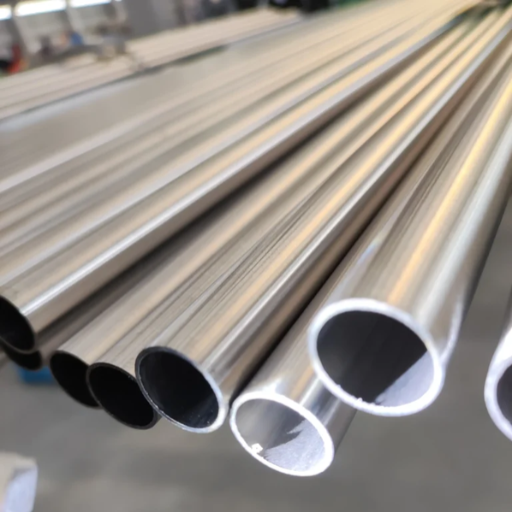
304 stainless steel sheet price trends in 2026 require a dated, specification-specific view: an alloy surcharge, an upstream restart and global production data each describe a different part of the market. As of 21 October, those inputs do not establish one worldwide sheet price or a reliable year-end price target.
For buyers preparing Q4 orders or 2027 budgets, the practical task is to separate the published evidence from the price and delivery terms a supplier will actually offer. This guide explains the October surcharge context, the changed nickel-supply narrative and the questions to ask before committing a budget.
Key takeaways
- Outokumpu’s October North American coil surcharge is a scoped alloy-cost reference, not a finished-sheet quotation.
- Global stainless melt-shop output grew in H1 2026, but that figure does not measure local 304 sheet availability.
- Weda Bay’s September restart announcement updates the earlier shutdown narrative; it does not prove full recovery or lower sheet prices.
- Compare offers using the same grade, dimensions, finish, quantity, currency and delivery basis. Record the price validity and any adjustment terms.
For a project-specific starting point, request a 304 stainless steel sheet quotation with your specification, quantity, destination and required delivery timing.
What drives 304 stainless steel sheet price trends in 2026?

Separate alloy inputs from the complete offer
Outokumpu’s surcharge methodology describes three price components: base price, extras and alloy surcharge. Its examples of extras include dimensions, surfaces and packaging. It also explains that surcharges are product-specific and that calculation periods can differ.
That is a useful framework for reading an offer, rather than a formula to impose on every supplier. Ask whether the quoted amount is a complete material price or a base price with separately payable additions. If an alloy adjustment applies, ask which reference and calculation period govern your order.
Nickel-market references can provide context, but they are not a universal conversion rule for finished sheet. The LME nickel reference page is a general market resource; this guide does not quote a live LME price or assume a fixed pass-through lag.
Keep the specification consistent
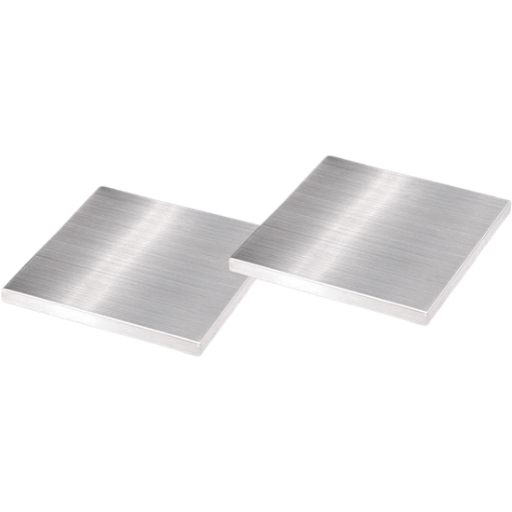
A useful comparison starts with the same purchase requirement. Specify the grade and applicable standard, thickness, width, length, tolerance, finish and quantity before comparing totals. Use our guides to sheet thickness and tolerances and 304 sheet surface finishes to prepare those questions.
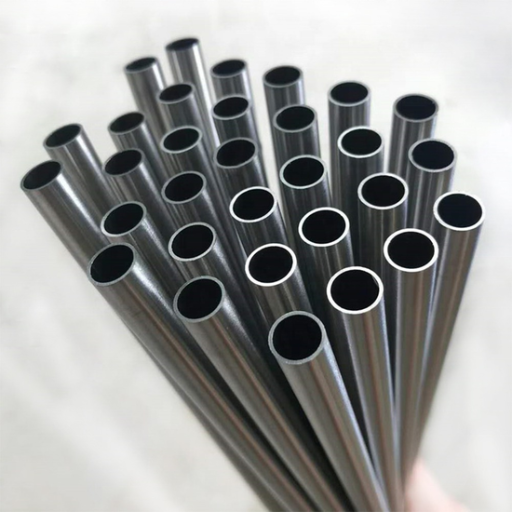
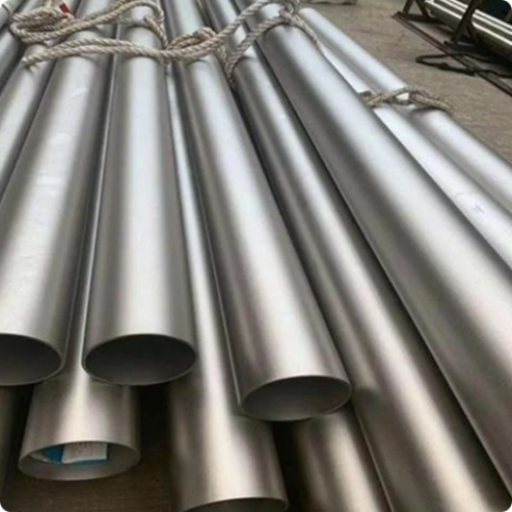
Keep product forms separate too. A report for stainless steel coil does not automatically describe a cut-sheet order. If your project also needs stainless steel pipe, request a separate specification and quotation for that form.
October 2026 alloy-surcharge context
What the North American coil report covers
Outokumpu’s monthly alloy surcharge report, updated on 24 September 2026, covers North American coil products for 1-31 October 2026. Its row for Core 304L/304/4307, listed as ASTM 304L/304 and EN 1.4307, gives an alloy surcharge of USD 0.9342/lb.
Keep that designation, unit, region, form and effective period attached to the figure. It is one manufacturer’s published surcharge for that specific row. It is not a total 304 sheet price, a China FOB export quote or a market-wide average. The linked report can change as later monthly schedules are published; check its heading and effective dates before using it.
What it says about direction
An October value alone cannot show whether a comparable surcharge rose or fell from September. To measure a change, compare the same supplier, designation, region, product form, unit and calculation basis across both periods.
Nor should this surcharge be added to an unrelated sheet price from another region. For the separate task of preparing a quotation request, see our 304 stainless steel sheet price guide, then obtain a dated offer for the required material. Confirm the validity of any listed price before relying on it for an order.
Supply evidence to revisit before setting a budget
Two dated releases help update the supply discussion. Read them alongside the surcharge example, while keeping their different scopes clear.
| Evidence | Date or reporting period | What it establishes | What it does not establish |
|---|---|---|---|
| Outokumpu North American coil surcharge | Effective 1-31 October 2026 | A published surcharge for a specified product row | A global finished-sheet price or monthly direction |
| worldstainless global melt-shop output | H1 2026; released 27 August | All-grade production of 33.0 million tonnes, up 5.0% year on year | Local 304 sheet stock, consumption or future prices |
| Eramet Weda Bay announcement | 10 September 2026 | A progressive restart following four months of care and maintenance | Full recovery, October operating levels or a realized sheet-price reduction |
Global production is not local sheet stock
In its 27 August H1 production release, worldstainless reported global stainless steel melt-shop output of 33.0 million tonnes, an increase of 5.0% over H1 2025.
This is half-year output across stainless grades, not an annual total or a count of saleable 304 sheets. It cannot answer whether your required thickness and finish are available for a particular delivery date. Ask the supplier to confirm availability against the actual order specification.
Update the Weda Bay supply narrative
Eramet announced on 10 September that PT Weda Bay Nickel’s mining operations were restarting progressively after four months of care and maintenance, following authorization from the Indonesian authorities.
At that announcement date, the company said it could not reliably estimate the remaining 2026 production and sales volumes or grades. It identified contractor and equipment remobilization, mining-plan changes and administrative work as factors affecting the ramp-up.
The restart matters because a shutdown-only account is incomplete. The announcement does not establish full production recovery, the site’s October operating level or the effect on a particular mill’s sheet quotations. Treat it as a dated supply development, not proof that procurement risk has disappeared.
Q4 risks and 2027 budget assumptions

The illustration above accompanies a planning watchlist, rather than a numerical quarterly forecast. The following scenarios are conditional budget checks, without assigned probabilities or target prices.
| Assumption to test | Evidence to refresh | Question for the supplier | Decision constraint |
|---|---|---|---|
| Cost pressure increases | The contracted alloy reference and current extras | Which components can change before delivery, and when? | Protect the required delivery schedule and understand adjustment exposure. |
| Input costs ease | Comparable reference periods and renewed offers | Would the adjustment formula pass a reduction through? | Check the commitment and cancellation terms before delaying an order. |
| Reference inputs stay stable | Offer validity, specification and delivery terms | Does the same total still apply to the same requirement? | An unchanged reference input does not confirm an unchanged complete offer. |
For 2027 planning, record a budget quotation with its date, specification, currency, quantity, delivery basis and validity. Ask when it should be refreshed, and keep an indicative budget distinct from an accepted purchase price. Do not extrapolate a North American October coil surcharge into a full-year Chinese sheet budget.
There is no basis in these releases for naming the cheapest buying month or declaring a Q4 price floor. Use updated, comparable offers when deciding whether to buy now, stage purchases or wait.
How to procure 304 stainless steel sheet strategically

Compare offers on a consistent basis
Use the following checklist when requesting or renewing quotations:
| Item | What to record |
|---|---|
| Material | Exact grade, standard and product form |
| Dimensions | Thickness, width, length and required tolerances |
| Surface and processing | Finish, protective film, edge or cutting requirements |
| Quantity | Total requirement and any split deliveries |
| Commercial basis | Currency, pricing unit, named delivery term and place |
| Included costs | Alloy adjustment, processing, packaging and other specified extras |
| Timing | Quote date, validity, availability and required delivery schedule |
| Documentation | Required inspection records, traceability and destination-specific documents |
If two offers differ, ask for the missing information before ranking them by headline price. For example, a conditional comparison between a complete offer and a base-only offer is not yet a like-for-like purchase comparison. Obtain the additions and exclusions first.
Discuss fixed and adjustable pricing
For a fixed-price offer, confirm what is fixed, for which quantity and delivery period, and which charges remain outside the agreement. A fixed material price should not be read as a guarantee that every project cost is fixed.
For adjustable pricing, request the reference source, calculation period, adjustment frequency and treatment of both increases and decreases. Agree how the calculation will be documented before accepting the terms. Neither structure guarantees a saving; assess the commitment against your delivery and budget needs.
Confirm documentation and availability for the order
List the inspection, traceability and documentation requirements in the inquiry, then obtain confirmation for the proposed order. Where imports are involved, confirm destination-specific requirements with the responsible importer or adviser. A general market article cannot determine the documents or charges for every shipment.
Keep grade approval separate from price negotiation. If alternatives such as 430 stainless steel are under consideration, obtain application-specific engineering approval before seeking a substitute quote. A lower quoted amount alone is not an acceptance criterion.
Frequently asked questions
Is there one 304 sheet price for October 2026?
No single figure represents every specification, quantity, region and delivery basis. Obtain a dated quotation for your order rather than treating a published alloy surcharge as the finished-sheet price.
Does an alloy surcharge equal the finished-sheet price?
No. Outokumpu describes base price, extras and alloy surcharge as separate components in its pricing framework. Confirm how your supplier presents those components and what the complete offer includes.
Did the Weda Bay restart remove nickel-supply risk?
The 10 September announcement established a progressive restart, not full recovery. Its remaining-year volume uncertainty was stated at that date; it should not be presented as an unchanged current forecast or as proof of lower sheet prices.
Can I identify the cheapest quarter or month to buy?
The cited releases do not provide a comparable finished-sheet price series that supports that conclusion. Compare current offers and their validity with your required delivery date, storage needs and contract commitments.
What should I provide for a budget quotation?
Send the grade and standard, dimensions, tolerances, finish, quantity, destination, delivery timing and preferred delivery basis. State any inspection or documentation requirements and ask which elements remain provisional.
For your next budget review, use these 304 stainless steel sheet price trends for 2026 as context, then confirm the order-specific terms. Send us your 304 sheet requirements for a quotation so the discussion starts with the material and delivery basis your project needs.