S31803 and S32205 are both UNS designations used for 2205 duplex stainless steel. S32205 has tighter chromium, molybdenum and nitrogen ranges. In an S31803 vs S32205 purchase decision, the name “2205” alone does not prove it meets your order.
Two quotes can look identical until you open the material certificate. One names the specified UNS grade; the other offers only a trade description. If you’re comparing those quotes, start with the required grade and the documents that prove it. This guide explains the chemistry distinction, the limits of dual certification and a way to resolve a mismatch before material is released.
Key takeaways
- Both designations belong to the 2205 family; they are not identical chemistry specifications.
- S32205 raises the lower limits for chromium, molybdenum and nitrogen within the published comparison ranges.
- Chemistry overlap helps with a comparison, but it does not automatically approve a grade change or certify a delivered item.
- Match the UNS designation, product standard, condition, test results and heat identity to the purchase order.
What S31803 vs S32205 means when a quote says 2205
“2205” is a useful family name. A UNS number names the alloy. The product standard sets the rules for the form you buy.
What does that mean for your order? Use both labels so the mill and buyer work from the same request.
The duplex stainless steel guide provides the broader family context. Here the narrower question is whether an offered item meets a specific designation requirement. That distinction keeps a discussion about paperwork from becoming an unsupported claim about fitness for every service.
A grade label is a starting point
Illustrative scenario: A buyer requests S32205 plate. The quotation says “2205 duplex,” with no UNS number or product-standard edition. The buyer asks the supplier to identify the offered grade and any deviations before comparing price. No failure has been proved; the offer is simply incomplete for that purchase decision.
Ask the same question when a drawing says EN 1.4462. Producer literature links this European material number to 2205 and the two UNS names. That helps you read the drawing. It does not prove that two product standards have the same rules in every detail.
Keep three things separate: the grade name, the product form and the rules for acceptance. A catalog can help you find a grade to consider. The order states what the supplier must deliver; the certificate helps you check it. If an offer is unclear, ask what it means rather than assume the best.
Keep that answer with the quote. It should be clear to both the buyer and the person who checks the goods. A note in one person’s inbox is easy to miss when the order reaches the next team.
Before issuing an RFQ, review the duplex family overview and write the exact designation beside the required product form. That small clarification gives every bidder the same starting point.
S31803 vs S32205 chemistry: compare the ranges
The practical chemistry difference is easier to see in a table. These are published grade-comparison ranges in mass percent, not a typical analysis of a particular heat. The ASSDA 2205 grade guide provides the side-by-side comparison. Use the ordered product standard and edition for acceptance under your contract.
| Element, mass % | UNS S31803 | UNS S32205 |
|---|---|---|
| Chromium, Cr | 21.0–23.0 | 22.0–23.0 |
| Molybdenum, Mo | 2.5–3.5 | 3.0–3.5 |
| Nitrogen, N | 0.08–0.20 | 0.14–0.20 |
Read the lower limits first
The upper limits in these three rows are the same. The lower limits change. S32205 narrows the allowed chemistry within the 2205 family.
Look at both ends of each range. The upper limit alone would hide the difference that matters here.
A nominal composition means something else. It describes a producer’s usual material, not the whole allowed range. Don’t compare that value with another grade’s minimum and claim a guaranteed advantage.
First compare limits with limits. Then check the heat analysis against the rules for your order.
The table also shows why the comparison works in one direction. For these three elements, the S32205 ranges fit inside the S31803 ranges. The reverse is not always true.
An S31803 heat may fall below an S32205 lower limit. This is a check of these chemistry rows only. It does not prove that a product meets every rule.
What the table cannot tell you
Chromium, molybdenum and nitrogen matter when choosing a duplex grade. But this table is not a corrosion test. It cannot tell you how many years a part will last.
Service conditions, the state of the delivered material and later fabrication also matter. A tighter range is not a promise of longer life.
Keep the table beside the heat report as a guide to what needs checking. If a result looks wrong, flag the row and ask for review. Do not fill in a missing result from a nominal value on a website.
Producer data also has a defined scope. The Alleima SAF 2205 datasheet concerns its seamless tube and pipe products. Its nominal analysis and properties should not be copied as universal acceptance values for every plate, forging or welded product.
Use chemistry to spot a possible mismatch, then return to the complete order. If a supplier offers a different designation, ask for a documented comparison rather than trying to settle the matter from a single element value.
When dual certification supports a purchase requirement
Dual certification can help when the records show that the material meets both sets of grade requirements. It needs evidence. A slash between two names on a sales label is not enough. A certificate reading “S31803/S32205” must still match the item, the product standard and the tests in your order.
Separate chemistry from certification
Illustrative scenario: An order calls for S32205, but the proposed certificate names S31803 only. The listed chromium, molybdenum and nitrogen values appear compatible with the narrower ranges. The buyer requests clarification from the certifying supplier or mill and a full check against the order. The buyer does not edit the certificate or assume that the missing designation is a harmless typo.
This avoids two common mistakes. A different trade name alone may not be grounds to reject the item. Three suitable chemistry values alone may not be grounds to accept it.
A test could be missing, or the condition or product standard could be wrong. Check the whole order before you decide.
For a dual-certified offer, check these points:
- Which product specifications and editions does the report cover?
- Does it name both grades, and do those names match your order?
- Does the heat number link the report to the delivered item?
- Are extra purchase-order tests covered, or do they need separate evidence?
A general datasheet can help you frame those questions. It can’t prove the results for your shipment.
Substitution requires a separate decision
A grade change may need approval under the project or design rules. Where required, send it to the engineer who can make that decision. Record which order line the approval covers and why the change is allowed. Later reviewers should not have to guess what was agreed by phone.
Keep the chemistry comparison distinct from choosing another alloy family. For that broader question, the 904L versus 2205 comparison is a separate reading route. It does not authorize replacing either UNS grade on an existing order. Service-specific material selection still needs its own evidence.
When comparing quotes, put each exception in a column beside the offer. “No exception stated” does not mean “compliance demonstrated.” Ask for missing records before you treat the two prices as bids for the same scope. Keep the answer with the bid comparison so the next reviewer can follow it.
Choose the product standard before accepting a substitution
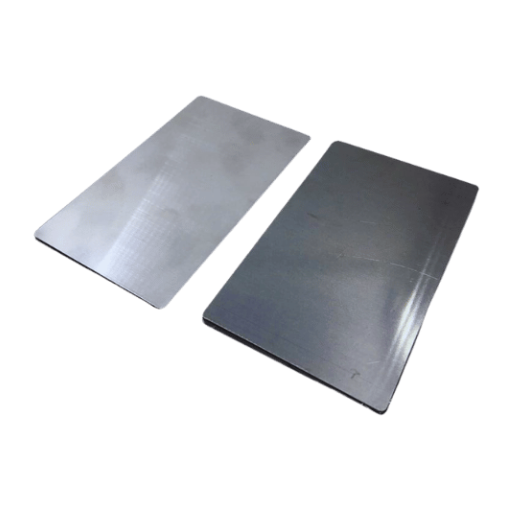
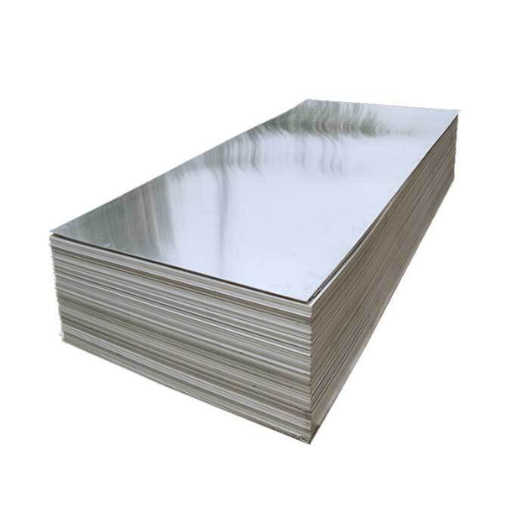
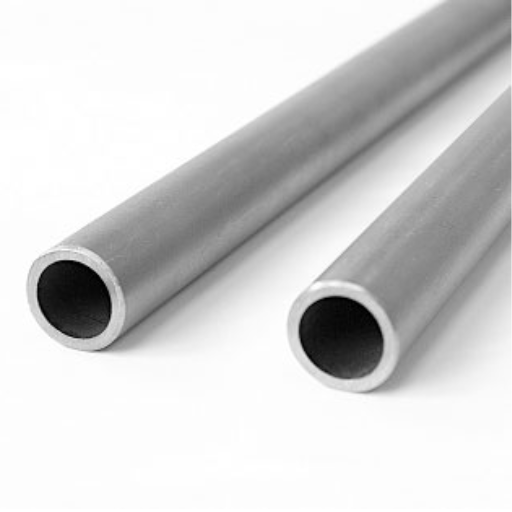
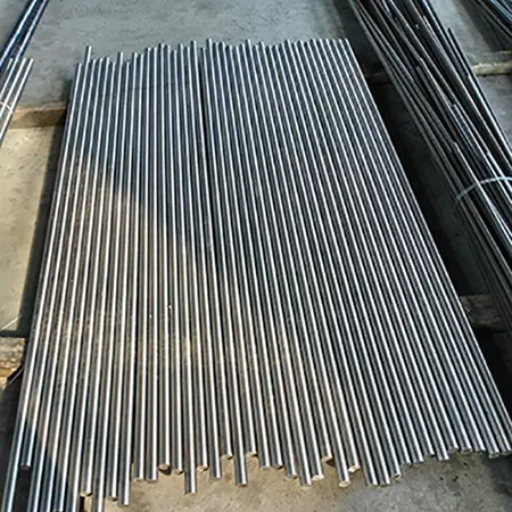
The alloy name does not choose the product standard. Plate, tube, pipe and forgings have different specification contexts. A document relevant to one form should not be used as blanket evidence for another. Grade identity is one part of the purchase description, not a replacement for it.
| Product context | Specification route to check |
|---|---|
| Plate, sheet and strip | ASTM A240 and the required grade and edition |
| Tubing | ASTM A789 where applicable to the ordered tubing |
| Pipe | ASTM A790 where applicable to the ordered pipe |
| Forged components | The applicable forging specification; verify its grade designation separately |
This map helps you ask the right question; it is not an exhaustive purchasing specification. ATI’s 2205 product information connects its flat-product offering to the relevant grade context. Alleima’s datasheet identifies tube and pipe specification routes. Neither source replaces the standard edition named in your contract.
Keep form-specific names in context
Do not copy a forging grade name into a plate order just because a table places it beside “2205.” Check the grade in the standard for the actual part. Do the drawing and order use different names? Ask for a written decision that covers both. Keep it with the order for the receiving team.
For pipe terminology, see the stainless steel pipe guide. A general stainless pipe reference does not make ASTM A312 the right specification for duplex pipe. Confirm the duplex product route rather than copying a standard from an austenitic grade order.
Compare the rest of the order
Check the edition, size, tolerances, delivery condition and inspection records as well as the grade. Then check any extra project and design rules. Two quotes can name S32205 yet cover different tests or size limits.
List those differences before you compare prices. A lower price may cover less work.
Use the same list when you review the final order. If an exception was agreed during bidding, make sure it appears in the order records. Otherwise the supplier and receiving team may be working from different instructions.
If the standard edition is missing, ask before release. A current website datasheet does not tell you which edition an old drawing meant. Don’t change the contract to a newer edition without agreement either.
The buyer and engineer need the same written rules. Those are the rules the receiving team must check.
Read the certificate and resolve a grade mismatch
Start with identity, then review requirements and results. A detailed report is useful only if it belongs to the material in front of you. The following workflow is a buyer review aid; your project inspection plan and authorized acceptance procedure govern the actual release.
Follow the heat identity
Illustrative scenario: The marking on a delivered plate does not match the heat number on its supplied report. The receiving team holds the item under its normal procedure and asks for traceability clarification. Rechecking the chemistry table cannot resolve that identity mismatch. The scenario describes a decision point, not a real customer incident or a claimed outcome.
Record the order line, item marking, heat reference and certificate reference together. For cut pieces, ask how the supplier maintained identity through cutting and handling. Where the marking is unclear, preserve the discrepancy in the receiving record rather than transcribing the number you expected to find.
Work through the acceptance questions
- Does the item identity match the supplied report? If unclear, hold the acceptance decision and seek traceability evidence.
- Does the report state the requested designation and product specification? If not, request clarification or a formal deviation review.
- Do the required analysis and test results meet the specified criteria? Compare them with the rules in your order, not a marketing summary.
- Are the condition, dimensions and extra requirements documented as required? Record any remaining gaps.
- Has the responsible authority resolved each deviation? Release only through the project’s approved process.
Keep report correction separate from material approval. A corrected report may fix a copying error. It does not resolve a separate missing test.
Ask who issued the correction and keep the earlier record too. A later reviewer should be able to see what changed and why.
Sample RFQ wording to adapt
“Please quote UNS S32205 in the stated product form, dimensions and delivery condition to the agreed product specification and edition. Identify the proposed inspection documents and required test scope. State any exceptions, including alternative designations, before order acceptance. Maintain traceability between delivered material and its heat-specific documents.”
Use this wording as a starting point. Add the size, allowed tolerances, tests and project rules before you send it. Which tests must the price include? Name them in the RFQ so the supplier does not have to guess after you place the order.
For a dual-certified offer, ask the bidder for evidence of both designations under the ordered product rules. For a mismatch, state what is still unclear and who must decide. Give that person the order line and the relevant report.
This makes the next action clear. The buyer’s chemistry check is not a mill certification.
Frequently asked questions and the next procurement step
Are S31803 and S32205 the same grade?
Both names are associated with 2205 duplex stainless steel, but their published chemistry ranges differ. S32205 has higher lower limits for chromium, molybdenum and nitrogen. Treat them as related designations, then check the ordered product specification and documents rather than assuming the names are interchangeable in every contract.
Can I accept S31803 when the order says S32205?
Not from the name alone. Check the heat-specific evidence against the full S32205 order and get any required technical approval. Chemistry within the narrower ranges can help that review.
It does not settle missing certification, tests, condition or project rules. Record the decision and its basis before release.
Does EN 1.4462 prove S32205 compliance?
No. Producer literature links EN 1.4462 to 2205. That cross-reference does not prove that a product meets every rule in a UNS-based order.
Check the product standard, edition, grade name and test records. Ask the responsible engineer to resolve differences between the drawing and order. A catalog match alone cannot settle them.
What should a dual-certified certificate show?
It should identify the material and the requirements it certifies, including the relevant designations and product specification. Check its heat reference against the delivered item and review required results and supplements. A slash between grade names is useful information, but it is not a substitute for checking the full purchase scope.
Why does nitrogen appear in this comparison?
Its published lower limit is one of the differences: 0.08 mass percent for S31803 versus 0.14 mass percent for S32205 in the comparison table. Read the reported analysis against the ordered specification. Nitrogen alone does not prove total compliance or establish a guaranteed corrosion performance for the finished component.
For your next purchase, settle identity before price. Specify the UNS designation, choose the correct product standard and check the evidence for the delivered material. Use the duplex selection guide to frame the wider application discussion, then carry the exact grade and document requirements into your RFQ. Keep the grade decision with the order so the receiving team can check against the same requirements.