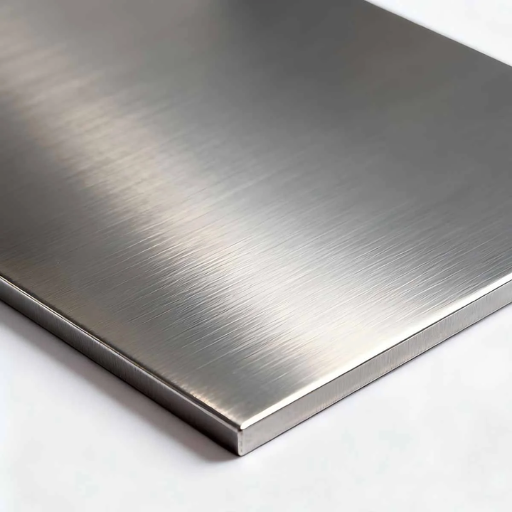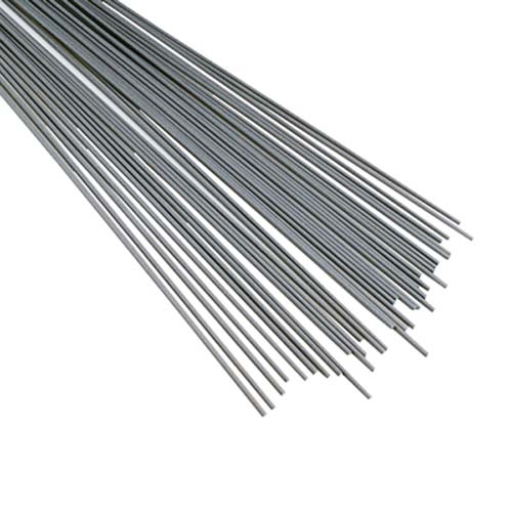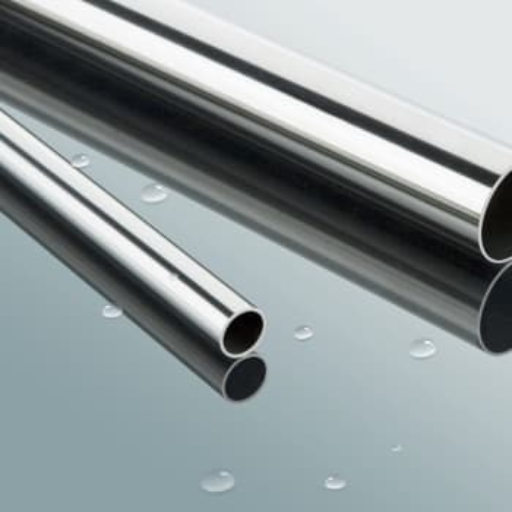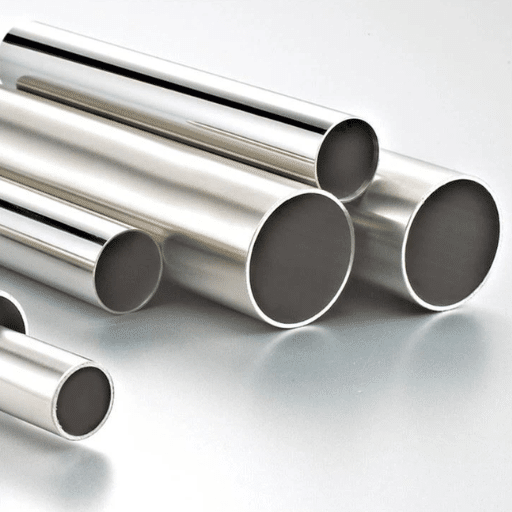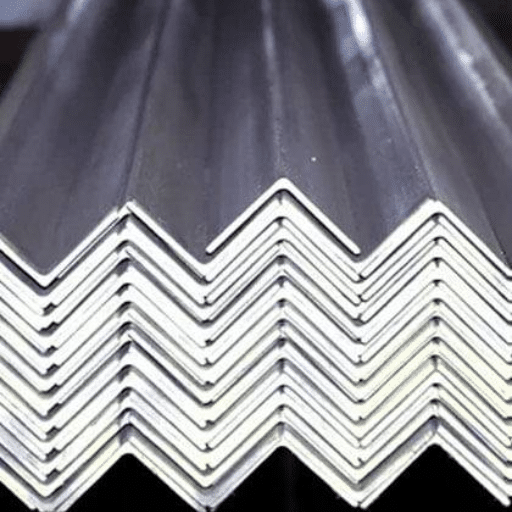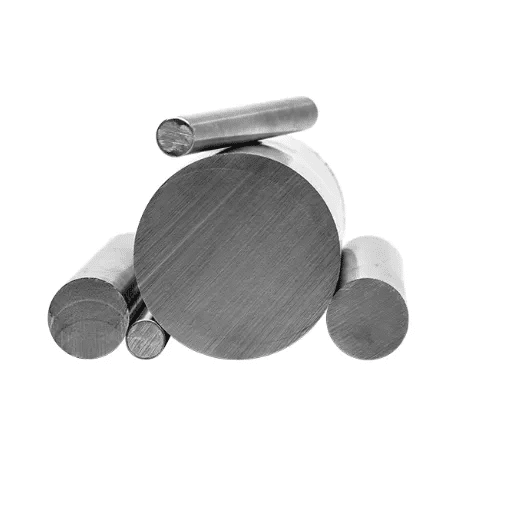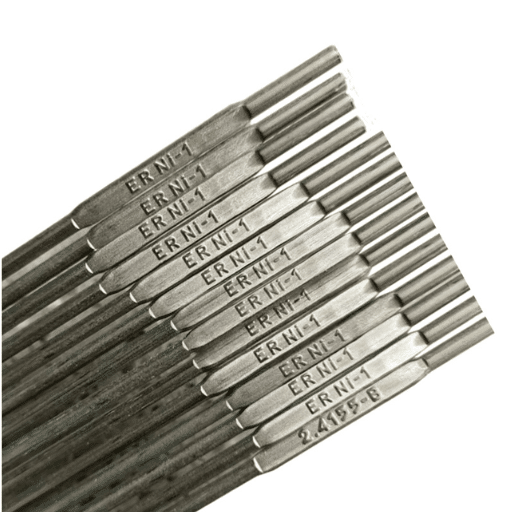
The best way to weld nickel-based alloys is with gas-tungsten arc welding (GTAW/TIG) using a matching AWS A5.14 filler wire, pure argon shielding, and strict control of heat input and interpass temperature. Unlike carbon steel or austenitic stainless steel, nickel alloys demand clean joints, low heat input, and filler metals that preserve corrosion resistance across the weld zone.
Welding nickel alloys is not like welding stainless steel. The puddle is sluggish, penetration is shallow, and the margin for contamination is razor-thin. Engineers and fabricators who apply carbon-steel habits to nickel alloy welding usually end up with hot cracks, porous root passes, and failed inspections. This guide explains process selection, filler wire matching, grade-specific parameters, defect prevention, and the documentation your quality team needs to qualify a sound nickel alloy welding procedure.
You will learn why preheat is usually unnecessary, how to choose between ERNiCrMo-3 and ERNiCrMo-4, what interpass limits apply to Inconel 625 and Hastelloy C276, and how to source certified consumables from a specialty alloy manufacturer.
Key Takeaways
- GTAW/TIG is the preferred nickel alloy welding process for root passes and critical joints; GMAW/MIG works for production, and SMAW/stick is used for field repairs.
- Match the filler wire to the base metal: Inconel 625 uses ERNiCrMo-3, Hastelloy C276 uses ERNiCrMo-4, Monel 400 uses ERNiCu-7, and Inconel 718 uses ERNiFeCr-2.
- Keep heat input below 1.5 kJ/mm and interpass temperature below 175°C for most nickel alloys; Hastelloy C276 should stay below 93°C.
- Back purging with argon is mandatory for pipe and tube root passes to prevent root oxidation and sugaring.
- ASME Section IX groups nickel alloys in P-Numbers 41-49 and nickel filler metals in F-Numbers 41-46 for WPS/PQR qualification.
What Makes Nickel Alloy Welding Different

Nickel-based superalloys behave differently under the arc than carbon or stainless steels. The Welding Institute (TWI) provides a detailed overview of nickel and nickel alloy weldability. Understanding these differences is the first step in writing a nickel alloy welding procedure that passes inspection.
Sluggish Weld Pool and Shallow Penetration
Nickel alloys have a viscous weld pool with poor wetting. The puddle does not flow easily, so the welder must use a slight weaving motion or careful stringer technique to tie in the toes. Penetration is typically shallower than in carbon steel, which means joint preparation must be more precise and root faces should not exceed 1.5 mm.
Low Heat Input Requirement
Excessive heat input promotes grain growth, sensitization, and cracking in the heat-affected zone (HAZ). For critical grades, heat input should stay below 1.5 kJ/mm, and many procedures limit it to 1.0-1.2 kJ/mm. This is one reason pulsed TIG is popular for nickel alloy welding: it deposits metal with less total heat.
Sensitivity to Contamination
Sulfur, phosphorus, lead, zinc, bismuth, and boron are enemies of nickel alloy welds. These elements come from cutting fluids, grease, paint, markers, galvanizing, or even shop dust. They lower the solidification temperature of grain boundaries and cause hot cracking. Cleaning must remove all oils, oxides, and foreign material before striking the arc, and welding should be completed within about eight hours of cleaning.
Importance of Shielding Gas and Back Purging
Nickel alloys oxidize rapidly at welding temperatures. Pure argon shielding on the face side is standard, and argon back purging is mandatory for the root side of pipe and tube joints. Without a purge, the root will sugar and lose corrosion resistance. Trailing shields are often used for automatic or orbital welds on reactive grades.
No Preheat Needed (Usually)
Most solid-solution nickel alloys do not require preheat. In fact, preheat can be harmful because it increases HAZ size and reduces cooling rate, encouraging grain boundary precipitation. The exception is thick sections or highly restrained joints, where a modest preheat up to 100°C may be used to slow cooling and reduce residual stress.
Welding Processes for Nickel Alloys

Process selection for nickel alloy welding depends on joint geometry, access, productivity needs, and quality requirements. The table below summarizes the suitability of common processes.
| Process | Nickel Alloy Suitability | Typical Use | Notes |
|---|---|---|---|
| GTAW / TIG | Excellent | Root passes, thin wall, tube, critical joints | Best control, requires skill, needs back purge |
| GMAW / MIG | Good | Production plate and pipe welding | Faster than TIG; use spray or pulsed transfer |
| SMAW / Stick | Fair to Good | Field repair, remote work | Use low-hydrogen nickel-base electrodes |
| SAW | Use with caution | Thick plate, longitudinal seams | High heat input risk; check alloy suitability |
| Oxyfuel | Avoid | – | Oxidizing flame contaminates nickel alloys |
GTAW/TIG: The Quality Choice
GTAW is the preferred nickel alloy welding process for root passes, thin-wall tubing, and high-integrity joints. Use DCEN polarity, a 2% lanthanated or thoriated tungsten, and a gas lens cup to improve shielding coverage. Keep the arc short and the torch angle at 15-20 degrees from vertical. Add filler to the leading edge of the puddle and maintain steady travel speed to avoid heat buildup.
GMAW/MIG: The Production Choice
GMAW increases deposition rate for thicker sections and long seams. Use spray transfer or pulsed spray with argon or argon-helium mixtures. Helium adds heat and fluidity, which helps the sluggish nickel pool wet the joint sidewalls. Avoid short-circuit transfer because it can cause lack of fusion and spatter contamination.
SMAW/Stick: The Field Choice
SMAW is practical for field repairs and locations where shielding gas is hard to manage. Use nickel-base covered electrodes classified under AWS A5.11, such as ENiCrMo-3 for Inconel 625 or ENiCrMo-4 for Hastelloy C276. Store electrodes in a heated rod oven to keep moisture below manufacturer limits.
Processes to Avoid or Use with Caution
Submerged arc welding (SAW) can be used on some nickel alloys, but the high heat input and slow cooling make it risky for crack-sensitive grades. Oxyfuel welding should be avoided because the oxidizing flame introduces contamination and cannot protect the molten pool.
Filler Metal Selection Guide
Selecting the right nickel alloy filler wire is a core part of any nickel alloy welding procedure. The wrong filler can create a galvanic couple, reduce corrosion resistance, or produce a weld metal that cracks under slight restraint.
Match Filler to Base Metal
The safest rule is to match the filler to the base metal composition. This preserves the mechanical properties and corrosion resistance the designer specified. AWS A5.14 classifies bare nickel alloy filler wires, and AWS A5.11 classifies covered electrodes.
| Base Metal | UNS | Recommended Filler | AWS A5.14 Class | Common Trade Name |
|---|---|---|---|---|
| Inconel 625 | N06625 | ERNiCrMo-3 | AWS A5.14 ERNiCrMo-3 | Inconel Filler Metal 625 |
| Hastelloy C276 | N10276 | ERNiCrMo-4 | AWS A5.14 ERNiCrMo-4 | Hastelloy W C-276 |
| Monel 400 | N04400 | ERNiCu-7 | AWS A5.14 ERNiCu-7 | Monel Filler Metal 60 |
| Inconel 718 | N07718 | ERNiFeCr-2 | AWS A5.14 ERNiFeCr-2 | Inconel Filler Metal 718 |
| Inconel 600/601 | N06600 / N06601 | ERNiCr-3 | AWS A5.14 ERNiCr-3 | Inconel Filler Metal 82 |
Dissimilar Metal Welding Filler Selection
Dissimilar metal welding nickel alloys to stainless or carbon steel requires special filler selection. The filler must tolerate dilution from both sides without forming martensite or brittle intermetallics. ERNiCrMo-3 is a common choice for nickel alloy to austenitic stainless steel joints because its niobium content resists hot cracking. For nickel alloy to carbon steel, ERNiCr-3 or ERNiCrMo-3 is often used, sometimes with a buttering layer on the steel side to reduce dilution.
Mini-Story: The Wrong Filler Cost a Fabricator Two Weeks
A pressure-vessel fabricator in Houston was joining 316L stainless steel flanges to Inconel 625 hubs. To save time, the welder reached for 308L filler wire left over from a stainless job.
Within 48 hours, centerline cracking appeared in every circumferential weld. The weld metal had diluted into a composition that could not tolerate the thermal contraction between the two base metals. After re-welding with ERNiCrMo-3 and re-qualifying the procedure, the joints passed RT and the vessel shipped. The lesson: dissimilar metal welding nickel alloys needs a nickel-base filler, not a stainless one.
Nickel Alloy Welding Parameters by Grade
The following sections provide practical starting parameters for four of the most commonly welded nickel-based alloys. Adjust amperage, voltage, and travel speed to keep heat input within the limits shown.
Inconel 625 Welding Parameters (UNS N06625)
Inconel 625 is a solid-solution strengthened nickel-chromium-molybdenum-niobium alloy with excellent corrosion resistance and toughness from cryogenic temperatures up to about 980°C. Successful Inconel 625 welding depends on matching filler and controlled heat input. It is one of the most forgiving nickel alloys to weld and does not require post-weld heat treatment in the as-welded condition.
| Parameter | GTAW/TIG | GMAW/MIG | SMAW/Stick |
|---|---|---|---|
| Filler | ERNiCrMo-3 | ERNiCrMo-3 | ENiCrMo-3 |
| Current / Polarity | DCEN | DCEP, spray | DCEP |
| Amperage (typical) | 80-140 A | 150-260 A | 70-120 A |
| Voltage | 12-18 V | 24-30 V | 22-26 V |
| Shielding Gas | 100% Ar | 98% Ar / 2% O2 or Ar-He | n/a |
| Interpass Temperature | Max 175°C | Max 175°C | Max 175°C |
| Heat Input | 0.8-1.5 kJ/mm | 1.0-1.8 kJ/mm | 1.0-1.8 kJ/mm |
For applications needing bar stock, our Inconel 625 Round Bar is available with matching MTRs and filler-wire recommendations.
Hastelloy C276 Welding Parameters (UNS N10276)
Hastelloy C276 is a nickel-molybdenum-chromium alloy with outstanding resistance to oxidizing and reducing acids. Reliable Hastelloy C276 welding therefore requires tight interpass control and low heat input. It is more sensitive to heat input than Inconel 625 and requires lower interpass temperature to maintain corrosion performance.
| Parameter | GTAW/TIG | GMAW/MIG | SMAW/Stick |
|---|---|---|---|
| Filler | ERNiCrMo-4 | ERNiCrMo-4 | ENiCrMo-4 |
| Current / Polarity | DCEN | DCEP, spray | DCEP |
| Amperage (typical) | 70-130 A | 140-240 A | 65-110 A |
| Voltage | 12-17 V | 24-29 V | 21-25 V |
| Shielding Gas | 100% Ar | Ar-He mixture | n/a |
| Interpass Temperature | Max 93°C | Max 93°C | Max 93°C |
| Heat Input | 0.8-1.2 kJ/mm | 1.0-1.5 kJ/mm | 1.0-1.5 kJ/mm |
We supply Hastelloy C276 Plate cut to project dimensions, with certified weldability data and matching ERNiCrMo-4 filler wire available on request.
Monel 400 Welding Parameters (UNS N04400)
Monel 400 is a nickel-copper alloy with good resistance to seawater, chlorides, and caustic environments. It is often used in marine, chemical, and hydrocarbon processing equipment. Monel 400 welding procedures emphasize cleanliness and matching ERNiCu-7 filler. Monel 400 tolerates slightly higher interpass temperatures than C276, but cleanliness is still critical because copper-nickel alloys are sensitive to sulfur and lead.
| Parameter | GTAW/TIG | GMAW/MIG | SMAW/Stick |
|---|---|---|---|
| Filler | ERNiCu-7 | ERNiCu-7 | ENiCu-7 |
| Current / Polarity | DCEN | DCEP, spray | DCEP |
| Amperage (typical) | 75-135 A | 150-250 A | 70-120 A |
| Voltage | 12-18 V | 24-30 V | 22-26 V |
| Shielding Gas | 100% Ar | 98% Ar / 2% O2 | n/a |
| Interpass Temperature | Max 150°C | Max 150°C | Max 150°C |
| Heat Input | 0.8-1.5 kJ/mm | 1.0-1.8 kJ/mm | 1.0-1.8 kJ/mm |
For seawater and chemical applications, our Monel 400 Plate is supplied with full traceability and can be paired with ERNiCu-7 filler on the same order.
Inconel 718 Welding Parameters (UNS N07718)
Inconel 718 is an age-hardenable nickel-chromium alloy used in aerospace, power generation, and high-temperature hardware. It was designed with niobium hardening to reduce strain-age cracking susceptibility compared to aluminum- and titanium-hardened alloys, but it still demands careful heat input and condition control.
| Parameter | GTAW/TIG | GMAW/MIG | SMAW/Stick |
|---|---|---|---|
| Filler | ERNiFeCr-2 | ERNiFeCr-2 | ENiFeCr-2 |
| Current / Polarity | DCEN | DCEP, pulsed spray | DCEP |
| Amperage (typical) | 70-120 A | 130-220 A | 60-100 A |
| Voltage | 12-16 V | 23-28 V | 21-24 V |
| Shielding Gas | 100% Ar | Ar-He mixture | n/a |
| Interpass Temperature | Max 95°C | Max 95°C | Max 95°C |
| Heat Input | 0.6-1.2 kJ/mm | 0.8-1.5 kJ/mm | 0.8-1.5 kJ/mm |
For aerospace and turbine projects, Inconel 718 Round Bar from Zhonggongte is supplied with AMS-compliant documentation and matching ERNiFeCr-2 filler recommendations.
Heat Input, Preheat & Interpass Control

Heat input is the single most controllable variable in nickel alloy welding. It is calculated from voltage, amperage, and travel speed:
Heat Input (kJ/mm) = (Voltage x Amperage x 60) / (Travel Speed mm/min x 1000)
General Rules
- Preheat: Not normally required for solid-solution nickel alloys. Start from the ambient temperature.
- Interpass temperature: Keep 175 °C below for Inconel 625, below 93°C for Hastelloy C276, and below 95°C for Inconel 718. Monel 400 allows up to 150°C.
- Heat input: Stay below 1.5 kJ/mm for critical joints; many specifications limit it to 1.0-1.2 kJ/mm.
Why Low Heat Input Matters
Low heat input keeps the HAZ narrow, limits grain growth, and reduces the time available for harmful segregation at grain boundaries. It also minimizes distortion, which is important when welding thin-walled nickel alloy pipe or precision fabrications.
Common Nickel Alloy Welding Defects & Prevention
Nickel alloy welding defects usually fall into four categories: hot cracking, liquation cracking, porosity, and oxidation. Each has a distinct cause and prevention strategy.
| Defect | Cause | Prevention |
|---|---|---|
| Hot cracking/solidification cracking | Sulfur, phosphorus, lead, or low-melting-point segregates at grain boundaries | Clean joints, match filler, low heat input, small weld beads |
| Liquation cracking in HAZ | Partial melting of grain boundaries due to contamination or excessive heat | Control interpass temperature, avoid reheating the same spot |
| Porosity | Moisture, oil, argon contamination, or inadequate gas coverage | Clean base metal and filler, dry electrodes, and use a gas lens |
| Oxidation/heat tint | Inadequate shielding or purge on the root side | Argon back purge, trailing shield, post-flow gas |
| Strain-age cracking (Inconel 718) | Welding in an aged condition with high restraint | Solution anneal before welding, control restraint |
Hot Cracking
Hot cracking occurs during solidification when low-melting films remain between dendrites. In nickel alloys, sulfur and phosphorus are the usual culprits. Prevention starts with grinding or machining joint faces to bright metal, cleaning with acetone or alcohol, and using filler wire with low sulfur and phosphorus content.
Liquation Cracking
Liquation cracking appears in the HAZ when grain boundaries partially melt during reheating. It is aggravated by contamination and high heat input. Keep weld beads small, avoid weaving wider than 2.5 times the wire diameter, and do not let the interpass temperature exceed the alloy limit.
Porosity
Porosity in nickel alloy welds comes from moisture, hydrocarbons, or poor gas coverage. Store SMAW electrodes in a rod oven, keep GMAW wire dry, and verify argon purity (99.995% minimum). Use a gas lens to create laminar shielding flow and extend post-flow time after the arc stops.
Strain-Age Cracking in Inconel 718
Inconel 718 is more resistant to strain-age cracking than older precipitation-hardened nickel alloys, but it can still crack if welded in the aged condition under high restraint. The standard repair practice is to solution anneal the part, weld, then perform the aging heat treatment.
Mini-Story: The Aerospace Shop That Forgot the Solution Anneal
A repair shop in the Midwest received a set of Inconel 718 turbine brackets that had cracked in service.
The shop welded the brackets in the aged condition, reasoning that the parts were already heat treated and should remain so. Two days after welding, new cracks appeared parallel to the fusion line. A metallurgical review showed strain-age cracking caused by welding stress acting on the aged microstructure. After solution annealing the brackets, re-welding with ERNiFeCr-2, and aging per AMS 5662, the repair passed dye-penetrant inspection and returned to service.
Joint Design & Preparation
Good nickel alloy welding starts before the arc is struck. Joint geometry and cleanliness have a larger impact on weld quality than in carbon steel.
Cleaning Requirements
Remove all mill scale, oxide, oil, grease, paint, and marking ink from the joint area and adjacent surfaces. Use stainless steel wire brushes or clean abrasives dedicated to nickel alloys. Do not use brushes that have been cleaned with carbon steel; embedded iron particles can cause rust spots and contamination. Degrease with acetone or an approved solvent immediately before welding.
Joint Geometry
Because nickel alloys have shallow penetration, joint designs should provide better access than equivalent carbon steel joints. Common recommendations include:
- Root opening: 1.5-3.0 mm for TIG root passes
- Root face: 0.8-1.5 mm maximum
- Included angle: 60-75 degrees for V-grooves
- Land thickness: thin to improve penetration
Backing Bars and Purge Dams
For nickel alloy pipe and tube welds, use argon-filled backing bars or inflatable purge dams to shield the root side. Copper backing bars can be used, but they must be clean and grooved to match the root reinforcement. Remove backing bars immediately after welding to avoid copper contamination.
Dedicated Tools
Segregate grinding discs, wire brushes, and files for nickel alloy work. Color-coding tools prevent cross-contamination from carbon steel or copper alloys. This simple shop discipline eliminates many nickel alloy welding defects before they start.
Shielding Gas & Purging
Shielding gas selection is critical in nickel alloy welding because molten nickel oxidizes rapidly and its oxides do not self-flux. Nickel alloys need more protection than stainless steels because tenacious oxides must be removed mechanically.
Primary Shielding Gas: Argon
Pure argon (99.995% or higher) is the standard shielding gas for GTAW and GMAW of nickel alloys. It produces a stable arc and good cleaning action. For some automatic processes, argon with up to 10% hydrogen can improve pool fluidity, but hydrogen should not be used on titanium- or aluminum-bearing grades because it can cause porosity or hydrogen embrittlement.
Argon-Helium Mixtures
Helium increases arc voltage and heat input, which helps wetting and penetration on thick sections. Argon-helium mixtures are common for GMAW of nickel alloys and for mechanized TIG. Balance the productivity benefit against the heat input limits of the alloy.
Back Purging for Pipe and Tube
Back purging replaces air inside the pipe with inert argon before and during welding. Without it, the root pass oxidizes and forms a black, grainy surface called sugar. Sugaring is not just cosmetic; it reduces corrosion resistance and can be a rejection criterion in chemical and nuclear work.
For pipe fabrications, start purge flow several minutes before striking the arc, maintain positive pressure during welding, and keep a small vent hole at the top of the pipe to prevent pressure buildup.
Trailing Shields
Trailing shields extend argon coverage behind the weld torch as it moves. They are especially useful for automatic TIG, orbital welding, and alloys that form tenacious oxides. A well-designed trailing shield produces bright, straw-colored heat tint instead of blue or black oxidation.
Video: TIG Technique on a Nickel Alloy
The following video from the Copper Development Association demonstrates TIG welding technique on a copper-nickel alloy. Many of the principles, such as sluggish puddle behavior and shielding coverage, apply directly to nickel alloy welding.
Welding Procedure Qualification (WPS/PQR)
A qualified welding procedure is essential for code construction in chemical, power, and nuclear projects. ASME Section IX is the most common code used for nickel alloy welding qualification.
Writing a Nickel Alloy Welding Procedure That Passes Inspection
A complete nickel alloy welding procedure starts with the base metal grade, joint design, process selection, filler metal, heat input limits, and inspection requirements. Document every variable in the WPS and verify them with a PQR before production welding begins.
ASME Section IX P-Numbers for Nickel Alloys
ASME Section IX groups base metals by similar weldability. Nickel alloys fall in P-Numbers 41 through 49, depending on composition. Some common assignments include:
- P-No. 41: Nickel and nickel-copper alloys (e.g., Monel 400)
- P-No. 42: Nickel-chromium and nickel-chromium-iron alloys (e.g., Inconel 600, 601)
- P-No. 43: Nickel-molybdenum and nickel-chromium-molybdenum alloys (e.g., Hastelloy C276)
- P-No. 44: Nickel-chromium-molybdenum-columbium alloys (e.g., Inconel 625)
- P-No. 45: Nickel-iron-chromium alloys (e.g., Incoloy 800, 825)
F-Numbers for Filler Metals
Nickel and nickel-alloy filler metals are grouped in F-Numbers 41 through 46 under ASME Section IX. A welder qualified with one filler in an F-Number group can usually weld with other fillers in the same group within the limits of QW-433.
QW-423.1 Substitution for Welder Qualification
QW-423.1 allows a welder qualified on one base metal to weld on certain other base metals without requalification.
For example, a welder qualified on P-No. 42 (Inconel 600/601) may be qualified to weld P-No. 44 (Inconel 625). Always verify the specific substitution against the current edition of ASME Section IX and your project specification.
Documentation Buyers Should Request
Procurement and quality teams should request the following documents when ordering nickel alloy base metal and filler wire:
- Welding Procedure Specification (WPS) and Procedure Qualification Record (PQR)
- Welder Performance Qualification (WPQ) records
- AWS A5.14 or A5.11 filler metal test report
- Heat number and lot number traceability
- Material Test Report (MTR) for base metal with chemistry and mechanical properties
- EN 10204 3.1 or 3.2 certificate when third-party inspection is required
For authoritative fabrication background, refer to the Special Metals/Haynes International guidelines for the welded fabrication of nickel alloys. For more on certificate requirements, see our guide to nickel alloy plate documentation and MTR interpretation.
Post-Weld Heat Treatment
Post-weld heat treatment is not usually part of a nickel alloy welding procedure for solid-solution grades. PWHT is only performed when the application requires stress relief, dimensional stability, or restoration of mechanical properties.
When PWHT Is Required
PWHT may be required for:
- Thick, highly restrained structures where residual stress could cause stress-corrosion cracking
- Components that must meet tight dimensional tolerances after machining
- Precipitation-hardened alloys that need full mechanical properties
Solution Anneal and Aging for Inconel 718
Inconel 718 is typically solution annealed at 980°C, water quenched, welded, then aged at 718°C and 621°C per AMS 5662 or 5663. Welding in the solution-annealed condition minimizes strain-age cracking. After welding, the part receives the full aging treatment to develop strength.
Stress Relief Cautions for Hastelloy C276
Hastelloy C276 can be stress relieved, but the temperature and time must be controlled to avoid sensitization. In many corrosive service applications, the alloy performs best in the as-welded condition. Always consult the manufacturer’s guidelines before specifying PWHT for C276.
Sourcing Nickel Alloy Welding Consumables from China
Procurement teams often source nickel alloy filler wire and base metal from Chinese manufacturers to balance cost and availability. This applies whether you are buying nickel alloy plate and sheet, bar, pipe, or matching filler wire. The key is to verify that the supplier can deliver certified, traceable consumables that match your WPS.
What to Specify
When requesting a quote, specify:
- AWS A5.14 or A5.11 classification (e.g., ERNiCrMo-3, ENiCrMo-4)
- Wire diameter or electrode diameter
- Heat number and lot number requirements
- Certificate type: EN 10204 3.1 or 3.2
- AWS A5.14 test report with chemistry and mechanical properties
- Packaging and storage conditions to prevent moisture contamination
Certificate Package
A complete certificate package should include the filler metal test report, base metal MTR, spectral analysis, and third-party inspection report when required. At Zhonggongte, every batch of nickel alloy filler wire ships with matching certificates and heat-number traceability.
Red Flags
Watch for these warning signs when sourcing nickel alloy welding consumables:
- Heat numbers on the wire spool do not match the certificate
- No chemistry report showing nickel, chromium, molybdenum, and niobium content
- Filler wire stored in unsealed packaging with visible rust or oil
- Supplier cannot provide an AWS A5.14 test report in English
- Price is far below market without supporting documentation
Mini-Story: The C276 Overlay That Passed Inspection
A chemical plant in Southeast Asia needed a weld overlay of Hastelloy C276 on carbon steel reactor heads to resist chlorinated process streams.
The fabricator initially worried that dilution from the steel would degrade the overlay’s corrosion resistance. By using ERNiCrMo-4 filler, controlling heat input below 1.2 kJ/mm, and limiting iron dilution to under 10%, the overlay met the C276 composition specification in the top 2 mm. The heads passed ultrasonic inspection and have been in service for three years without corrosion breakthrough. The right filler and disciplined parameters made the difference.
Nickel Alloy Welding FAQ
Do nickel alloys need preheat before welding?
No. Most solid-solution nickel alloys are welded from ambient temperature. Preheat is usually unnecessary and can enlarge the HAZ.
What is the best shielding gas for nickel alloy welding?
Pure argon (99.995%) is the standard for GTAW and GMAW. Argon-helium mixtures can improve fluidity on thick sections, and argon-hydrogen mixtures are sometimes used for automatic welding on non-titanium-bearing grades.
Can I use stainless steel filler wire to weld nickel alloys?
No. Stainless steel fillers do not match the corrosion resistance or crack resistance of nickel alloy base metals. Use an AWS A5.14 nickel-base filler matched to the grade.
Why is back purging necessary for nickel alloy pipe welds?
Back purging prevents root oxidation, or sugaring, on the inside of pipe and tube welds. Oxides on nickel alloys do not self-clean and can reduce corrosion resistance.
What causes hot cracking in nickel alloy welds?
Hot cracking is caused by sulfur, phosphorus, lead, bismuth, zinc, or boron contamination that forms low-melting grain-boundary films during solidification. Cleanliness and proper filler selection prevent it.
Does Inconel 625 require post-weld heat treatment?
No. Inconel 625 is normally used in the as-welded condition and does not require PWHT to maintain corrosion resistance or toughness.
Conclusion
Nickel alloy welding rewards fabricators who respect the metallurgy. Use GTAW/TIG for critical joints, match the filler wire to the base metal, keep heat input low, and protect every molten surface with argon. These fundamentals prevent the cracks, porosity, and oxidation that cause rework and failed qualifications.
Whether you are welding Inconel 625, Hastelloy C276, Monel 400, or Inconel 718, Zhonggongte supplies certified base metals and matching filler wires with full traceability. Our metallurgical team can review your WPS, recommend filler classes, and deliver EN 10204 3.1/3.2 certificates within 24 hours.
Ready to simplify your nickel alloy welding procurement? Submit your RFQ today and receive a certified quotation with filler-wire matching and heat-number traceability within one business day.