Incoloy 825 specifications depend on the product form and manufacturing route. UNS N08825 identifies the alloy; it does not define a complete purchase requirement for plate, bar, pipe, tube or fittings.
Two quotations can carry the same alloy name and still offer different products. Illustrative scenario: a buyer receives one seamless-pipe offer and one welded-pipe offer against an inquiry that says only “825 pipe.” Which route did the designer require? Price alone can’t answer that question. The buyer first needs a shared basis for checking both offers against the drawing.
This guide turns Incoloy 825 specifications into a form-based selection and order checklist. It explains which ASTM scope to check, which details belong in the RFQ, and how to separate required properties from typical data. For broader grade-selection context, see our Incoloy 825 grade overview.
Key Takeaways
- Select the material specification by form and route, then confirm its accepted edition.
- Separate material requirements, dimensions, design-code acceptance and inspection documents.
- Compare certificate results against the ordered condition and applicable limits.
- Record tests, traceability and deviations before releasing the order.
Send your material inquiry with the form, dimensions, proposed standard and required documents so those details can be addressed in the quotation.
Incoloy 825 Specifications: Identity, Standards and Editions
What UNS N08825 tells you
The Special Metals producer bulletin identifies alloy 825 as UNS N08825 and material number 2.4858. It describes a nickel-iron-chromium alloy containing molybdenum, copper and titanium. They identify the alloy.
They don’t tell the supplier which form, condition or dimensions to deliver. See the producer’s alloy 825 bulletin.
Incoloy 825 specifications need more than a trade name. A bar quote that lists N08825 doesn’t prove that a forging meets its standard. Nor does a matching alloy designation resolve a change from seamless to welded construction. Keep identity and product requirements on separate lines when reviewing an offer.
Four different requirements to record
Keep four questions separate: What material product is required? What size must it be? Which design rules apply? What records must accompany it?
The material standard, size basis, project design code and inspection-document requirement answer those questions in turn.
These requirements work together. A test certificate can’t fill a missing pipe schedule. A size drawing doesn’t establish the required heat treatment. Incoloy 825 specifications should identify each requirement without treating one as evidence for all the others.
Choose an edition deliberately
ASTM’s public catalog lists B425-26e1, with a last-updated date of October 15, 2026, in the research checked for this guide. That dated listing is useful for version control. It doesn’t tell you which technical rules changed. It also doesn’t change a signed contract.
Record the edition agreed by the project owner. If a quote cites another edition, settle the difference before you release the order.
Name who can approve the change and keep that decision with the order.
Ask the supplier to identify its proposed edition in writing. A date on a catalog page is not the project’s approval record. For Incoloy 825 specifications used on an existing project, “latest edition” can leave a different acceptance basis from the one engineering reviewed.
Incoloy 825 Specifications by Product Form
Select Incoloy 825 specifications by product form and manufacturing route. The matrix maps candidate standards to forms. It doesn’t prove that a given size or supplier meets every requirement.
Read the accepted edition for the grade, condition and size being ordered. Scope comes first.
A standard’s title may sound relevant while its size range or permitted condition does not match the drawing. Check those details before using the reference on an RFQ.
| Form and route | Candidate ASTM specification | Buyer detail to settle |
|---|---|---|
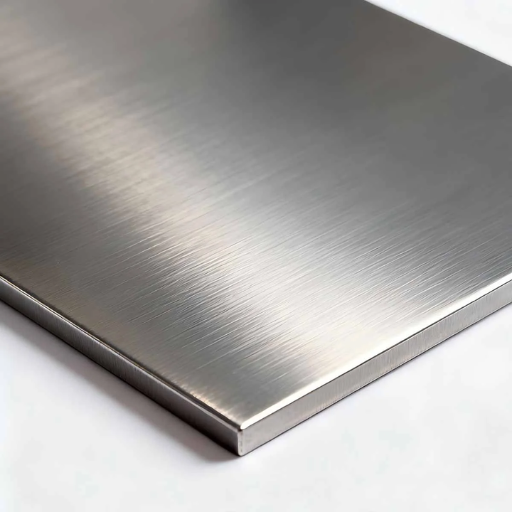
| Rolled plate, sheet and strip | B424 | Thickness, width, length, condition and tolerances |
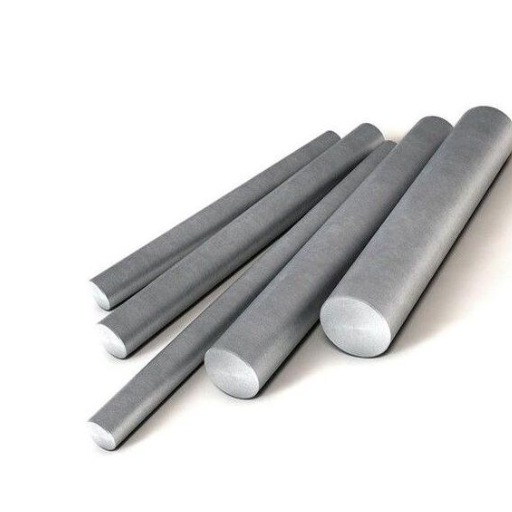
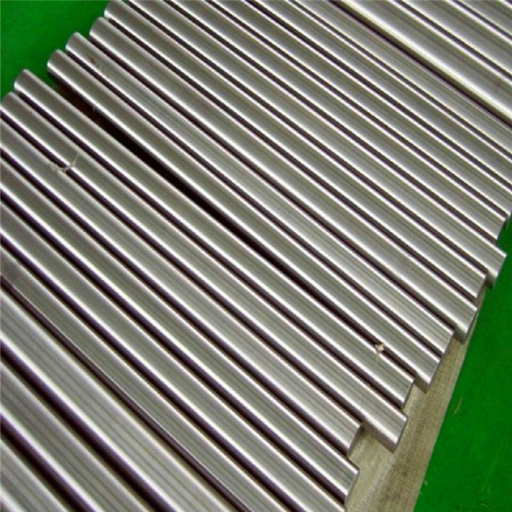
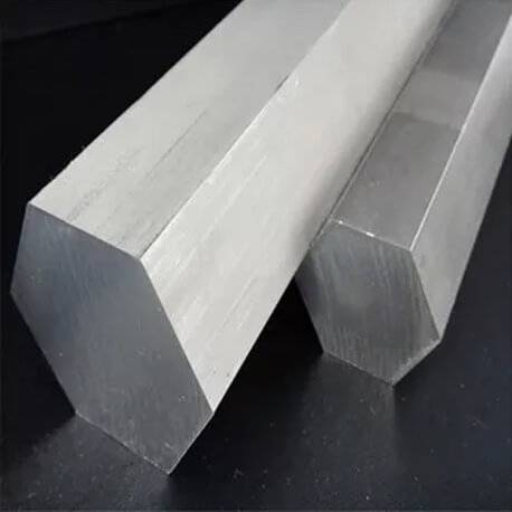
| Rod and bar | B425 | Section shape, finish, size and length |
| Forgings | B564 | Drawing, forging form, condition and examination scope |
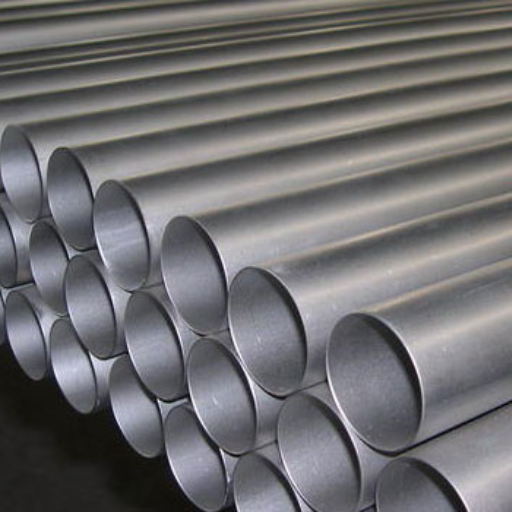
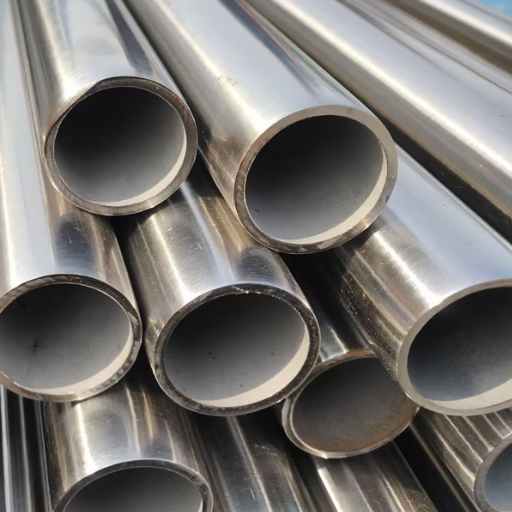
| Seamless pipe and tube for general corrosive service | B423 | Pipe/tube designation, size basis, route and condition |
| Seamless condenser and heat-exchanger tube | B163 | Outside diameter, wall basis and applicable size range |
| Welded boiler, heat-exchanger and condenser tube | B704 | Tube dimensions and applicable requirements |
| Welded pipe | B705 | Pipe size, schedule, annealed condition and requirements |
| Wrought fittings | B366/B366M | Fitting designation, construction/class and dimensions |
Plate, bar and forgings
B424 covers rolled plate, sheet and strip including N08825. B425 covers rod/bar shapes such as rounds and rectangles. B564 covers nickel-alloy forgings and includes N08825. Incoloy 825 specifications should follow the delivered product, rather than whichever standard appears on the starting stock certificate.
If a machined component starts as bar, establish what the finished drawing requires. A B425 bar certificate alone doesn’t prove that the part meets B564. Record the required finished geometry, processing and acceptance basis. Also distinguish an as-supplied surface from a finished machined surface when setting dimensions.
Seamless pipe versus exchanger tube
B423 addresses seamless pipe and tube for general corrosive service. B163 addresses seamless condenser and heat-exchanger tube. B163 expressly distinguishes outside diameter with average wall from outside diameter with minimum wall. These are different descriptions of a tube requirement, even when a short RFQ uses the same nominal wall number.
Illustrative scenario: an exchanger buyer requests “825 seamless tube” with an outside diameter and wall thickness. One quote uses an average-wall basis; another uses minimum wall. The buyer needs a wall-basis clarification before comparing compliance. No change in alloy chemistry resolves that missing field in the Incoloy 825 specifications.
For broader route and application questions, use our nickel alloy pipe selection guide. Keep the final choice tied to the project requirement.
Welded tube, welded pipe and fittings
B704 covers welded tube; B705 covers welded pipe in the annealed condition. Incoloy 825 specifications should preserve that distinction. Calling both products “tubular” does not make them the same. Their sizes, production rules and acceptance basis still need to match the order.
B366/B366M covers wrought fittings. Its designations and classes address how fittings are made and examined. Its scope excludes cast welding fittings. Specify the fitting itself, rather than copying only the parent pipe standard.
A complete requirement identifies the fitting geometry and applicable dimensional or rating basis alongside the material designation. For example, naming a reducer leaves its end sizes and geometry open. A material grade cannot fill those fields.
For each row in the matrix, compare the proposed product with the drawing before moving on to price. If the form falls outside this guide, request its applicable specification rather than borrowing the nearest row.
Separate Required Properties from Typical Data
Chemistry is an identity check
The producer bulletin gives limiting chemistry in weight percent: nickel 38.0–46.0%, chromium 19.5–23.5%, molybdenum 2.5–3.5%, copper 1.5–3.0%, titanium 0.6–1.2%, iron 22.0% minimum and carbon 0.05% maximum. These selected limits help explain the alloy identity. They are not a complete reproduction of the composition table or a substitute for the ordered specification.
When checking Incoloy 825 specifications, compare measured heat-analysis results with the full requirements of the accepted product standard. Check element headers and units before comparing numbers.
A missing result calls for clarification. Don’t read a blank cell as zero or as proof of compliance. Also distinguish a stated limit from a measured result.
A column headed maximum has a different purpose from one headed heat analysis. Check which column you are reading before deciding whether the reported chemistry meets the order.
Typical strength is not an acceptance limit
A typical tensile value describes what is usual for the material. An acceptance limit states what the ordered product must meet under defined conditions. The producer warns that actual properties can vary. Its bulletin doesn’t guarantee that the product suits a given use.
Incoloy 825 specifications must therefore tie strength, elongation or hardness requirements to the product, condition, size and accepted edition. Do not use a single online strength value as a universal rejection threshold. Our Incoloy 825 properties guide provides the wider property discussion; the purchasing task here is to establish the applicable acceptance basis.
Read the result and its basis together
A practical review compares the reported result, test basis and requirement together. For tensile data, check whether the report identifies the applicable product and condition. Where the contract requires orientation, specimen details or test temperature, confirm that those details are provided. Don’t compare numbers as equals if their units or test bases differ.
This guide does not reproduce every mechanical-property table from the paid standards. For an exact limit, consult the accepted edition.
The reviewer needs a clear match between each result and its requirement. A familiar datasheet number is not enough. Keep that match visible in the Incoloy 825 specifications.
Specify Tests, Traceability and Inspection Documents
Separate standard requirements from additions
Review the tests required by the Incoloy 825 specifications, then list any project additions. ASTM’s B423 and B705 abstracts discuss testing, but a short catalog summary is not a complete inspection plan. Do not infer that every named test method applies simultaneously to every product and order.
For Incoloy 825 specifications requiring extra examination, state the method, extent, pass/fail criteria and required report. “NDT required” leaves too much open.
Does the request concern the whole product, a weld or selected areas? Who reviews the result? Settle those questions in the inspection plan before work starts. The same applies to additional identification, corrosion, hardness or impact testing: define what the project requires instead of assuming a blanket package.
Keep heat identity connected to the material
The order, delivered markings and report need a clear link. Check the heat or batch identifier, grade, product form, condition and applicable standard. If material will be cut or processed further, agree how each supplied piece stays linked to its records.
Do this before the markings are lost. A report for the right alloy is useful only when it can be connected to the material under review.
Illustrative scenario: a receiving reviewer sees plausible chemistry but an unclear certificate reference. Rather than releasing the material on appearance alone, the reviewer asks which order, heat and specification the document covers. The example illustrates a document check, not a real customer event or a measured recovery result.
Choose the inspection-document type
EN 10204 document type and material specification answer different questions. A 3.1 label does not define N08825 chemistry or approve the component for its service. It also should not be read as automatic independent third-party approval. See the BSSA explanation of inspection documents and our nickel alloy material certificate guide.
For Incoloy 825 specifications, agree the document type and required report content before ordering. Request the complete document reference, not just a number such as 3.1 in a quote. If the project requires extra validation, identify who must provide it and what must be validated. The following English educational video introduces inspection-document terminology; the written standard and project requirements govern acceptance.
Keep service and code acceptance separate
Meeting an ASTM material standard doesn’t by itself prove that a product meets design-code or sour-service rules. Confirm the project-adopted material/code provisions, delivered condition and relevant service limits with the responsible engineer. Incoloy 825 specifications should record those project requirements explicitly; avoid an unrestricted “NACE approved” statement that leaves the approval basis undefined.
Build an Incoloy 825 Purchase Requirement

Use an annotated RFQ template
The template below is an illustrative purchase requirement, not a stock offer or engineering approval. Use it to organize Incoloy 825 specifications. Fill in the fields from the drawing and project documents before seeking quotes. Do not leave a critical field for competing suppliers to interpret differently.
- Material and product: alloy 825, UNS N08825; [form and seamless/welded route where relevant].
- Specification: [applicable ASTM designation and accepted edition]; [drawing revision and code/service provisions].
- Condition and finish: [required condition and surface].
- Dimensions and quantity: [size designation or outside diameter, wall basis, lengths and tolerances]; [pieces, mass or lengths].
- Documents and traceability: [inspection-document type, reports, marking and linkage to supplied pieces].
- Tests: [standard requirements plus defined project additions, scope and acceptance criteria].
- Deviations: identify all exceptions separately for approval.
This format makes Incoloy 825 specifications reviewable. For a fitting, add the fitting designation, class where applicable and dimensional/rating basis. For exchanger tube, make the average- or minimum-wall basis explicit.
For bar, identify section shape and finish. State the controlling unit system so a converted dimension does not introduce an unintended tolerance.
Compare offers against the same fields
Ask whether each offer addresses the same form, route, edition, condition, dimensions, documents and tests. Record an omission as an open item. A quote marked “compliant” still needs to state which requirement it meets. It must also list its exceptions.
Returning to the first illustrative scenario, the comparison needs separate fields for seamless/welded route and candidate product standard. Incoloy 825 specifications that contain both fields let the buyer raise a precise clarification. A price comparison can follow once the technical scope is aligned; the example makes no claim about savings or delivery.
Submit the completed requirement with unresolved fields identified. Include the relevant drawing revision and documentation needs rather than relying on the alloy name alone.
Control substitutions and receiving review
Route, grade or edition changes need review against the project basis. If another alloy is proposed, the Incoloy 825 versus Inconel 625 comparison offers background; it does not authorize substitution.
At receipt, compare the material and records with the agreed order and approved deviations. Keep the original Incoloy 825 specifications available to the reviewer.
- Match the delivered identity and size to the order.
- Check the document reference, edition and required results.
- Locate approval for each accepted exception.
- Record open mismatches and the decision needed before release.
These checks connect the agreed scope to the delivered product. They do not replace the project’s full inspection plan. When a mismatch appears, identify the affected requirement and resolve it through the project’s acceptance process rather than treating a similar alloy name as sufficient.
FAQ and Next Step
What ASTM specification covers Incoloy 825 plate?
ASTM B424 covers rolled alloy 825 plate, sheet and strip. Incoloy 825 specifications for plate should also state the accepted edition, condition, thickness, other dimensions and tolerances. A reference to B424 alone does not communicate every project-specific purchasing detail or establish suitability for a finished component.
Is UNS N08825 enough on a purchase order?
No. UNS N08825 identifies the alloy but leaves the product form, manufacturing route, condition, dimensions and acceptance basis unresolved. Complete Incoloy 825 specifications with the right product standard and edition. Then add quantity, tests, traceability and required documents. Record any project-specific requirements and approved exceptions as well.
How do B423 and B163 differ?
B423 covers seamless pipe and tube for general corrosive service. B163 covers seamless condenser and heat-exchanger tube, including average-wall and minimum-wall descriptions. Choose the specification that matches the required product and project basis. Do not treat the two references as interchangeable merely because both can involve seamless tubing.
What is the difference between B704 and B705?
B704 addresses welded boiler, heat-exchanger and condenser tube; B705 addresses welded pipe in the annealed condition. Incoloy 825 specifications should state the correct form and size basis. A welded tube quotation does not demonstrate compliance with a welded pipe requirement simply because the alloy designation is the same.
Does a 3.1 certificate prove code or sour-service approval?
No. An inspection-document type doesn’t prove that every material, design-code or service rule has been met. Review the report against the ordered specification and the project’s accepted criteria. For sour service, the responsible engineer must evaluate the relevant environment and material condition; a document label cannot replace that assessment or grant unrestricted approval.
Which edition belongs on the purchase order?
Use the edition accepted by the project, stated clearly in the order. Check a supplier’s proposed edition before acceptance, especially if it differs from the reviewed requirement. A newer catalog listing is a reason to review version control, not permission to change existing Incoloy 825 specifications without project approval.
Keep the acceptance basis clear before the order is released. Send your Incoloy 825 specifications with product form, standard and edition, dimensions, condition, tests and document requirements. A complete inquiry gives each party the same scope to review and leaves any proposed deviation visible for a decision.